Designing, permitting, and building detached ADUs, garage conversions, and Junior ADUs for Studio City and Colfax Meadows homeowners. Office on Ventura Blvd. CSLB License #972213.
Hillstar Construction is a licensed Studio City ADU contractor. Our office sits on Ventura Boulevard west of Studio City along the same corridor — which means a real person is on your property for the first site visit, not a sales representative passing through from across the county. We work with homeowners across Studio City, Colfax Meadows, the flat neighborhoods around Carpenter Avenue, and the hillside streets climbing up Fryman Canyon, Laurel Canyon, and Coldwater Canyon on detached ADUs, garage-conversion ADUs, above-garage units, and Junior ADUs (JADUs) — each one shaped around the zoning, lot size, hillside status, and architectural character of the specific property.
Every project starts with a free on-site consultation, a clear written scope, and a straight answer about what your lot can actually support.
★★★★★ 5.0 · 17 reviews on Houzz
Studio City lots sit in three distinct contexts, and each one shapes ADU design differently. South of Ventura Boulevard you get tight grids of flat R1 parcels — typically 6,000 to 8,500 square feet — where existing pools, mature trees, and driveway access usually determine siting more than zoning does. North of Ventura, the flat neighborhoods around Colfax Meadows and the Carpenter Avenue grid share similar R1 constraints with a slightly older post-war tract character. Then there's the hillside: lots climbing Fryman Canyon, Laurel Canyon, and Coldwater Canyon sit on RE-zoned slope-designated parcels governed by the LA Baseline Hillside Ordinance, where engineering and access matter as much as design.
A contractor who builds the same ADU regardless of lot context tends to fight plan check, fight neighbors, or fight both. We design for your lot's actual zoning, slope, access, and architectural context first — because that's what makes the project move cleanly through the city and sit well on the street.
For homeowners still weighing an ADU against a main-home expansion, our home addition option is sometimes the better fit when the lot's buildable envelope doesn't support a meaningful detached structure — especially on tighter flat lots where the rear yard is already fully committed to pool and landscaping.
ADUs in Studio City are governed by California state law and Los Angeles city rules — the same framework that applies across the City of LA. The baseline rules below are what virtually every Studio City property starts with. The specific envelope you get depends on zoning, hillside status, and any CC&R or neighborhood-level restriction that applies to your block.
Studio City is predominantly R1 (5,000 sq ft minimum lot), with RE variants concentrated in the hillside areas climbing up Fryman Canyon, Laurel Canyon, and Coldwater Canyon. Most flat Studio City homes — south of Ventura and across the Colfax Meadows flats — sit on R1 parcels in the 6,000 to 8,500 square-foot range. Lot size sets the outside limit on ADU envelope, but rear-yard commitments to pool and mature landscaping typically constrain what gets built more than zoning does.
State law requires Los Angeles to allow a detached ADU of at least 850 square feet for a studio or one-bedroom, or at least 1,000 square feet for two or more bedrooms. LA permits detached ADUs up to 1,200 square feet. On typical Studio City flat lots, reaching the full 1,200 square feet is achievable but usually requires careful siting against setbacks, existing tree protection, and yard access.
State law limits required side and rear setbacks to no more than four feet for a new detached or attached ADU. No setback is required when you convert an existing garage within its existing footprint — a common Studio City path given the number of older detached garages on the pre- and post-war streets south of Ventura.
No new or replacement parking is required for an ADU on any lot within a half-mile walking distance of public transit. The Ventura Boulevard corridor through Studio City — from Sportsmen's Lodge on the east through Tujunga Village and across Laurel Canyon to Coldwater Canyon — carries Metro Bus coverage and meets that threshold, which puts most flat lots south of Ventura and many lots across Colfax Meadows inside the buffer. Hillside lots farther up may fall outside the radius; where parking is required, one space per unit or bedroom applies and tandem parking on an existing driveway counts.
State law requires the city to determine whether your ADU application is complete within 15 business days and to approve or deny a complete application within 60 days. LADBS processes Studio City ADU applications through the same Valley branch that handles Sherman Oaks and Encino projects. Hillside lots, design review, and any utility-upgrade work add calendar time on top of the baseline permit clock.
The slopes climbing Fryman Canyon, Laurel Canyon, and Coldwater Canyon sit within the LA Baseline Hillside Ordinance area. Hillside-designated lots are subject to additional height, grading, cut/fill, and export-dirt standards, and slope drives foundation engineering cost. Our Los Angeles permit guide walks through the broader permit flow in more detail.
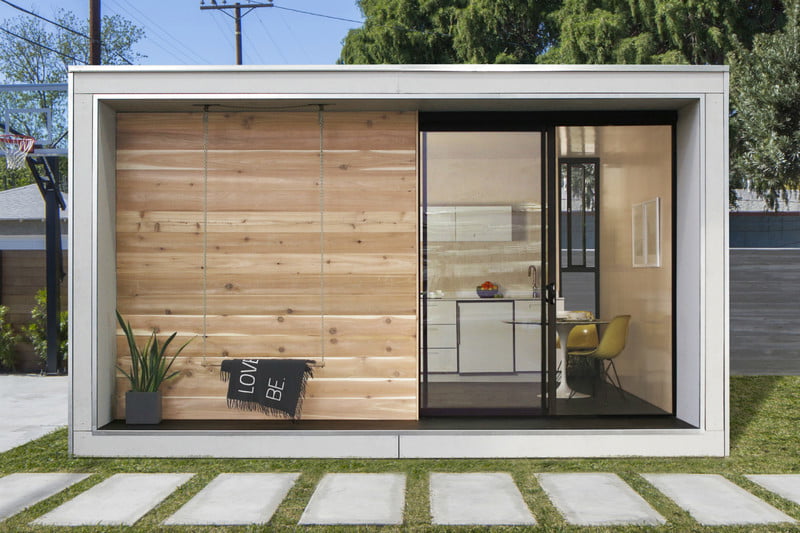
Studio City's split between flat R1 parcels and sloped RE hillside lots means there's no single ADU configuration that fits every property. Here's how we actually match ADU type to lot conditions in the neighborhood:
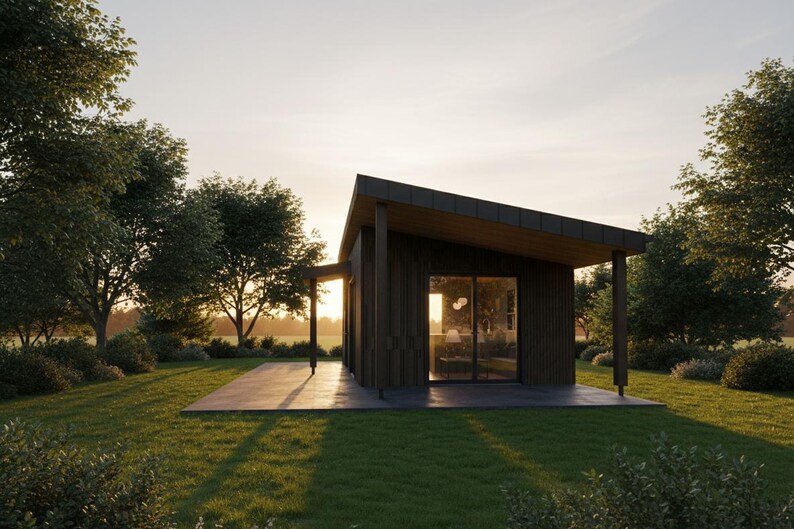
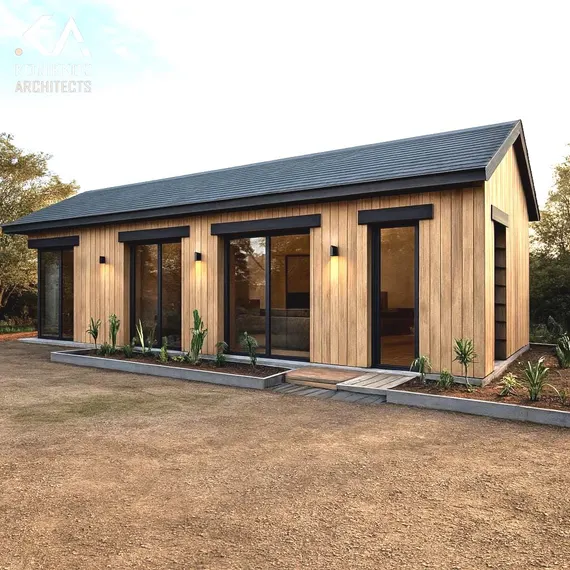
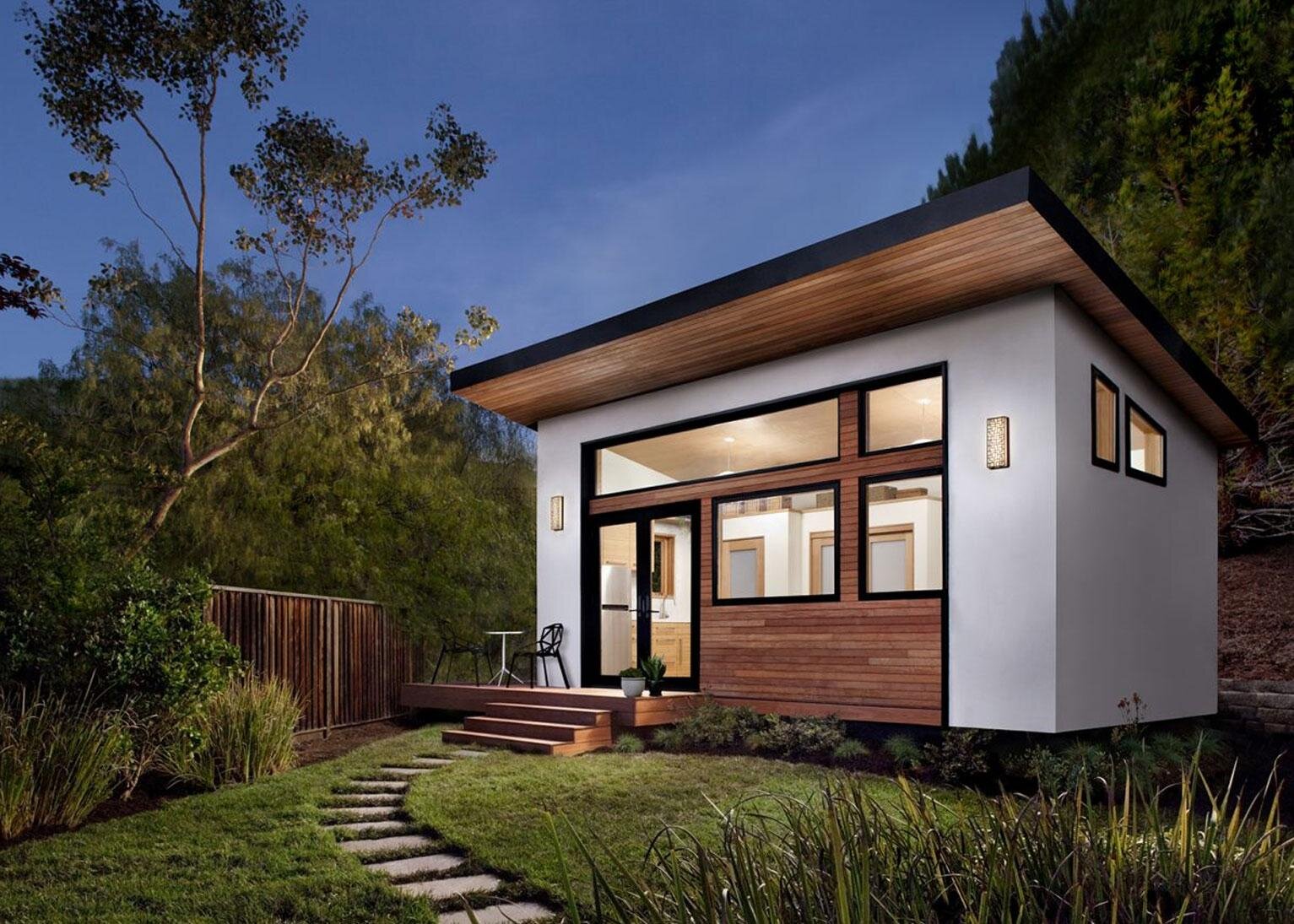
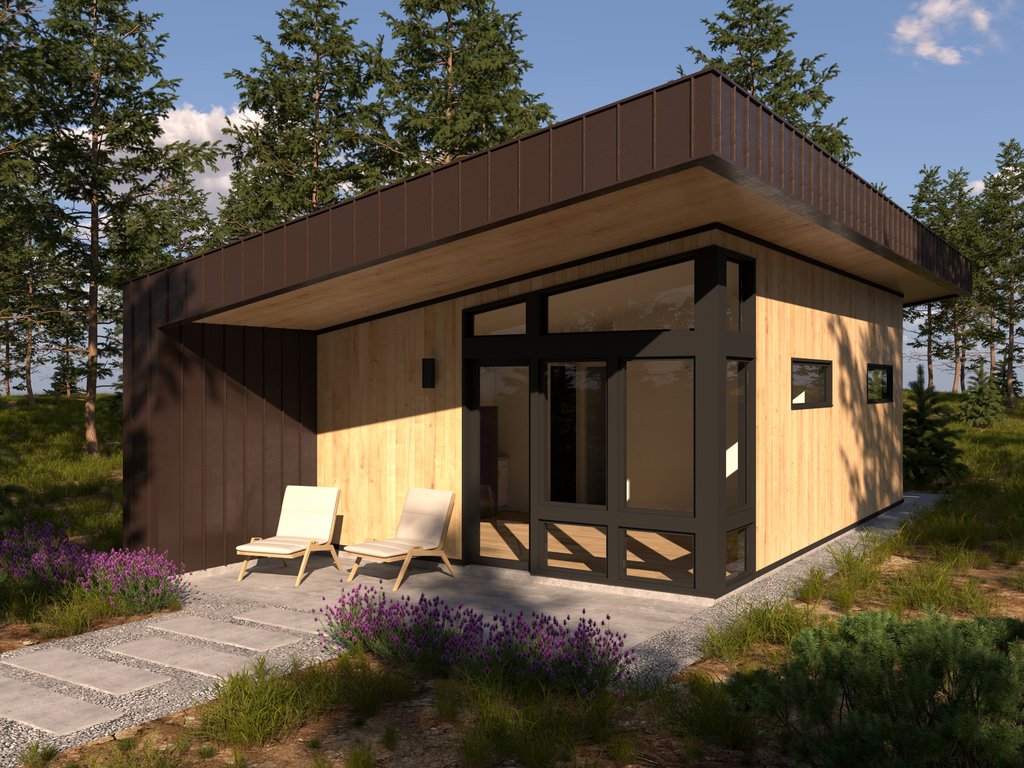
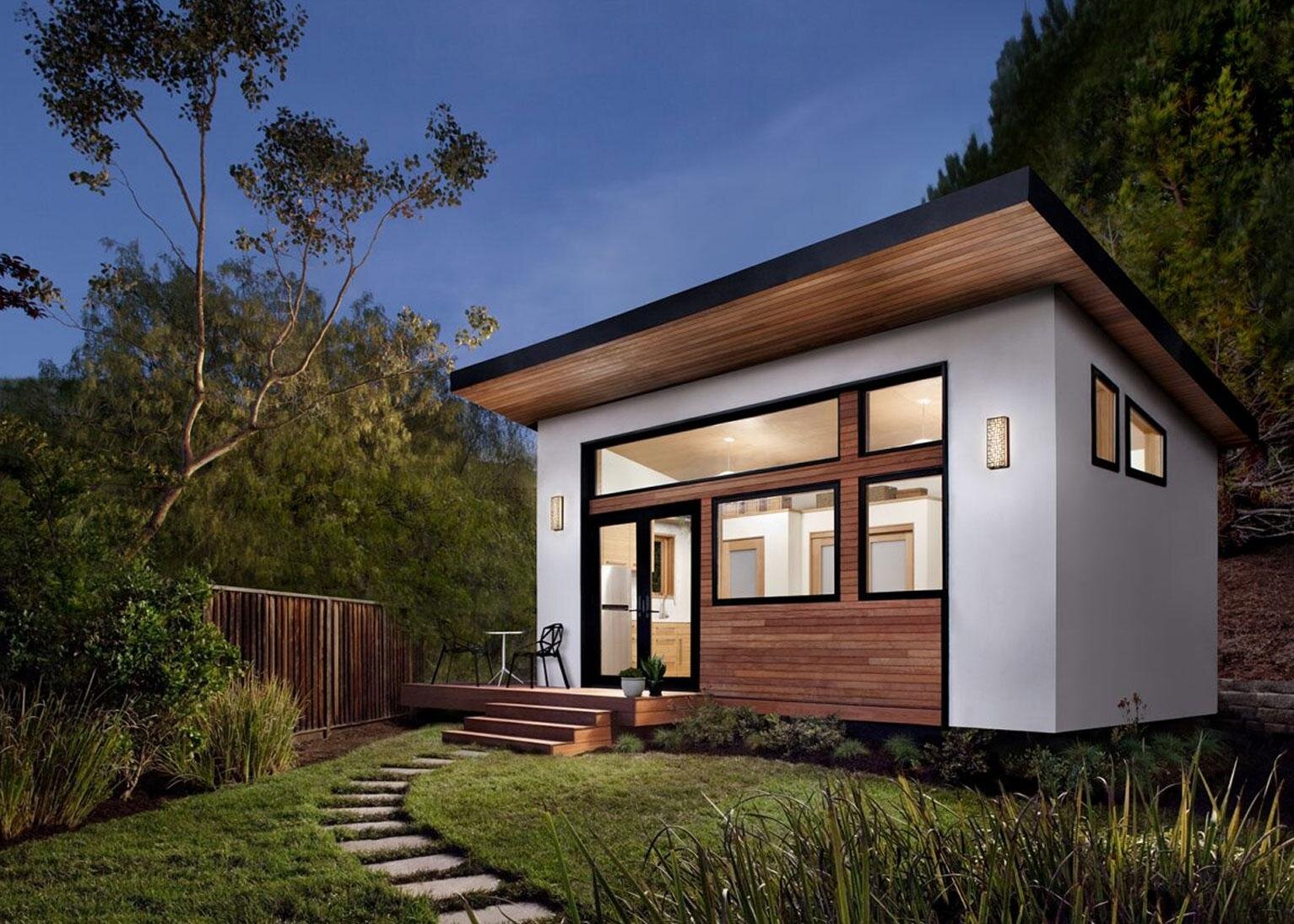
The most common flat-lot configuration when the rear yard has room to spare after pool and landscaping. A freestanding 800 to 1,200 square-foot ADU offers the most design flexibility, the cleanest separation between main home and secondary unit, and the strongest long-term value. Many Studio City families build detached ADUs as home recording studios, editing bays, or creative workspaces rather than strictly for rental income, given how many entertainment-industry households live in the neighborhood.
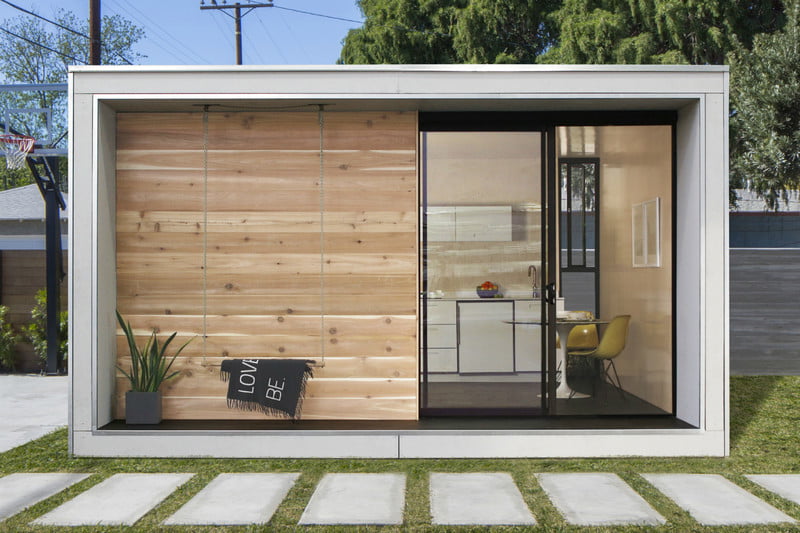
A strong fit for the many older Studio City properties with detached garages that aren't serving much day-to-day purpose. State law allows garage-to-ADU conversions with no required setback from the existing footprint, which makes them among the fastest ADU types to permit. We check for structural issues, foundation condition, and drainage before committing to a conversion path — older single-wall-framed garages in the pre-war streets sometimes need more reinforcement than the permit drawings initially suggest.
Useful on tighter R1 lots where rear-yard ground area is already spoken for by pool, landscaping, or setback constraints. Los Angeles allows ADUs above a garage with setbacks of no more than five feet from side and rear lot lines. Common choice on denser Studio City blocks east of Laurel Canyon.
Fryman Canyon, Laurel Canyon, and Coldwater Canyon hillside lots often support a detached ADU, but the engineering side matters more than on flat parcels. Caissons or spread footings sized to slope, adequate access for concrete trucks and crane placement on narrow canyon streets, and drainage to protect both the main home and anything downhill — these are the details that separate hillside ADUs that actually get built from hillside ADUs that stall in plan check.
A JADU is carved out of the existing primary home — up to 500 square feet — and fits best when a detached ADU isn't realistic or the homeowner only needs a small additional unit. JADUs continue to have owner-occupancy requirements under state law. Often paired with a broader home remodeling project when the main Studio City ranch is already being reworked into a modern-farmhouse or transitional update.
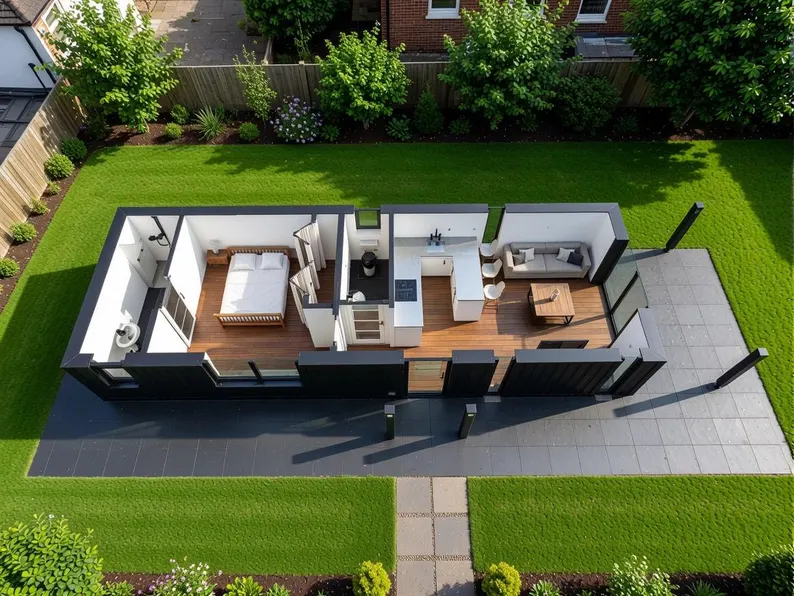
A realistic Studio City ADU timeline from first site visit to certificate of occupancy is roughly 6 to 12 months. Permits move on the state-mandated 15-day / 60-day schedule when plans are submitted correctly; hillside lots in the canyons, any CC&R or neighborhood review, and lots requiring utility upgrades add time. Construction itself runs 3 to 6 months for most detached builds once ground is broken.
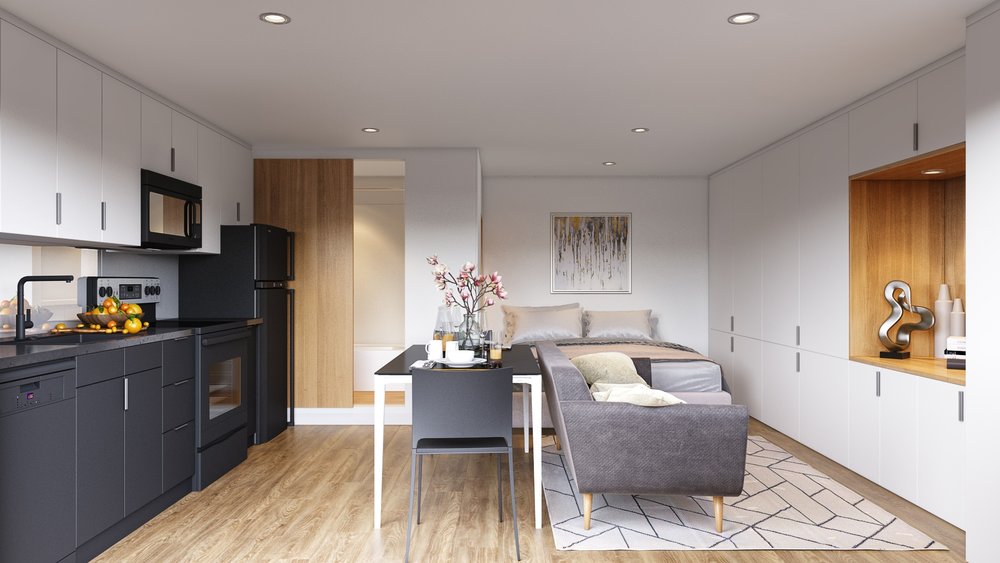
Studio City's buyer profile skews toward higher finish levels than the average LA ADU, driven in part by the entertainment-industry presence in the neighborhood — hardwood floors, stone or quartz counters, higher-spec cabinetry, and architectural details that tie into a remodeled main home. ADUs configured as creative workspaces add acoustic and AV-specific scope (sound-rated assemblies, dedicated subpanel, clean AV wiring) that raises cost per square foot further. Our cost and ROI guide for building an ADU in Los Angeles breaks down the numbers and the variables that move them the most.
What we commit to on every Studio City project: a written scope, a clear price, no surprise change orders unless construction uncovers something that genuinely requires one, and direct access to your project manager from kickoff through final walkthrough. The full ADU construction process is covered step-by-step in our construction guide.
Working on a neighboring project and want to compare notes? See our Sherman Oaks ADU page and Encino ADU page for the same framework applied to adjacent neighborhoods.
Lior was such a pleasure to work with for our guest house remodel. He was so easy to get in touch with, incredibly responsive and finished the job early.
— Amy Christine, February 2019Lior is very personable and has many decades of construction experience. We appreciated his sincere evaluation of our project.
— Ann Anterasian, April 2019Studio City is almost entirely R1 zoning with a 5,000 square-foot minimum lot, with the main exception being RE-zoned hillside parcels climbing up Fryman Canyon, Laurel Canyon, and Coldwater Canyon. Flat lots south of Ventura and across the Colfax Meadows flats north of Ventura typically run 6,000 to 8,500 square feet — tighter than Sherman Oaks's spread and noticeably tighter than Encino's RE zones. That still supports a 1,000 to 1,200 square-foot detached ADU with four-foot setbacks, but the existing pool, garage, and mature trees usually drive siting more than zoning does. Hillside RE lots above Mulholland-facing slopes offer more design room but bring engineering cost back in through foundations.
Yes. These hillside areas sit within the LA Baseline Hillside Ordinance, which adds height, grading, cut/fill, and export-dirt rules on top of standard ADU requirements. Caisson or spread-footing foundations sized to slope and soil conditions, construction vehicle access up narrow canyon streets, and drainage planning to protect both the main house and anything downhill are the parts that separate hillside ADUs that break ground from ones that get stuck in plan check. We walk every hillside lot before quoting so the engineering and access cost are priced into the scope from day one.
Studio City has fewer formal HOAs than Sherman Oaks. The Colfax Meadows Neighborhood Association operates as an active community organization rather than a strict HOA — it advocates on zoning and land-use matters but does not have formal architectural-review veto power over an individual ADU. Some small gated streets and older tract pockets have CC&Rs that govern exterior choices, and hillside enclaves above Laurel Canyon may carry informal restrictions baked into the neighborhood. Across most of Studio City the only design gatekeeper is the city. Where a CC&R or HOA does apply, we handle the review submission alongside the city permit so both tracks run in parallel.
Yes, in practical ways. Studio City's proximity to Universal, Warner Bros., Disney, NBC, and CBS draws a buyer profile that often wants an ADU configured as a working space rather than just rental income — a home recording studio, editing bay, writing room, or full creative office with acoustic isolation and dedicated AV wiring. That changes framing (double-stud walls, resilient channel, sound-rated doors), HVAC (quiet equipment, acoustic duct detailing), and the electrical scope (dedicated subpanel, extra circuits, clean power for AV gear). We ask up front whether the ADU is primarily residential, primarily a creative workspace, or both, so the build matches the real use.
State law removes any ADU parking requirement for lots within a half-mile walking distance of public transit. The Ventura Boulevard corridor through Studio City — from Sportsmen's Lodge on the east through Tujunga Village and across Laurel Canyon to Coldwater Canyon — carries Metro Bus coverage, which means most flat lots south of Ventura and many lots across Colfax Meadows fall inside that buffer. Hillside lots above the half-mile radius require one parking space per unit or bedroom, and tandem parking on the existing driveway counts. We confirm each Studio City address against the LADBS transit map at the first site visit.
Yes, and it is a common Studio City scope right now. Many original post-war ranch homes in the flat neighborhoods are getting their first meaningful update to a modern-farmhouse, transitional, or full-contemporary exterior, and the same project often adds a detached ADU at the rear of the lot. Running the main-home remodel and the ADU as a single coordinated project keeps one crew across both builds, consolidates permit coordination, reduces repeat site-mobilization cost, and typically finishes both faster than running them back-to-back.