Signs You Hired the Wrong Contractor for a Complete Remodeling in Encino
A complete remodeling touches every system in the house—plumbing, electrical, framing, finishes—and in Encino's mix of hillside lots and older ranch homes, the contractor you choose sets the tone for months of work. When the wrong general contractor lands the job, small missteps compound into permit delays, cost overruns, and finish quality that doesn't match the neighborhood standard. Recognizing the warning signs early gives you a chance to course-correct before the foundation is poured or the first wall comes down.

What 'Wrong Contractor' Actually Means in Encino
Encino sits in a pocket where hillside grading rules, older electrical panels, and HOA design review all intersect. A contractor who thrives in flat-lot new construction may stumble when the property slopes fifteen feet from street to rear yard, or when the existing service is a Federal Pacific panel that needs replacement before any load is added. The wrong contractor isn't necessarily unlicensed or dishonest—often it's a mismatch of experience. They quote the job without walking the attic to see knob-and-tube wiring, or they promise a streamlined permit process without checking whether the neighborhood falls under an HPOZ overlay. When the LADBS plan check comes back with corrections, the project stalls and the homeowner absorbs the delay.
Experienced contractors know that a complete home remodeling in Encino means coordinating Title 24 energy compliance, soils reports if you're adding square footage on a slope, and often a separate LADWP service upgrade. They budget time for these steps in the schedule and explain them during the walkthrough. A contractor who glosses over permit requirements or suggests ways to avoid formal review is advertising inexperience, not efficiency. The city's correction notices don't vanish because someone hoped they wouldn't apply.
The Estimate Arrives Too Fast
A thorough estimate for a whole-house remodel requires measuring every room, photographing existing conditions, noting the panel amperage, checking crawl-space access, and asking about prior alterations not on the property's permit record. That process takes a few hours on-site, then another day or two to price materials, coordinate subcontractor bids, and draft a scope document. When a contractor emails a number the same afternoon after a twenty-minute walk-through, the estimate is built on assumptions, not measurements. Those assumptions become change orders once framing opens and the real conditions appear—galvanized supply lines that need replacement, ceiling joists that sag, or a foundation crack that wasn't visible under carpet.

Hillstar's process includes a detailed site visit, photos uploaded to the project file, and a written scope that lists each phase of work. The estimate reflects what we actually see, not what we hope to find. Homeowners who compare a fast verbal quote against a documented walk-through often realize the lower number omitted entire systems. Speed in estimating usually means gaps in planning, and gaps in planning become disputes when the invoice arrives.
Permit Talk Is Vague or Dismissive
LADBS requires permits for structural changes, electrical panel upgrades, plumbing reroutes, and any addition of square footage. A contractor who says the permit is 'no big deal' or 'we'll handle it' without explaining the submittal timeline, plan-check corrections, or inspection sequence is either unfamiliar with the process or planning to work outside the permitted scope. Both scenarios end badly. The city can issue a stop-work order, require demolition of completed work, and levy fines that the homeowner ultimately pays. Insurance claims for unpermitted work are routinely denied, and when you sell the property, title companies flag discrepancies between the assessor's record and the actual square footage.
A contractor experienced in Los Angeles remodeling walks you through the permit application, shows you the approved plans before framing starts, and schedules inspections at each milestone—foundation, framing, rough plumbing, rough electrical, insulation, final. They explain that corrections are normal and that the inspector's notes guide the next phase of work. Transparency around permits signals that the contractor has done this before and knows the city's expectations. Vagueness signals the opposite.
Communication Drops After the Contract Is Signed
Before you sign, the contractor answers calls, sends detailed emails, and schedules multiple walkthroughs. After the deposit clears, responses slow to a trickle. This pattern is the clearest red flag. A general contractor manages a dozen moving parts—subcontractor schedules, material deliveries, inspection appointments, design decisions—and the homeowner needs real-time updates when any of those parts shift. When the electrician finds a panel that can't support the new load, you need to know that day, not two weeks later when the framing inspection fails.
- Daily or weekly progress photos sent via text or email
- A shared calendar showing inspection dates and subcontractor arrivals
- A point person who answers questions within a business day
- Proactive updates when delays occur, with revised timelines
Hillstar uses a project portal where homeowners see photos, invoices, and schedule updates in one place. The superintendent visits the site daily and logs observations. When a material is backordered or an inspection is rescheduled, the homeowner hears about it immediately. Organized communication prevents the surprises that turn a remodel into a nightmare. Contractors who go silent after signing are either juggling too many jobs or lack the systems to manage information flow. Either way, the homeowner loses visibility into their own project.
Subcontractors Rotate Frequently or Disappear Mid-Job
A general contractor builds relationships with reliable plumbers, electricians, framers, and finish carpenters. Those subs show up on schedule, do clean work, and return for corrections without argument. When you see a different crew every week—or the same crew vanishes for days with no explanation—the GC is either not paying on time or burning through subcontractors who won't work for them twice. Both scenarios predict trouble. Unpaid subs can file mechanics liens against your property, even if you've paid the general contractor in full. Inconsistent crews produce inconsistent quality, because no one takes ownership of the details.

Ask the contractor during the estimate phase how long they've worked with their key subs. A vague answer or a claim that they 'use whoever's available' suggests a transactional relationship, not a partnership. Experienced contractors protect their sub relationships because those subs are the ones doing the actual work. When a kitchen remodeling project runs smoothly, it's because the plumber, electrician, tile setter, and cabinet installer have worked together before and know the sequence. When it doesn't, it's often because the subs are strangers to each other and to the GC.
Material Selections Are Rushed or Presented Without Context
A complete remodeling involves hundreds of material decisions—tile, countertops, fixtures, paint, flooring, hardware. A good contractor schedules selection meetings early, provides samples, explains lead times, and flags items that require long ordering windows. A contractor who rushes selections or presents a single option without alternatives is either trying to control markup or hasn't planned the procurement timeline. When the homeowner later discovers that the tile they chose is backordered or that the faucet doesn't fit the sink rough-in, the project halts while substitutions are sourced.
Hillstar's process includes a material selection phase before demolition starts. We bring samples to the property, show how finishes look in the actual light, and provide spec sheets with dimensions and installation requirements. The homeowner sees the full range of options within the budget, and we confirm availability before ordering. This front-loaded planning prevents the mid-project scrambles that blow schedules and budgets. Contractors who skip this step are betting that the homeowner won't notice until it's too late to change direction without cost.
The Contract Lacks Detail or Includes Broad Exclusions
A remodeling contract should list every phase of work, specify materials by brand and model where possible, outline the payment schedule tied to milestones, and define what happens if unforeseen conditions arise. A one-page agreement with a lump sum and a handshake is an invitation to dispute. Broad exclusions—'homeowner responsible for all permits and fees,' 'unforeseen conditions billed as encountered,' 'allowances subject to change'—shift risk entirely onto the homeowner and give the contractor unlimited room to add costs. California law requires contractors to provide a detailed scope and a right-to-cancel period. A contractor who resists putting the scope in writing is planning to redefine it later.
- Line-item breakdown of labor and materials for each trade
- Payment schedule tied to inspections or completed phases, not calendar dates
- Clear process for change orders, including written approval before work proceeds
- Warranty terms for workmanship and materials, with duration specified
- Dispute resolution clause and license number prominently displayed
Hillstar's contracts run multiple pages because we list what we're doing and what we're not doing. The homeowner knows exactly what the number covers, and if something changes—an unexpected beam replacement, a decision to upgrade fixtures—we document it in a signed change order before the work starts. This level of detail protects both parties. Contractors who avoid detail are preserving flexibility to reinterpret the agreement when it benefits them.

References Are Generic or Nonexistent
Every contractor claims satisfied clients. The question is whether they'll provide names and phone numbers so you can verify. A contractor with a solid track record hands over a list of recent projects—addresses if the homeowner consents, phone numbers, and permission to visit completed work. They don't hesitate because they know the references will be positive. A contractor who offers only first names, says past clients are 'too busy,' or provides references that sound scripted is hiding something. Either the work quality didn't hold up, the project went over budget, or the relationship ended in conflict.
When you call references, ask specific questions: Did the project finish on the timeline discussed? Were there surprise costs, and if so, how were they handled? Did the contractor return for warranty items? Would you hire them again? The answers reveal patterns. One difficult project can happen to anyone; a pattern of cost overruns or communication failures is a character trait. Hillstar provides references for every type of project we do—bathroom remodeling, additions, whole-house remodels—because we know the conversations will confirm what we've told you. Contractors who avoid this step are hoping you won't dig deeper.
Insurance and Licensing Documentation Is Delayed or Incomplete
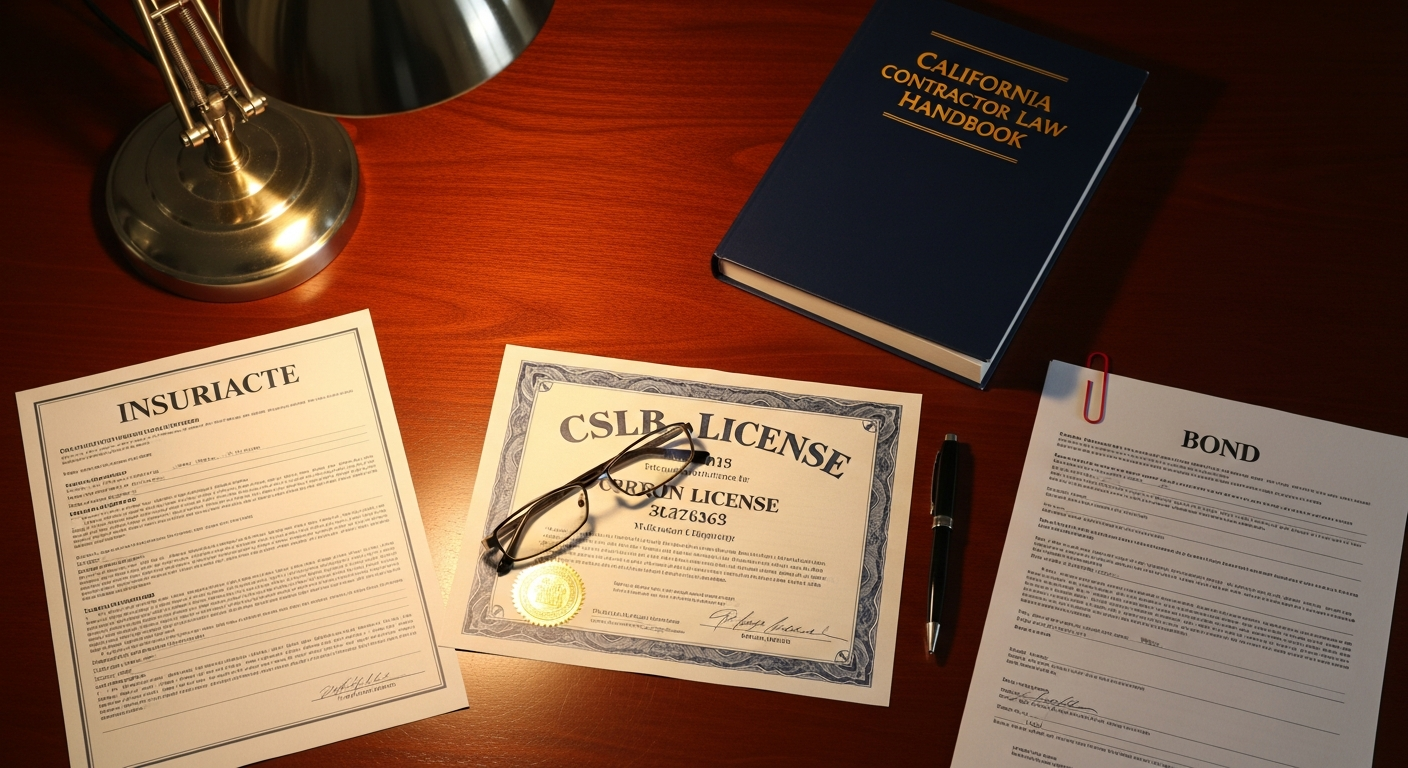
California requires general contractors to carry workers' compensation insurance and general liability coverage. The CSLB license must be active and in good standing, with no outstanding disciplinary actions. A legitimate contractor provides a certificate of insurance naming you as additional insured, a copy of the license, and a bond number within a day of request. A contractor who stalls, says the paperwork is 'in process,' or provides an expired certificate is either uninsured or working under someone else's license. Both scenarios leave you liable if a worker is injured on your property or if the work damages a neighbor's foundation.
Verify the license number on the CSLB website before signing anything. Check the issue date, the classification (B General Building is the correct license for whole-house remodeling), and the complaint history. A license issued recently or a string of unresolved complaints are both red flags. Insurance certificates should come directly from the carrier, not a photocopy the contractor printed. Hillstar's license and insurance are current and available for review at any time, because we know homeowners have a right to verify before they commit. Contractors who make this difficult are usually hiding a gap in coverage.
What to Ask Before You Sign
The estimate meeting is your chance to probe. Ask how the contractor plans to handle LADBS inspections, who the point of contact will be during construction, and what happens if the project uncovers conditions that weren't visible during the walkthrough. Ask for a sample contract and a list of recent projects in Encino or nearby neighborhoods. Ask whether they pull permits in-house or use an expediter, and how they coordinate Title 24 compliance for energy code. Ask how they handle material procurement and whether allowances are included in the estimate. A contractor who answers these questions clearly and without defensiveness has done the work before. A contractor who deflects or provides vague reassurances is improvising.
Trust your instinct during these conversations. If the contractor interrupts, dismisses your concerns, or pressures you to sign quickly, that behavior will intensify once the project starts. A complete remodeling is a months-long relationship, and the contractor's demeanor during the sales process is the best predictor of how they'll behave when problems arise. Experienced contractors welcome questions because they know their process holds up under scrutiny. Contractors who avoid detail are hoping you won't look too closely until it's too late to walk away.
FAQ
How do I verify a contractor's CSLB license before hiring them for a remodel in Encino?
Visit the CSLB website and enter the license number. Check the issue date, classification (B General Building for whole-house work), bond status, and complaint history. An active license with no unresolved disciplinary actions is the baseline. If the contractor hesitates to provide the number, that's a red flag.
What should I do if my contractor stops communicating after I've signed the contract?
Document every attempt to reach them—texts, emails, calls—and send a written notice via certified mail outlining your concerns and requesting a response within a specific timeframe. If communication doesn't resume, consult an attorney and file a complaint with the CSLB. The longer you wait, the harder it becomes to recover your position.
Can a contractor in Los Angeles start a complete remodeling without pulling permits?
No. LADBS requires permits for structural, electrical, plumbing, and mechanical work. A contractor who suggests working outside the permitted scope is exposing you to fines, stop-work orders, and insurance claim denials. Legitimate contractors pull permits as part of the standard process and schedule inspections at each phase.
What's a reasonable payment schedule for a whole-house remodel in Encino?
Payments should tie to completed milestones—permit issuance, rough framing inspection, rough plumbing and electrical sign-off, drywall and insulation, final inspection—not calendar dates. A large upfront deposit before any work starts is a warning sign. The final payment should be held until all inspections pass and punch-list items are complete.