Designing, permitting, and building detached ADUs, garage conversions, and Junior ADUs for Calabasas homeowners — built to Chapter 7A fire standards and Calabasas Hillside Management rules. CSLB License #972213.
Hillstar Construction is a licensed Calabasas ADU contractor. Our office is on Ventura Boulevard in neighboring Woodland Hills — a short drive from Calabasas Park, Calabasas Highlands, Mountain View Estates, Saratoga Hills, and Mulwood. We've built detached ADUs, garage-conversion ADUs, above-garage units, and Junior ADUs (JADUs) across the West Valley, with a focus on the specific realities Calabasas lots bring: larger estate parcels, Hillside Management Area review, and Very High Fire Hazard Severity Zone compliance under Chapter 7A of the California Building Code.
Every project starts with a free on-site consultation, a clear written scope, and a straight answer about what your lot can actually support.
★★★★★ 5.0 · 17 reviews on Houzz
24-Hour Response · Licensed & Insured (CSLB #972213)
Calabasas ADUs are not just scaled-down houses. They touch Calabasas zoning, Hillside Management Area review, Wildland-Urban Interface fire requirements, scenic-corridor rules along Las Virgenes and Mulholland, and utility service through Las Virgenes Municipal Water District. A contractor from outside the area tends to run the LA-city playbook and then lose three months in plan check when the project hits a Calabasas-specific standard that was never accounted for.
Our office sits ten minutes from Calabasas City Hall. We know the RS and RE single-family zones that dominate Calabasas Park and the Mulwood flats, we know where the HMA overlays kick in on the Highlands and Saratoga Hills slopes, and we build ADUs to the Chapter 7A ignition-resistant standard from the first drawing — because that's what Calabasas plan check will require.
When a detached ADU isn't the right fit for the lot — because of hillside buildable area or fire-zone setbacks — a home addition can often deliver the bedroom and bath you need without triggering a full ADU scope.
ADU rules are set by California state law plus the City of Calabasas Municipal Code. The baseline rules below apply to virtually every Calabasas lot. The specific envelope on your property depends on zoning, Hillside Management Area status, fire-zone classification, and existing structures — which is what the first site visit covers.
State law requires Calabasas to allow a detached ADU of at least 850 square feet for a studio or one-bedroom, or at least 1,000 square feet for two or more bedrooms. Calabasas permits detached ADUs up to 1,200 square feet. Because Calabasas parcels tend to be larger than typical LA-area lots, the full 1,200-square-foot envelope is usually realistic on flat buildable area.
State law limits required side and rear setbacks to no more than four feet for a new detached or attached ADU. No setback is required where you convert an existing garage to an ADU in its existing footprint.
Most of Calabasas sits inside a Very High Fire Hazard Severity Zone. ADUs must be built with ignition-resistant siding and soffits, dual-pane tempered or multi-pane glazing, ember-resistant attic and foundation vents, a Class A roof assembly, and compliant defensible-space clearance on the surrounding property. These are code, not upgrades.
Sloped parcels in Calabasas Highlands, Mountain View Estates, Saratoga Hills, and along the Mulholland corridor fall under the Calabasas HMA. HMA adds height, grading, and design-review requirements on top of the standard ADU rules. Hillside ADUs take longer to design and permit but remain buildable on most qualifying lots.
Calabasas issues ADU permits through the City of Calabasas Community Development Department — not LADBS. State law requires the city to determine application completeness within 15 business days and to approve or deny a complete ADU application within 60 days. The Los Angeles area permit guide explains the broader permit flow.
Calabasas parcels are larger and more varied than most LA neighborhoods — from half-acre estate lots in Calabasas Park to steep hillside parcels in the Highlands and Saratoga Hills. No single ADU configuration fits every property. Here's how we match ADU type to lot in practice:
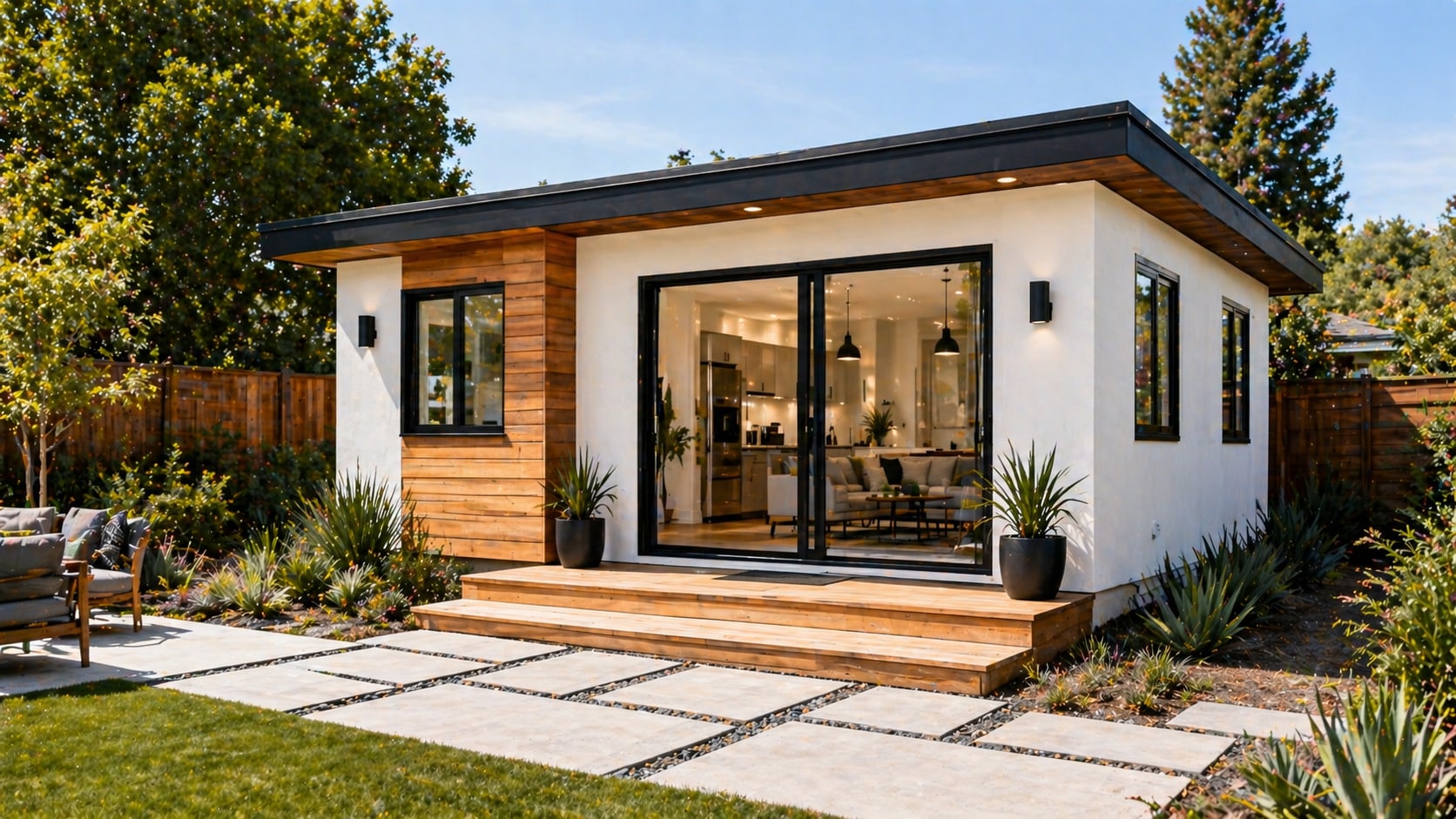
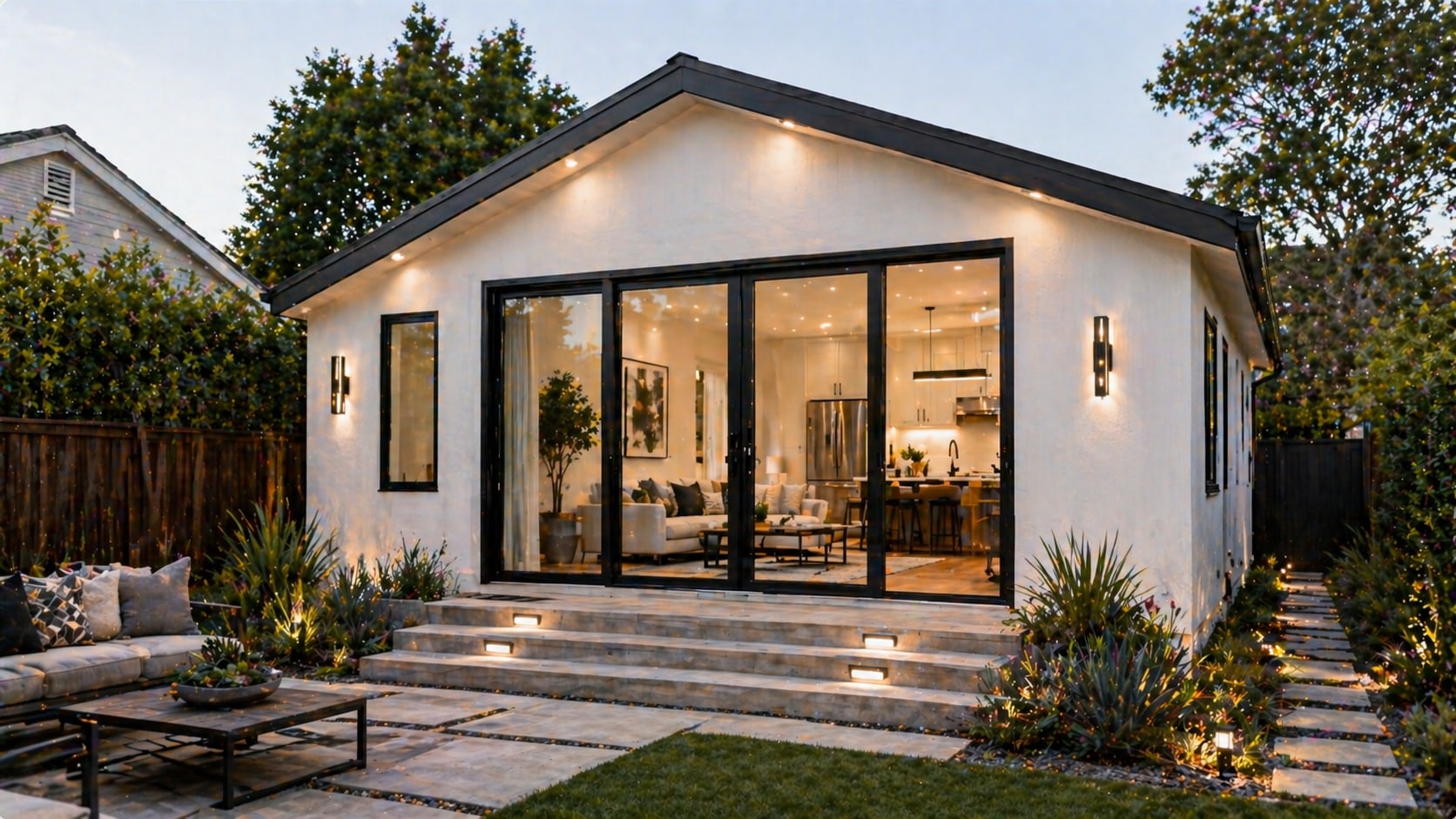
The most common Calabasas configuration. Works best on flat or gently sloped lots with enough buildable area to place an 800–1,200 square-foot structure with state-minimum setbacks and Chapter 7A fire-zone clearance. Offers the most design flexibility and the highest long-term value, whether used as a guest house, a home office, or rental income.
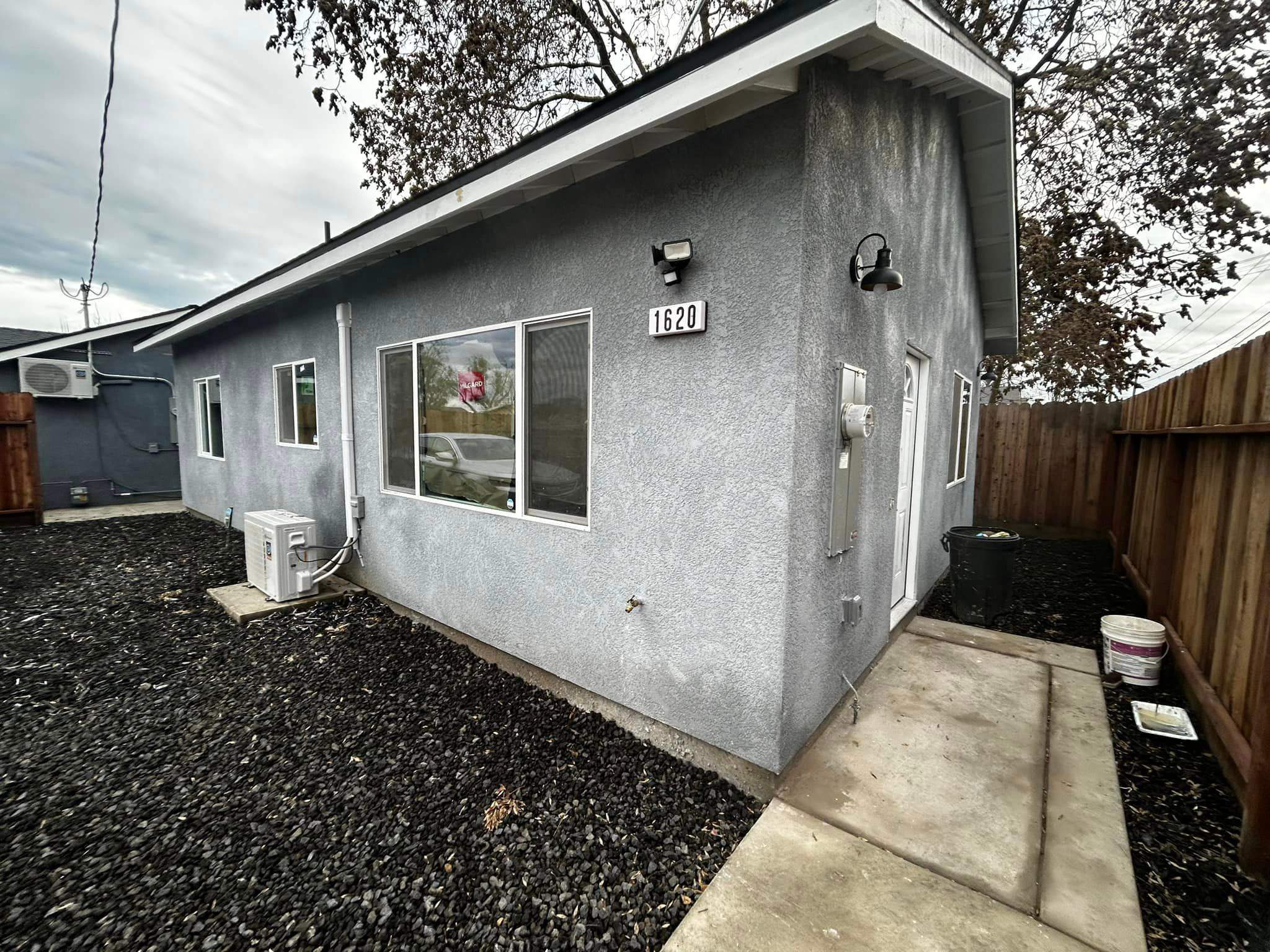
A practical option on older Calabasas properties with detached garages that aren't being used as parking. State law allows garage-to-ADU conversions with no required setback from the existing structure's footprint, which shortens permit time. We verify foundation, drainage, and structural condition first — older hillside garages sometimes need reinforcement to carry habitable-use loads.
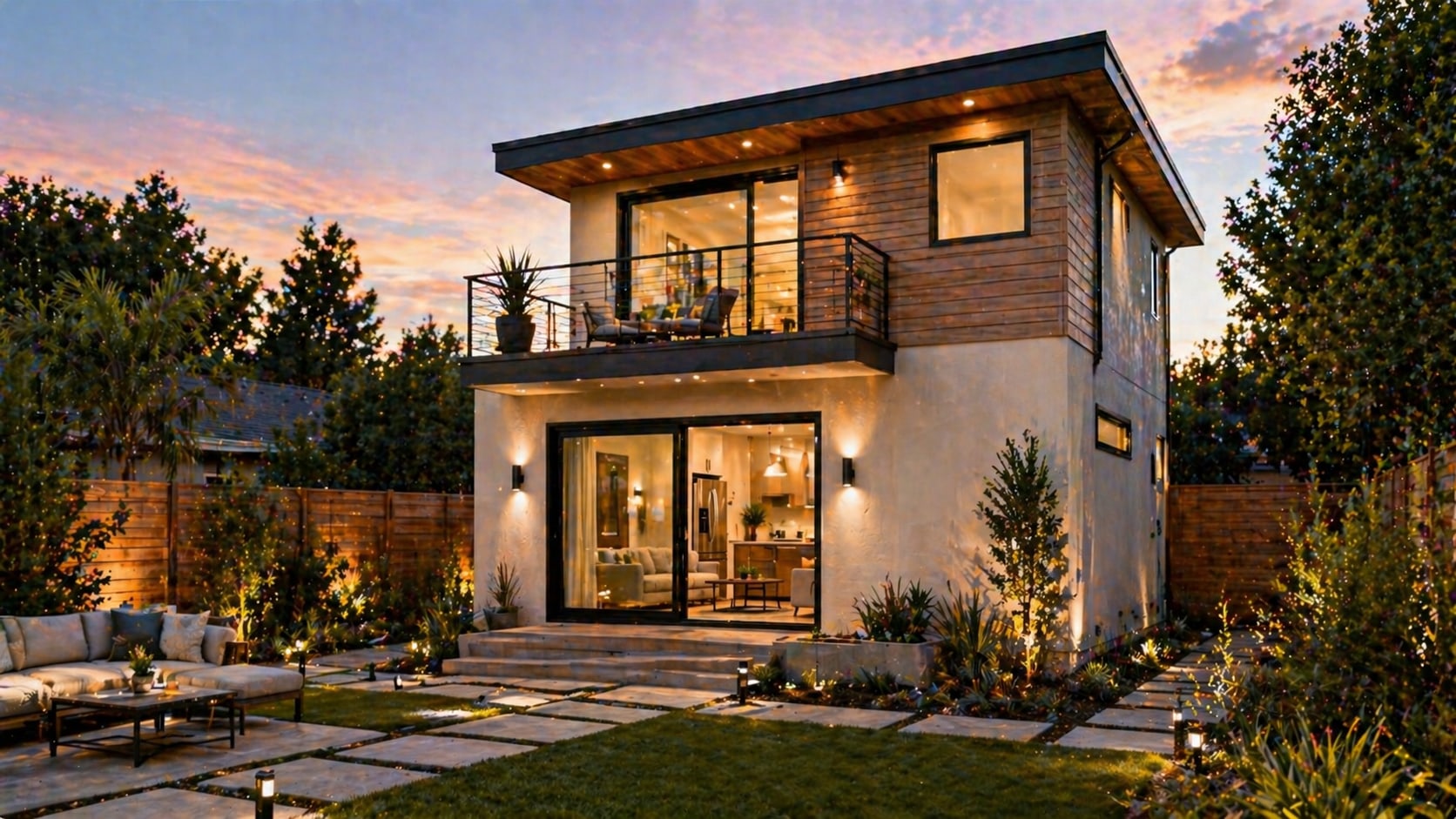
Useful on narrower Calabasas lots, or where the owner prefers to preserve rear-yard space. Calabasas allows ADUs above an existing or new garage subject to state setback and height rules, plus HMA design review if the lot is hillside-classified.
A JADU is carved out of the existing primary home — up to 500 square feet — with its own entrance and efficiency kitchen. Useful where a detached ADU isn't realistic due to HMA buildable-area limits or fire-zone setbacks. JADUs continue to have owner-occupancy requirements under state law. Often paired with a broader home remodeling project when the main house is already being reworked.
A realistic Calabasas ADU timeline from first site visit to certificate of occupancy is roughly 7 to 14 months. Hillside Management Area review and Chapter 7A plan-check detailing add time versus a flat-lot build on a non-fire-zone parcel. Once permits are issued, construction typically runs 4 to 7 months for a detached build, a little shorter for garage conversions.
Cost depends on ADU type, finishes, site conditions, HMA requirements, and Chapter 7A fire-zone materials. Our cost and ROI guide for building an ADU in Los Angeles lays out the numbers, and Calabasas projects generally sit at or above the top of those LA-county ranges because of the larger building envelopes and fire-zone requirements. What we commit to on every Calabasas project is a written scope, a clear price, no surprise change orders unless something is actually uncovered during construction, and direct access to your project manager from kickoff through final inspection.
The full ADU construction process — site evaluation, design, permit submission, build, final inspection — is covered step-by-step in our construction guide.
Hillstar was great! We did a garage conversion and Lior was the best. He helped us plan every detail.
— Jeffrey Rhodes, January 2019Lior was such a pleasure to work with for our guest house remodel. He was so easy to get in touch with, incredibly responsive and finished the job early.
— Amy Christine, February 2019Most Calabasas lots qualify. California state law (Government Code §65852.2) requires every city in California to allow at least one ADU on single-family residential lots, and Calabasas is predominantly zoned RS (single-family residential) with pockets of RE and larger estate zoning in the hillside communities. What changes per lot is the type and size of ADU that fits — not whether you can build one. We confirm exact zoning, setbacks, Hillside Management Area status, and fire-zone rules during the first site visit.
No. Calabasas is its own incorporated city and issues ADU permits through the City of Calabasas Community Development Department, not LADBS. The state-law timelines still apply: the city must tell you within 15 business days whether your application is complete and approve or deny a complete ADU application within 60 days. We handle the Community Development submittal, plan-check corrections, and required fire-zone review from first drawing to final inspection.
It can, and on many Calabasas parcels it does. The Calabasas Hillside Management Area (HMA) regulations apply to sloped parcels — especially in Calabasas Highlands, Mountain View Estates, Saratoga Hills, and along the Mulholland corridor — and add height, grading, and design standards on top of standard ADU rules. These projects are more design-intensive but remain permittable. We check hillside classification before quoting scope so you get realistic numbers from day one.
Yes — most of Calabasas sits inside a Very High Fire Hazard Severity Zone (VHFHSZ) and is treated as Wildland-Urban Interface (WUI) under Chapter 7A of the California Building Code. That means the ADU must be built with ignition-resistant exterior materials, dual-pane tempered or multi-pane glazing, ember-resistant vents, Class A roof assemblies, and defensible-space compliance on the surrounding property. These are not optional upgrades — they are required for plan-check approval. We build to Chapter 7A from the first drawing so the project does not stall at inspection.
California state law requires cities to allow a detached ADU of at least 850 square feet (studio or one-bedroom) or 1,000 square feet (two or more bedrooms). Calabasas permits detached ADUs up to 1,200 square feet. Because Calabasas lots tend to be larger than most LA-area parcels — often half-acre to full-acre estate lots — the full 1,200 square feet is usually achievable, and some projects can go larger under state size-exception rules. Hillside buildable area and fire-zone setbacks set the realistic envelope, which we scope at the first site visit.
Often, no. California state law waives ADU parking requirements for any lot within a half-mile walking distance of public transit, and waives replacement parking when an existing garage is converted to an ADU. Where parking is required, it is capped at one space per unit or bedroom, and it can be tandem on your existing driveway. Parking tends to be a non-issue on most Calabasas lots given the lot sizes and driveway length, but we confirm the specific rule that applies during scoping.
We also serve homeowners in communities near Calabasas — tap a nearby area for local details:
Woodland Hills · Tarzana · Pasadena · Los Angeles (citywide)
We handle more than one project type in Calabasas. Explore related services for your neighborhood: