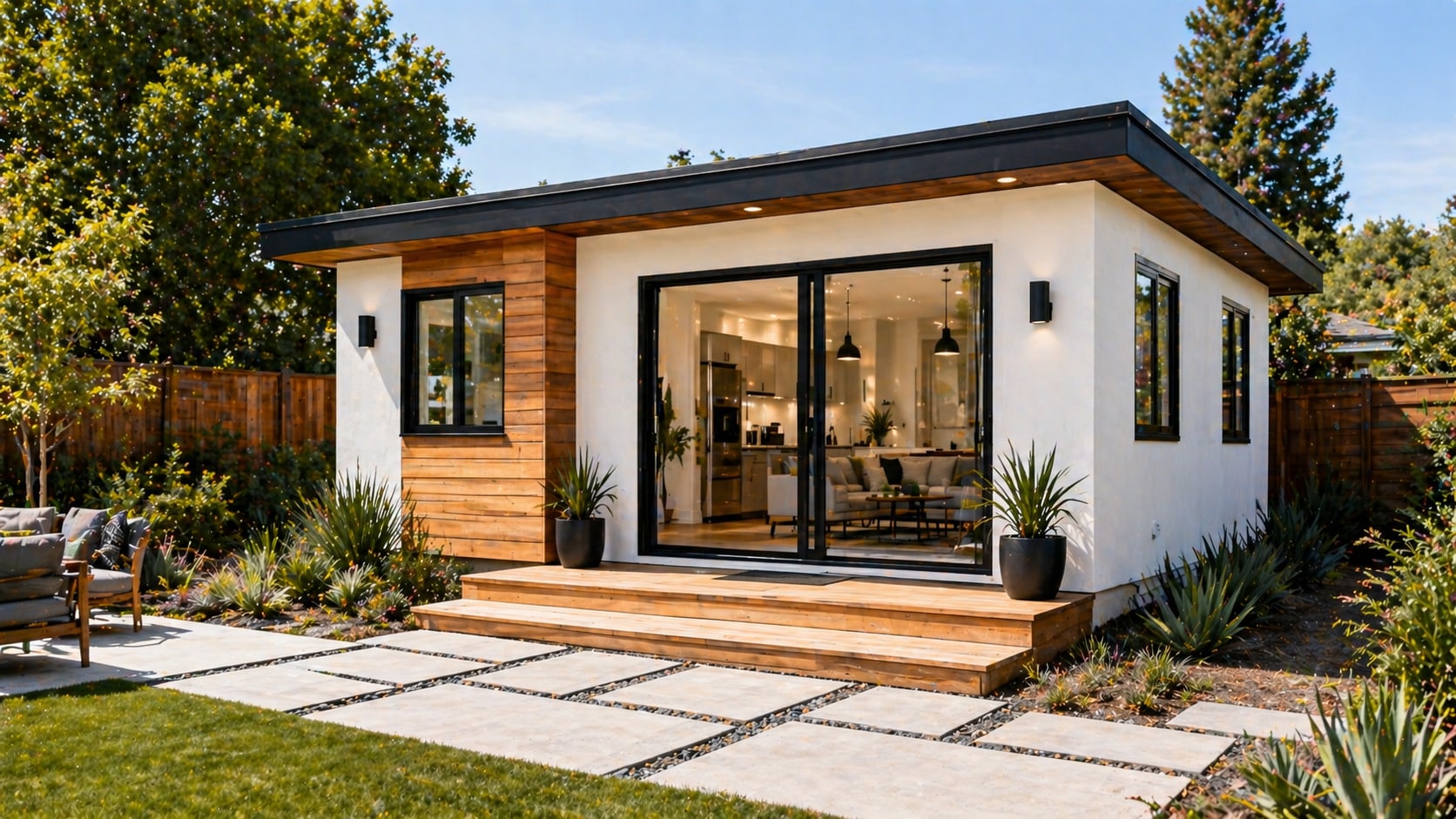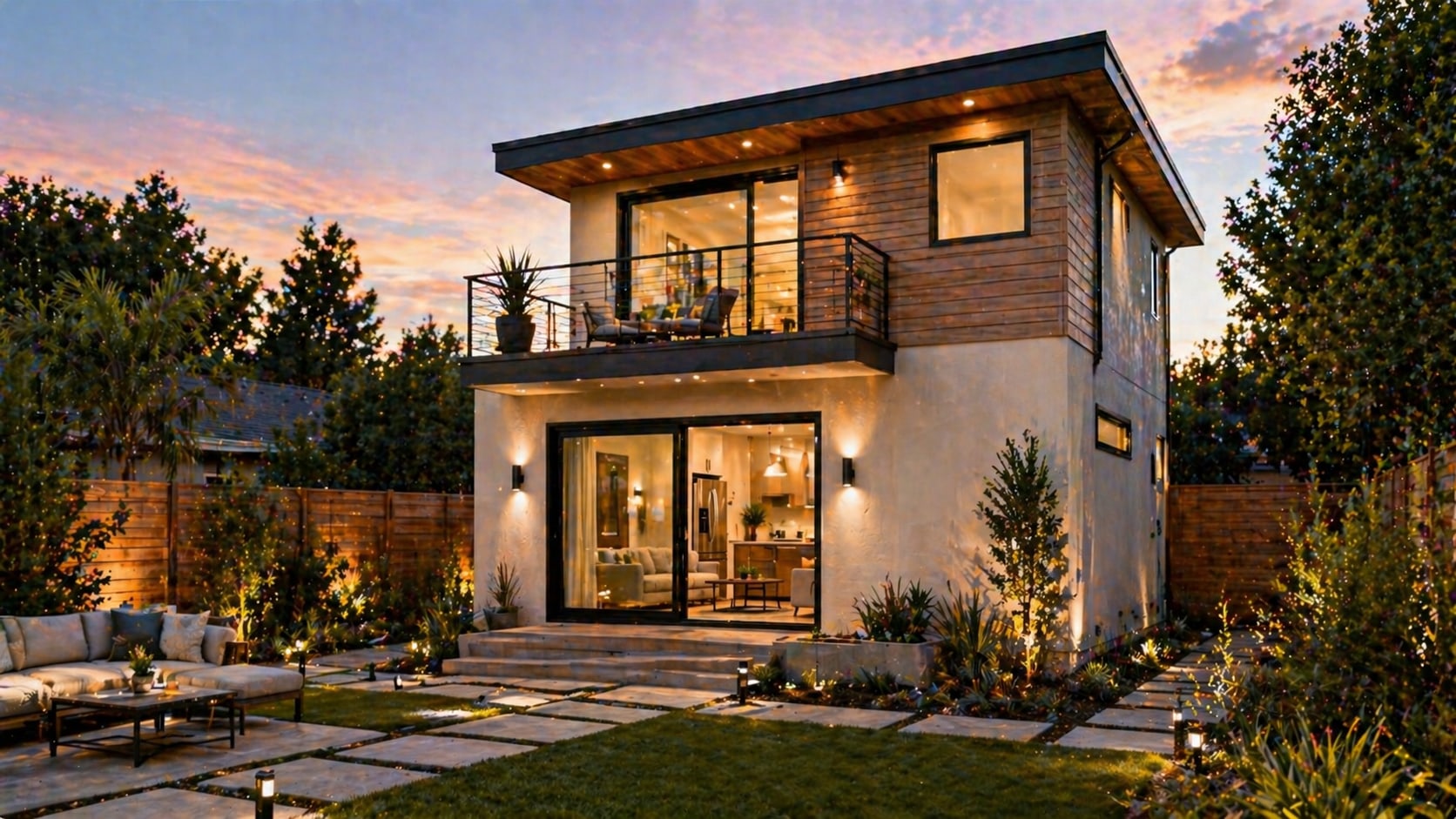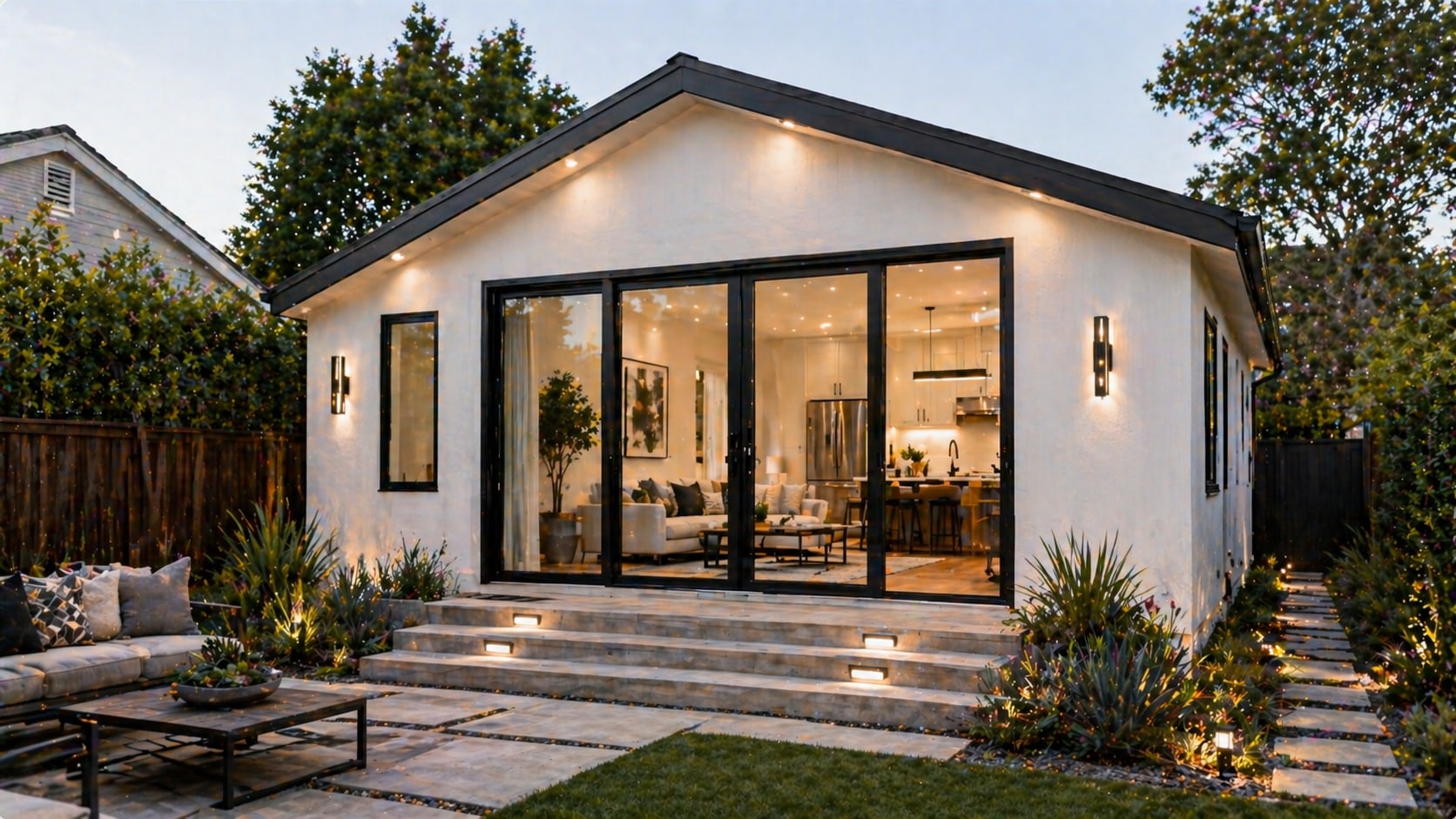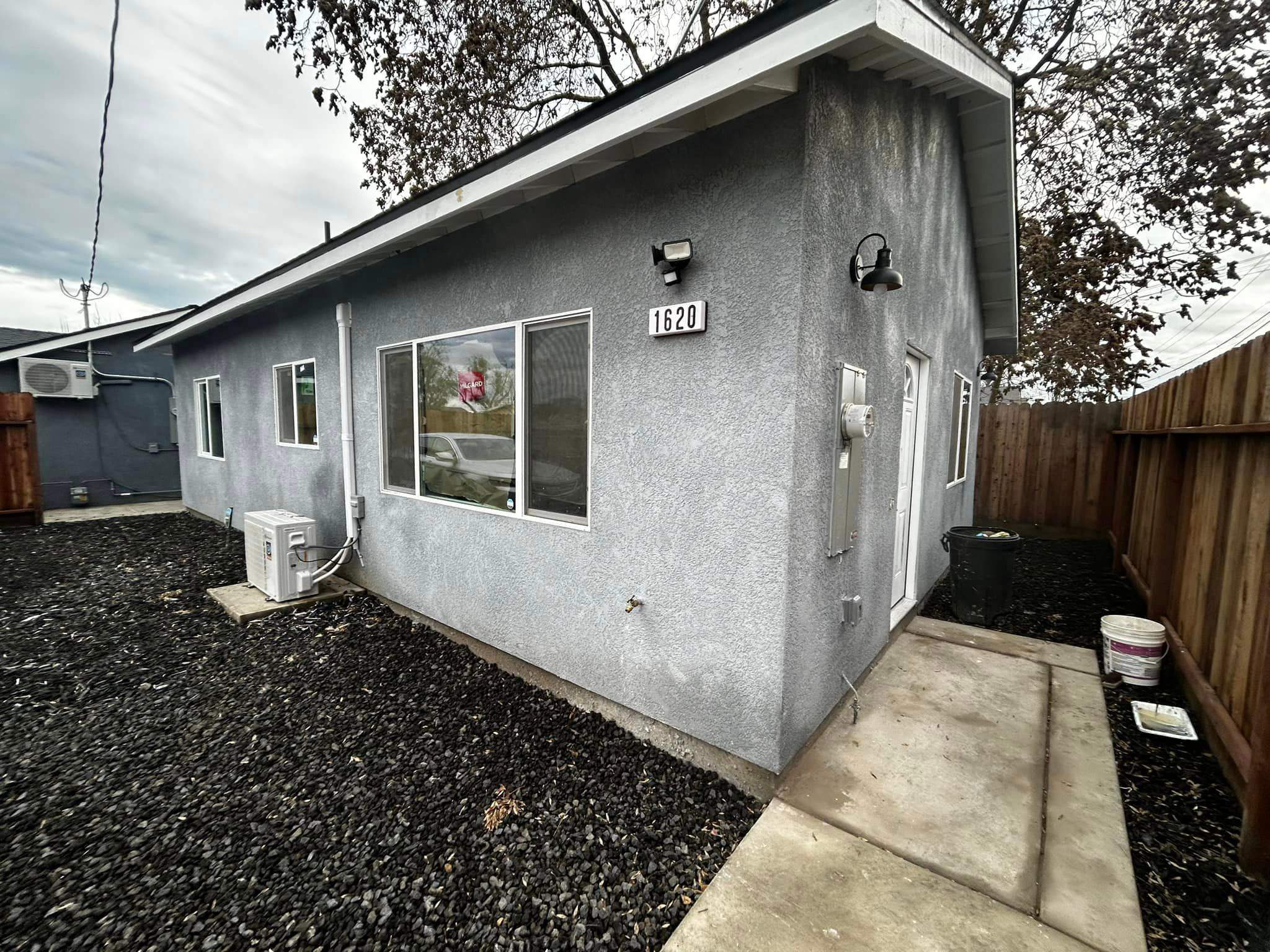
Designing, permitting, and building garage-conversion ADUs, above-garage ADUs, detached ADUs, and Junior ADUs for Valley Village and Valley Glen homeowners. Office on Ventura Blvd. CSLB License #972213.
Hillstar Construction is a licensed Valley Village ADU contractor. Our office sits on Ventura Boulevard a short drive south of Valley Village — which means a real person is on your property for the first site visit, not a sales representative passing through from across the county. We work with homeowners across Valley Village, Valley Glen, and adjacent blocks of Studio City and North Hollywood on garage-conversion ADUs, above-garage units, detached ADUs, and Junior ADUs (JADUs) — each one shaped around the tighter flat-lot reality that defines this neighborhood, where yard planning matters more than it does farther west in the Valley.
Every project starts with a free on-site consultation, a clear written scope, and a straight answer about what your lot can actually support.
★★★★★ 5.0 · 17 reviews on Houzz
Valley Village is a flat, R1-dominant neighborhood with tighter and more uniform lot sizes than the neighborhoods on either side of it. Typical parcels run 5,500 to 7,500 square feet — smaller than a Sherman Oaks R1, smaller than a Studio City R1, and noticeably smaller than a Tarzana R1. That changes which ADU type actually delivers meaningful square footage without eating the family yard: garage conversions and above-garage ADUs often end up the right call even when a detached new-build is technically allowed. The Metro G Line (Orange Line) busway running along Chandler Boulevard and Metro Bus coverage across Coldwater Canyon, Laurel Canyon, Magnolia, and Burbank put most of the neighborhood inside the half-mile transit buffer that eliminates ADU parking requirements entirely.
A contractor who designs a detached ADU for every Valley Village lot tends to leave the main home without meaningful outdoor space or fight the pool, trees, and play yard for the same rear-footprint. We design for your lot's actual rear-yard budget first — because preserving the usable yard is usually as important as the ADU itself on a family block.
For homeowners still weighing an ADU against a main-home expansion, our home addition option is sometimes the better fit when the lot simply can't carry a meaningful detached structure and the family's real need is more interior square footage.
ADUs in Valley Village are governed by California state law and Los Angeles city rules — the same framework that applies across the City of LA. The baseline rules below are what virtually every Valley Village property starts with. Because Valley Village is almost entirely flat R1 with no meaningful hillside and no widespread HOA footprint, the city permit process is usually the only gatekeeper.
Valley Village is almost entirely R1 (5,000 sq ft minimum lot), with a handful of R2 and commercial zoning along the main boulevards. There are essentially no RE zones here and no hillside designation, which keeps foundation work and plan-check simpler than in the hillside neighborhoods to the south. The trade-off is that lots are smaller — typically 5,500 to 7,500 square feet — which tightens the rear-yard budget for any new detached structure.
State law requires Los Angeles to allow a detached ADU of at least 850 square feet for a studio or one-bedroom, or at least 1,000 square feet for two or more bedrooms. LA permits detached ADUs up to 1,200 square feet. On a typical 6,000 square-foot Valley Village lot, reaching the full 1,200 square feet in a detached footprint usually means committing most of the remaining rear yard, which is why garage conversions — with their existing footprint and no setback requirement — are often the better value-per-square-foot path.
State law limits required side and rear setbacks to no more than four feet for a new detached or attached ADU. No setback is required when you convert an existing garage within its existing footprint. Valley Village has a lot of original post-war detached garages on the blocks south of Magnolia, and those are strong garage-conversion candidates.
No new or replacement parking is required for an ADU on any lot within a half-mile walking distance of public transit. The Metro G Line busway along Chandler Boulevard with Laurel Canyon Station and Valley College Station, plus Metro Bus coverage on Coldwater Canyon, Laurel Canyon, Magnolia, and Burbank, put most of Valley Village inside the transit buffer. For most Valley Village ADUs, no new parking is required at all — which is a major advantage for a tight-yard neighborhood.
State law requires the city to determine whether your ADU application is complete within 15 business days and to approve or deny a complete application within 60 days. LADBS processes Valley Village ADU applications through the same Valley branch that handles Studio City and Sherman Oaks projects. Garage conversions typically move through plan check faster than new detached builds because the structural scope is narrower.
Not applicable. Valley Village sits entirely on flat Valley floor with no hillside designation, which eliminates the foundation engineering, grading, and export-dirt complications that slow hillside ADUs elsewhere in the Valley.
Valley Village's tighter flat R1 pattern shifts the ranking of ADU types compared to larger-lot neighborhoods. Here's how we actually match ADU type to lot conditions here:
The most common and often the best Valley Village ADU configuration. Many properties south of Magnolia still have their original detached post-war garages, and state law allows garage-to-ADU conversions with no required setback from the existing footprint. That preserves maximum rear-yard space, moves through plan check faster than a new detached build, and typically costs less per square foot because the shell is already there. We check foundation, framing, and drainage before committing — older single-wall-framed garages sometimes need more reinforcement than the permit drawings initially suggest.
A strong second option on lots where the existing garage is worth keeping for covered parking or where the detached garage is too compromised for a ground-floor conversion. Los Angeles allows ADUs above a garage with setbacks of no more than five feet from side and rear lot lines. This path keeps the garage functional downstairs while adding real living square footage above.
Feasible on Valley Village lots where the rear yard can spare 500 to 900 square feet of footprint without eating the pool, mature trees, or play area. A freestanding 800 to 1,200 square-foot ADU offers the most design flexibility and the cleanest separation from the main home, but on a typical 6,000 square-foot lot the practical constraint is usually yard preservation rather than zoning.
A JADU is carved out of the existing primary home — up to 500 square feet — and fits best when the lot simply can't support a detached structure or the homeowner only needs a small additional unit. JADUs continue to have owner-occupancy requirements under state law. Often paired with a broader home remodeling project when the main Valley Village ranch or Spanish is already being reworked.
Valley Village sits entirely on flat Valley floor — no hillside lots exist in this neighborhood. That's actually an advantage: foundation engineering is simpler, grading permits are rare, and construction access is uniformly easier than in the hillside blocks south and west of here.
A realistic Valley Village ADU timeline from first site visit to certificate of occupancy is 4 to 10 months for a garage conversion and 6 to 12 months for a detached new-build. Permits move on the state-mandated 15-day / 60-day schedule when plans are submitted correctly; garage conversions often complete plan check faster than new construction because the structural scope is narrower. Construction itself runs 2 to 5 months for a conversion and 3 to 6 months for a detached build once ground is broken.
Valley Village's buyer profile is family-centric with a strong current remodel wave — kitchens opened, primary bathrooms expanded, exteriors updated — which tends to raise ADU finish expectations above base spec. That said, Valley Village is not typically an estate-level finish market the way Tarzana or Braemar is, so cost per square foot lands below the west-Valley average for equivalent scope. Our cost and ROI guide for building an ADU in Los Angeles breaks down the numbers and the variables that move them the most.
What we commit to on every Valley Village project: a written scope, a clear price, no surprise change orders unless construction uncovers something that genuinely requires one, and direct access to your project manager from kickoff through final walkthrough. The full ADU construction process is covered step-by-step in our construction guide.
Working on a neighboring project and want to compare notes? See our Studio City ADU page and Sherman Oaks ADU page for the same framework applied to adjacent neighborhoods.
Lior was such a pleasure to work with for our guest house remodel. He was so easy to get in touch with, incredibly responsive and finished the job early.
— Amy Christine, February 2019Lior is very personable and has many decades of construction experience. We appreciated his sincere evaluation of our project.
— Ann Anterasian, April 2019Valley Village is almost entirely R1 zoning with a 5,000 square-foot minimum lot, and the typical parcel runs 5,500 to 7,500 square feet — tighter and more uniform than Sherman Oaks, Studio City, or Tarzana. That changes which ADU type actually fits. On many Valley Village lots a full 1,200 square-foot detached new-build would leave the main home without meaningful rear-yard space, so garage conversions and above-garage ADUs often win on practical fit even when the zoning technically allows detached construction. We start every Valley Village ADU with a buildable-envelope drawing that compares all three paths — detached, above-garage, and garage conversion — against the same lot, so you can see the tradeoffs before design starts.
For a large share of Valley Village lots, yes. State law allows garage-to-ADU conversions with no required setback from the existing footprint, which makes them the fastest ADU type to permit and the one that preserves the most rear-yard space on tight family lots. Many Valley Village homes south of Magnolia still have their original detached post-war garages, and those structures are strong candidates for conversion — though we always check foundation, framing, and drainage before committing. When the existing garage is too compromised or the homeowner still needs covered parking, an above-garage ADU is usually the next best answer.
Very often, yes. State law removes any ADU parking requirement for lots within a half-mile walking distance of public transit, and Valley Village sits on top of the Metro G Line (Orange Line) busway running along Chandler Boulevard, with Laurel Canyon Station and Valley College Station pulling large chunks of the neighborhood inside the half-mile radius. Additional Metro Bus coverage on Coldwater Canyon, Laurel Canyon, Magnolia, and Burbank Boulevard closes most of the remaining gaps. We confirm each Valley Village address against the LADBS transit map before designing around parking requirements, but for a majority of lots no new parking is required at all.
Yes. Valley Village is anchored by post-war single-story ranch homes, with scattered pre-war Spanish Revival, Tudor, and pockets of mid-century modern. A strong wave of remodels to modern-farmhouse and transitional-contemporary is active on family-oriented blocks close to Colfax Charter and near Beeman Park. A well-designed ADU echoes whichever direction the main home has gone: matching gable and eave detail for an original ranch, clean stucco and arched openings for Spanish, or matching board-and-batten siding and standing-seam metal for a modern-farmhouse update. We photograph the primary home at the site visit and carry those details into the ADU so the finished result reads as part of the property, not bolted on.
Yes, on many lots, though yard planning matters more here than in Tarzana or Encino. State law keeps required side and rear setbacks to no more than four feet for detached ADUs, which is what makes detached construction feasible even on a 6,000 square-foot lot. The practical constraint is usually what's left of the rear yard after the ADU is placed: pool, mature trees, outdoor living, and play space all compete for the same footprint. Where the yard can spare 500 to 900 square feet for a detached footprint, a detached ADU works; where it can't, an above-garage or garage conversion usually serves the same function better.
Yes, and it's a common Valley Village scope right now. Original post-war ranches in the neighborhood are getting their first meaningful update — kitchens opened, primary bathrooms expanded, exteriors updated to a modern-farmhouse or transitional look — and the same project often adds an ADU through either garage conversion or a detached build at the rear. Running the main-home remodel and the ADU as a single coordinated project lets one crew sequence both builds, consolidates permit coordination, reduces repeat site-mobilization cost, and typically finishes both faster than running them back-to-back.