Bathroom Remodels in Older Los Angeles Homes: What's Behind the Wall
In Los Angeles neighborhoods with a lot of older housing stock — Sherman Oaks, Encino, Van Nuys, Toluca Lake, and much of Pasadena and Altadena — a bathroom remodel is rarely just cosmetic: behind the tile is often galvanized or cast-iron plumbing, pre-code electrical, and framing that predates today's seismic standards. This walks through what's commonly found once an older LA bathroom is opened up, and what to ask a contractor before you sign anything.
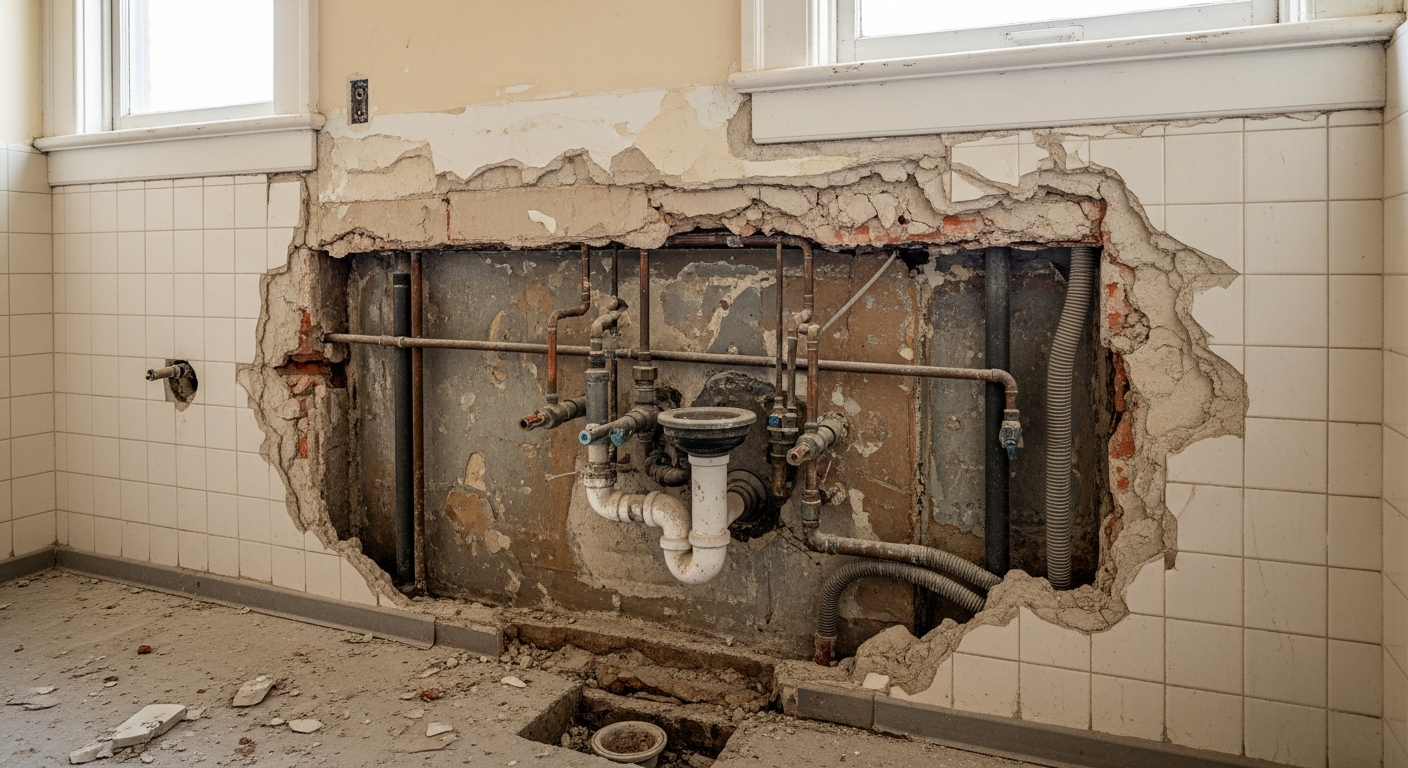
Why "just a bathroom" rarely stays that simple in an older home
A bathroom remodel touches more systems in a smaller footprint than almost any other room: plumbing supply and drain lines, electrical circuits, ventilation, waterproofing, and often structural framing, all inside a space with limited access. In a home built decades ago, those systems were installed to the code and materials standard of that era — not today's. Opening the wall to reset a vanity or move a shower doesn't just expose tile backing; it exposes whatever pipe, wire, and framing was put in when the house was built, and none of it gets a pass just because the rest of the remodel is cosmetic.
What's actually behind the wall: supply and drain lines
Older LA homes commonly still have galvanized steel supply pipe, which corrodes from the inside over decades and restricts water flow long before it visibly leaks. Cast iron drain lines, common through the mid-century era, corrode and rust internally in the same way, which is why they're frequently flagged for replacement once a wall or floor is already open for a remodel. Neither of these is something a contractor can assess from a walkthrough alone — it's confirmed once the wall comes down, which is exactly why an experienced GC scopes for the possibility up front instead of promising a fixed plan before seeing what's inside.
Electrical that predates today's safety code
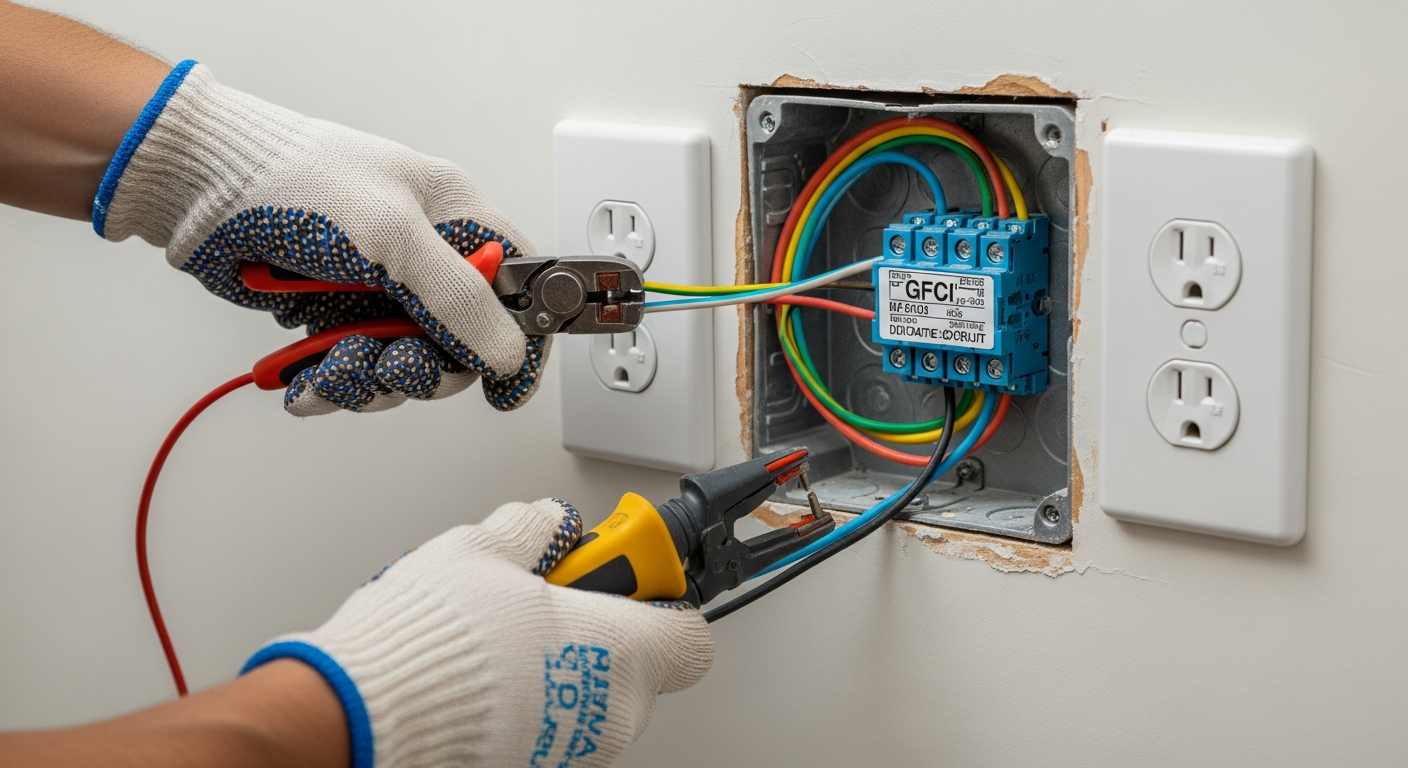
Bathrooms built before modern electrical code often lack GFCI protection, have too few dedicated circuits, or route lighting and outlets on shared circuits that wouldn't pass inspection today. When a remodel reopens the walls, bringing that wiring up to current code isn't optional cosmetic upgrade — it's part of what gets the permit signed off.
Materials that need careful handling, not just demolition
Homes from the mid-century era can contain asbestos in old tile mastic, popcorn ceiling texture, or pipe wrap — materials that were standard for their time and are only a concern once disturbed. In the South Coast Air Basin, renovation work that disturbs these materials is regulated by the South Coast Air Quality Management District, and its current requirements should be confirmed before work begins. This is a step a qualified contractor plans for rather than skips, and it's one more reason a bathroom remodel in an older home needs a real site assessment before a firm scope is set.
When a straightforward remodel becomes a permit job
Within the City of Los Angeles, a permit is required for bathroom work such as moving a toilet, shower, or sink; altering a drain line; adding electrical circuits; or making structural changes to a wall — all of it falls under LADBS review. Pasadena is a separate incorporated city outside LADBS's jurisdiction, and Altadena is unincorporated Los Angeles County; homeowners there should confirm permit requirements with their own city or county building department rather than LADBS. Whether any specific piece of your project qualifies is something to confirm directly with LADBS or your contractor before work starts, not something to assume either way — the line between "cosmetic" and "permitted alteration" is easy to misjudge from the outside.
Older framing and seismic-era gaps
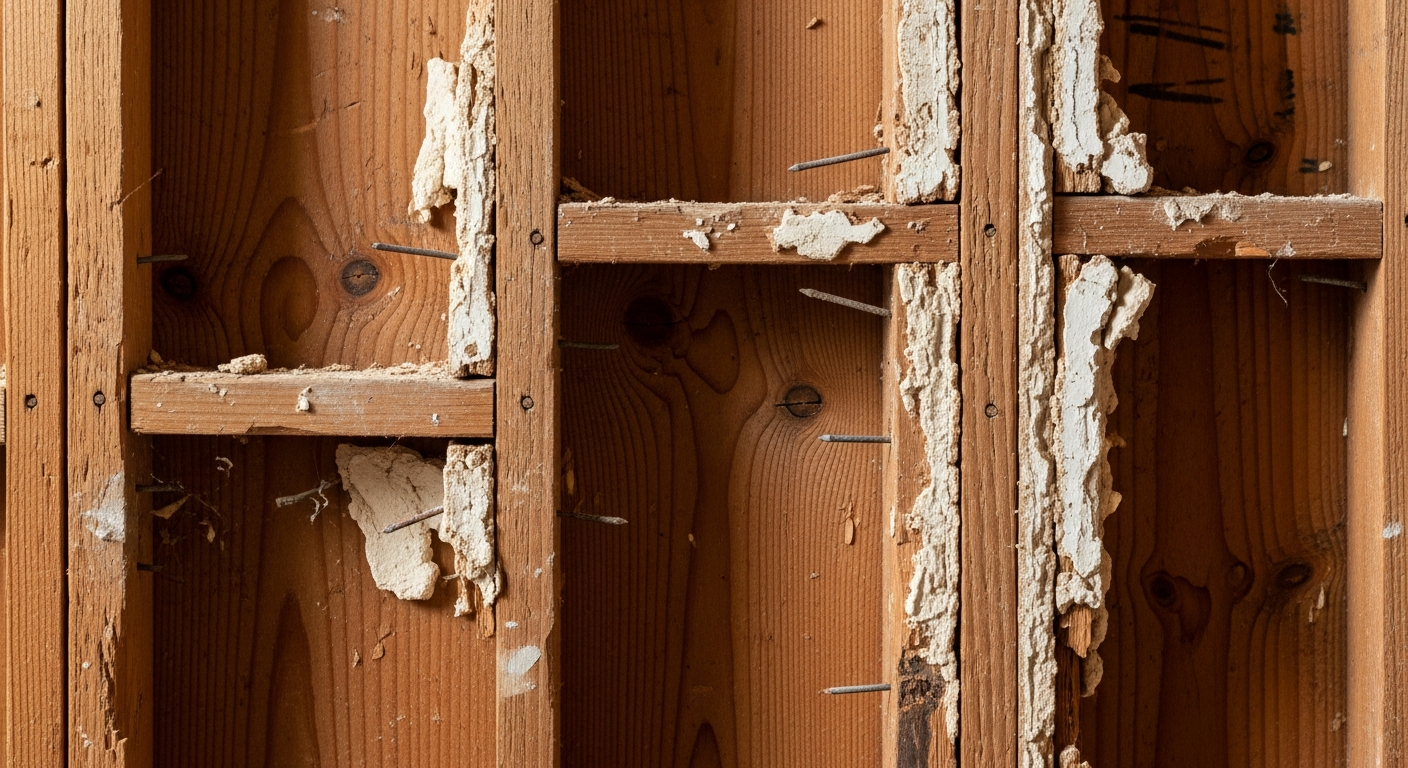
Homes built before current seismic provisions were adopted sometimes have framing that doesn't meet today's structural expectations once it's exposed. This isn't universal — it depends on the home's construction era and prior renovation history — but it's a real enough possibility in older LA housing stock that an experienced contractor scopes for it rather than assuming the framing behind the tile will simply match modern expectations.
If your home is in a Historic Preservation Overlay Zone (HPOZ)
HPOZ review in Los Angeles is generally focused on what's visible from the street — the exterior facade, roofline, windows, and front-facing details. Interior work like a bathroom remodel typically falls outside that review, as long as the project doesn't touch exterior walls, windows, or the roofline. Homeowners in an HPOZ should still confirm scope-specific questions with LA City Planning's Office of Historic Resources before assuming a project is fully interior in the eyes of the review process.
What this means for planning your remodel
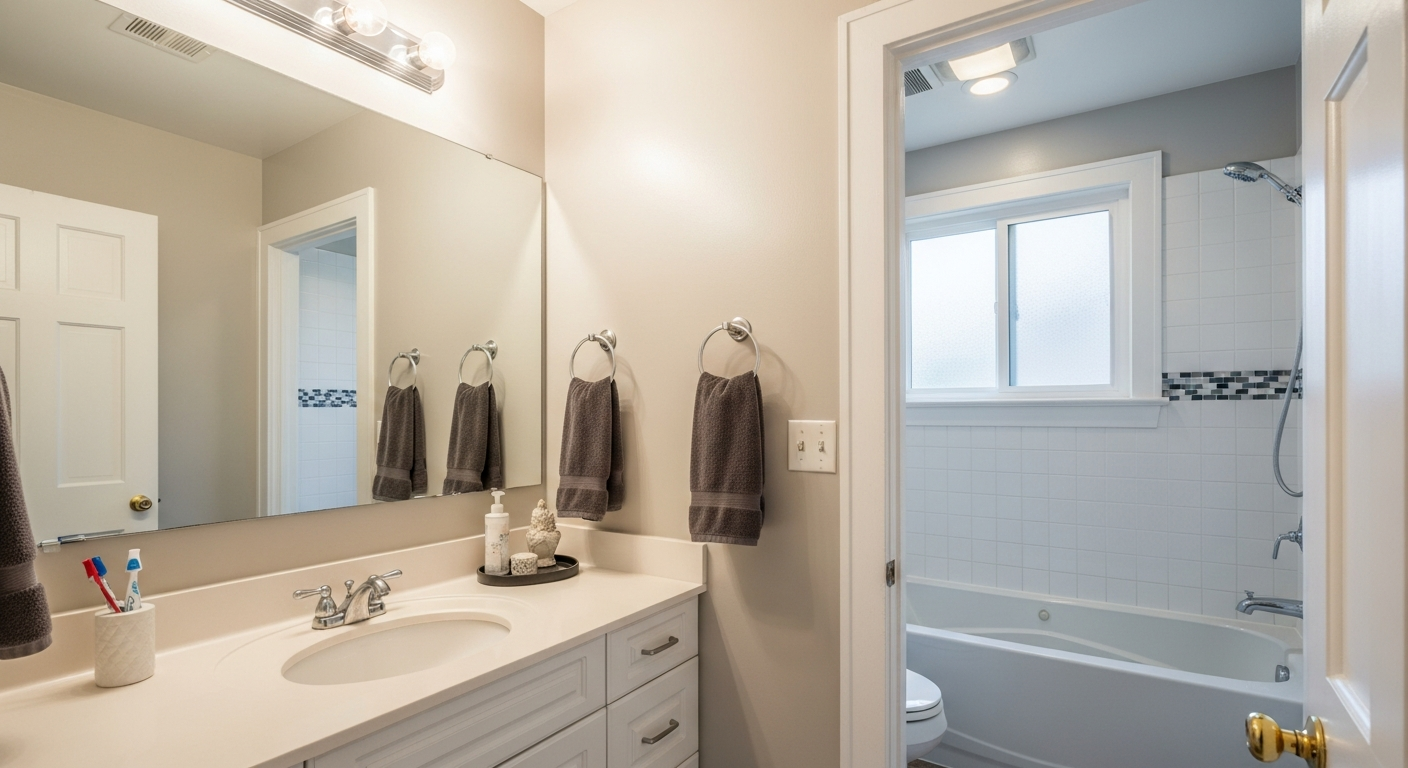
None of this is a reason to avoid remodeling an older LA bathroom — it's a reason to plan for a real site assessment instead of a rough estimate from photos. A contractor who has worked on enough older Los Angeles homes should be able to walk you through what's likely behind your specific walls before demo starts, not just after. That's the difference between a remodel that stays on track and one that turns into a string of surprises once the tile comes off.
Frequently asked questions
Does every bathroom remodel in Los Angeles require a permit?
Not every project — a like-for-like fixture swap in the same location is treated differently than moving a fixture, altering a drain line, adding circuits, or changing structure. Within the City of Los Angeles, confirm your specific scope with LADBS or your contractor before assuming either way; in Pasadena or Altadena, confirm with your own city or county building department instead, since neither is under LADBS.
How do I know if my home has galvanized or cast iron plumbing?
Home age is the first clue — homes built through the mid-20th century commonly used these materials — but the only reliable confirmation is a contractor's inspection once the relevant section of the home is accessible.
Will an HPOZ designation stop me from remodeling my bathroom?
Generally no, since HPOZ review is centered on exterior, street-facing elements. Confirm your specific scope with LA City Planning's Office of Historic Resources if your project comes anywhere near an exterior wall, window, or the roofline.
What should I ask a contractor before they open the walls?
Ask what they typically find in homes of your area and era, how they handle plumbing or electrical that doesn't meet current code once exposed, and how they'd document and communicate a scope change if one comes up mid-project.
A remodel that's planned for what's actually there
If you're considering a bathroom remodel in an older Los Angeles home, the most useful first step is a real site visit, not a quote from a floor plan. Hillstar has worked through this exact situation across older housing stock throughout the Los Angeles area — the same considerations apply whether the rest of the project is a single bathroom or part of a larger home remodel that also touches the kitchen. Reach out to talk through what your specific home is likely to need before you plan the scope.
Related reading: Older-home renovation in Encino: what the older housing stock means and Licensed vs. unlicensed contractors in Los Angeles: what's actually at risk.