Older-Home Renovation in Encino: What the Older Housing Stock Means
Older-home renovation in Encino means working with post-war framing, aluminum wiring, clay sewer laterals, and permit records that often don't match what's behind the walls. Experienced contractors budget extra discovery time, plan for LADBS plan-check iterations, and coordinate Title 24 energy upgrades that trigger when you open a permitted scope.
What Does 'Older Housing Stock' Actually Mean in Encino?
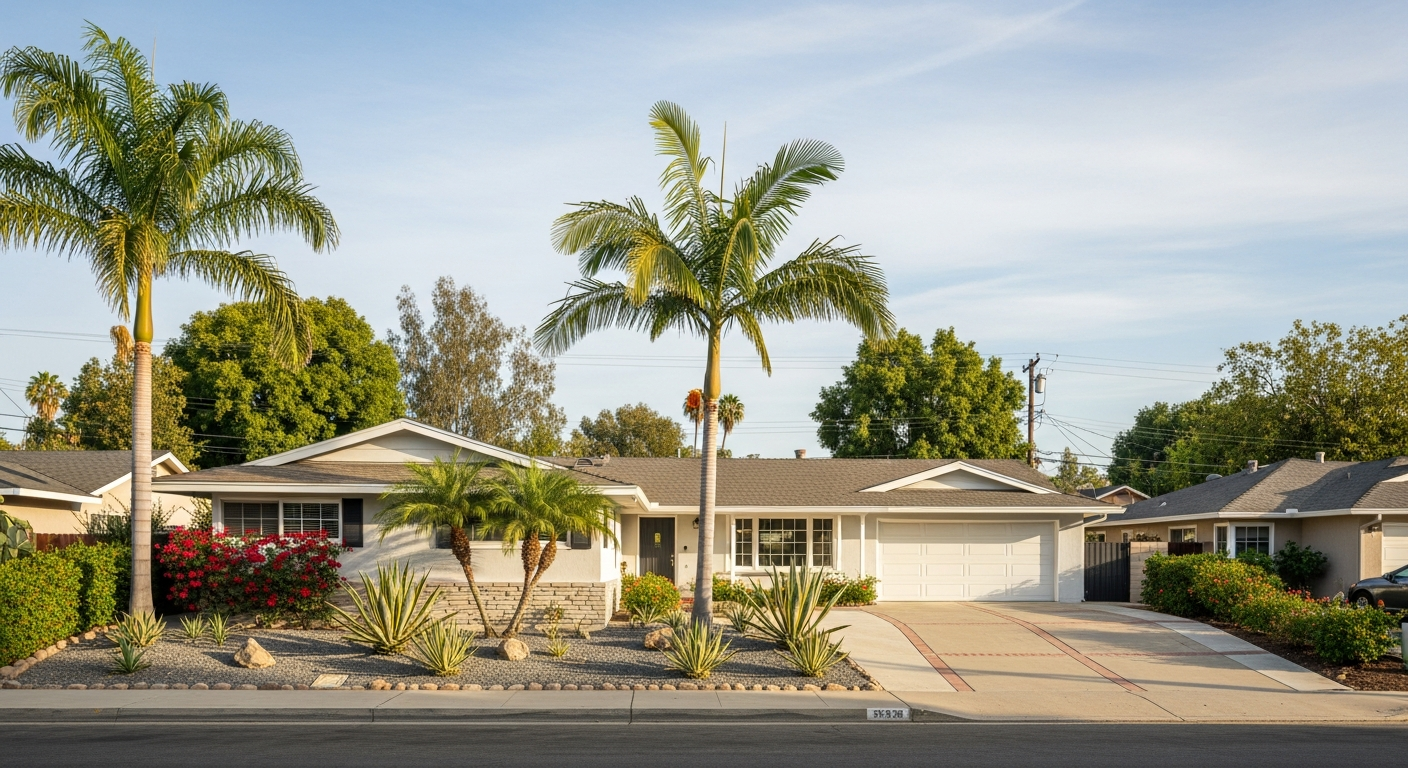
Older housing stock in Encino refers to homes built between the late 1940s and early 1970s, when the San Fernando Valley saw rapid post-war development. These homes share common construction: dimensional lumber framing, plaster-over-lath walls, cast-iron or clay sewer laterals, occasional aluminum branch wiring, and original electrical panels rated for loads that no longer match modern appliances. When you open a wall for kitchen remodeling or bathroom remodeling, you're often looking at minimal insulation, single-pane aluminum windows, and knob-and-tube remnants that should have been removed but weren't. LADBS doesn't formally define 'older housing stock,' but inspectors recognize the pattern—homes built under earlier standards for seismic bracing, fire-blocking, and egress.
Where Do Homeowners Trip Up Before the First Demo Day?
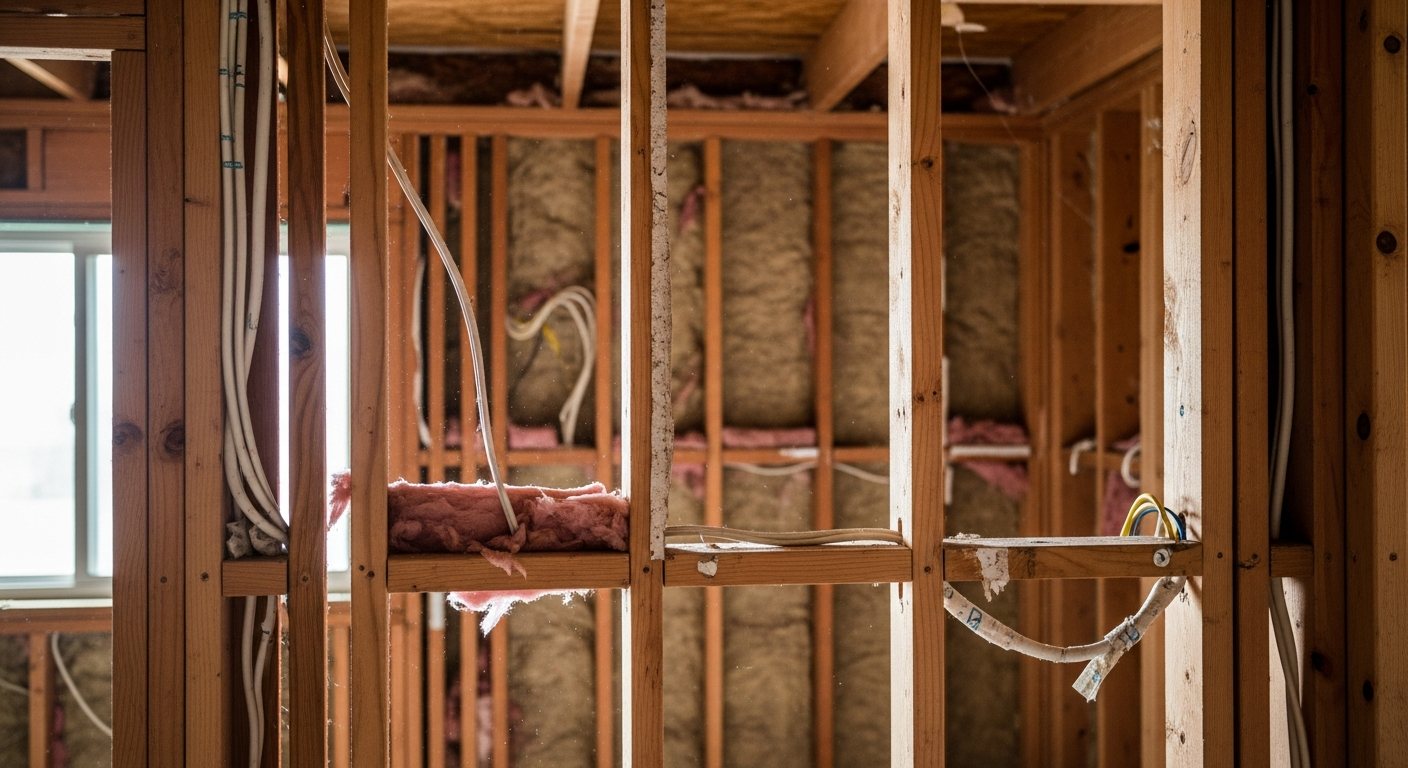
Homeowners trip up by assuming the permit history on file with LADBS matches what's actually in the house. Many Encino homes have had alterations done outside the permitted scope—room additions, garage conversions, panel swaps, or plumbing re-routes the city has no record of. When you pull a new permit for home remodeling, any discrepancy becomes a compliance issue. The second mistake is underestimating discovery: older homes hide rotted sill plates and framing notched in ways that compromise structural integrity. Experienced contractors open exploratory access during the walkthrough so scope and permit drawings reflect reality. A third trip-up is timeline—a 200-amp service upgrade, a sewer-lateral camera find, or skip-sheathing under the original roofing each trigger a separate scope and inspection.
What Should You Ask the Contractor Before Signing?
Ask how the contractor handles permit-history research and what happens when existing conditions don't match LADBS records. A contractor experienced with older Encino homes pulls the property's permit file, reviews original plans on microfilm, and walks the property with a checklist of discrepancies. Ask whether exploratory access is included in the walkthrough. Contractors with multiple older-home projects — like Hillstar Construction Inc (CSLB #972213), led by Lior Mazor, who brings over 40 years of hands-on construction experience — know that strategic inspection points save time and budget surprises later.
- How do you confirm the existing electrical service capacity before adding loads?
- What's your process for coordinating Title 24 energy compliance when triggered?
- How do you handle sewer lateral inspections and city right-of-way work?
- What happens if framing or sheathing behind finishes doesn't meet current code?
Ask about permit-submittal timeline. LADBS plan check on older Encino homes often needs multiple rounds—structural concerns, then Title 24 energy compliance, then field conditions. A contractor with a plan-check contact at the Van Nuys district office shortens that loop.
When Does Title 24 Energy Compliance Get Triggered?
Title 24 energy compliance gets triggered when your permitted alteration exceeds a threshold defined by the California Energy Code: altering more than a certain percentage of the building envelope, adding conditioned space, or replacing major systems like HVAC or water heating. For older Encino homes, that threshold is easy to cross during kitchen or bathroom remodeling. New windows must meet U-factor and solar heat gain coefficient thresholds set for your property's California climate zone — confirm the applicable zone and thresholds with your Title 24 energy consultant or LADBS plan-checker. Additions or garage conversions must meet prescriptive insulation values and may require solar photovoltaic panels. LADBS won't issue a final sign-off until the Title 24 energy compliance forms for residential alterations are submitted and approved.
What Encino-Specific Compliance Issues Show Up During Permit Review?
Encino-specific compliance issues include hillside setback requirements if your property slopes more than a certain grade, HOA design review if you're in a planned community with CC&Rs, and city right-of-way coordination if your sewer lateral crosses a city easement, plus LADWP coordination if a new utility service crosses one. LADBS plan check flags these during initial review and the permit won't issue until the required approvals are on file.
- Hillside setback and grading compliance for properties near the Santa Monica Mountains foothills
- HOA architectural review for exterior alterations in planned Encino communities
- City right-of-way permits for sewer lateral work, and LADWP coordination for new utility trenching
- Fire-department access requirements if the remodel changes the building footprint
Hillside lots often require a soils report, drainage plan, or geotechnical engineer's stamp on the structural drawings. The contractor coordinates with a civil engineer early so HOA approvals and city plan check run in parallel rather than serially.
How Do You Handle Aluminum Wiring and Outdated Electrical Systems?
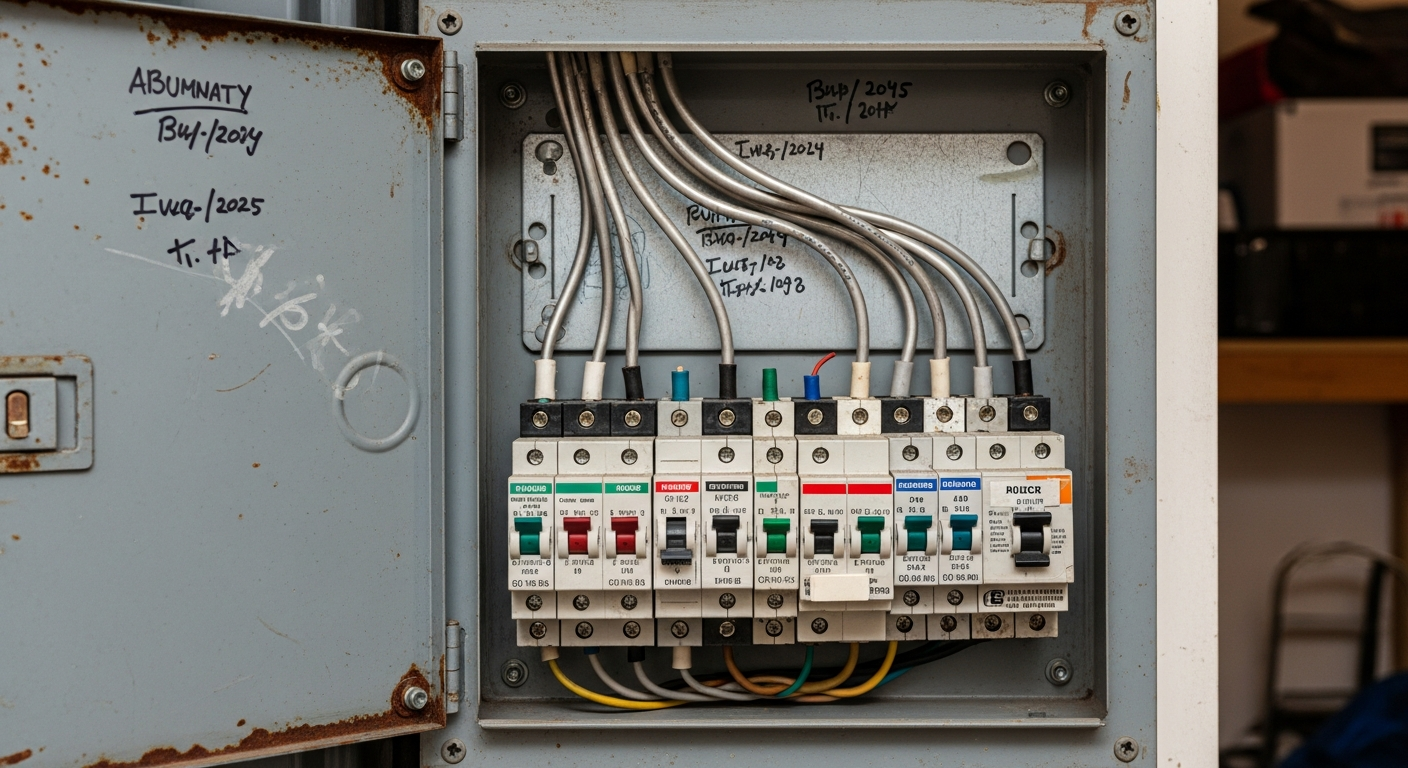
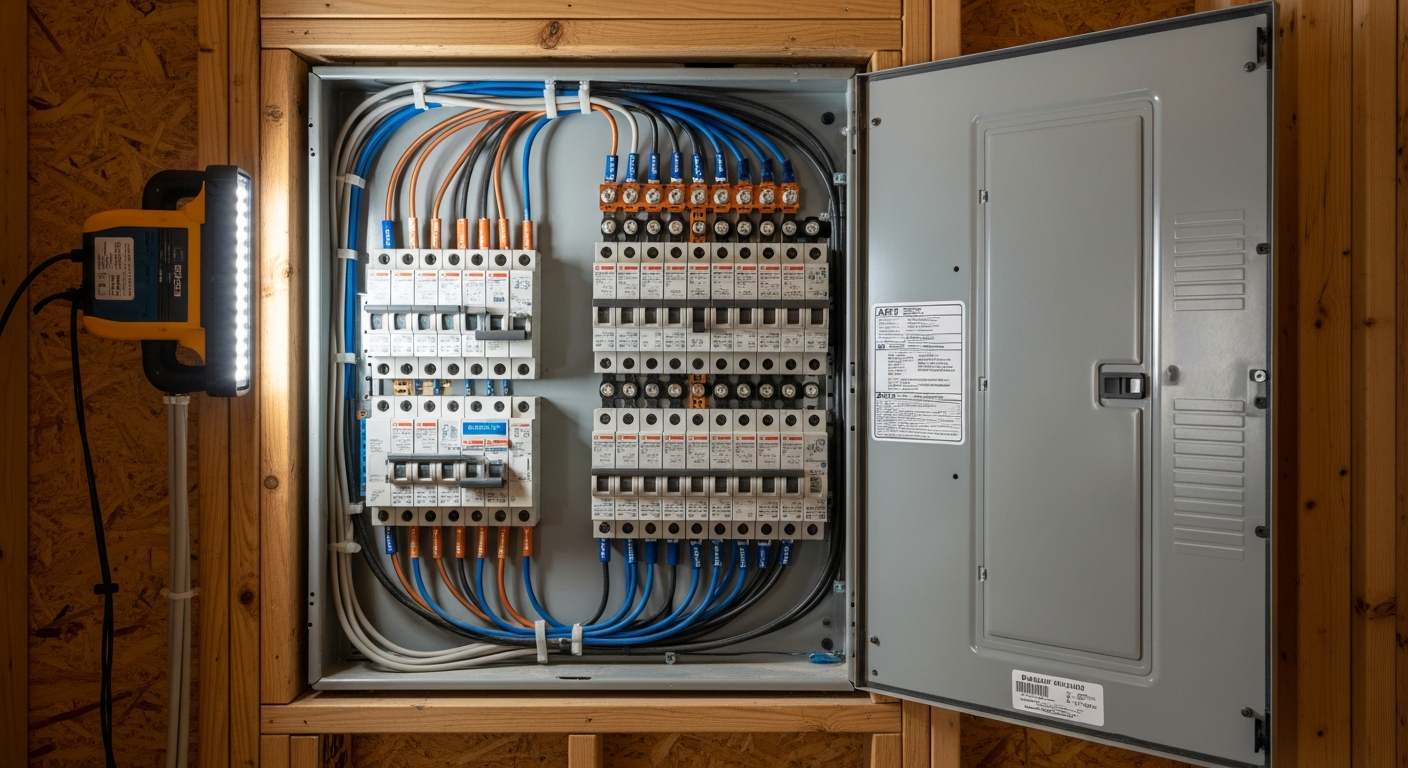
Aluminum wiring and outdated electrical systems get handled through panel upgrades, circuit re-wiring, and AFCI or GFCI protection that meets current National Electrical Code requirements. LADBS doesn't require rewiring the whole house when you pull a remodel permit, but any circuit you open or extend must be brought up to current code. The typical approach replaces the main panel with a modern 200-amp load center that has enough breaker spaces for new kitchen, bathroom, or ADU construction loads, then selectively rewires the circuits serving the remodeled areas. Copper conductors replace aluminum branch wiring, and AFCI breakers go on bedroom circuits with GFCI protection on bathroom and kitchen countertop outlets.
What Happens When the Sewer Lateral Fails the Camera Inspection?
When the sewer lateral fails the camera inspection, the contractor coordinates a separate permit for replacement or repair, schedules any required city right-of-way work if the lateral crosses a city easement, and ensures the new line meets current pipe material and slope requirements before the remodel's final inspection can proceed. The camera often reveals clay pipe that's cracked, offset, or filled with root intrusion from the mature trees common in Encino. Localized damage may allow a trenchless repair like pipe bursting or epoxy lining; a fully compromised lateral requires Schedule 40 PVC or ABS replacement and a city right-of-way permit if the work extends into the parkway. LADBS won't sign off on the remodel final until the required sewer approvals are on file.
Why Does the Permit Process Take Longer for Older Encino Homes?
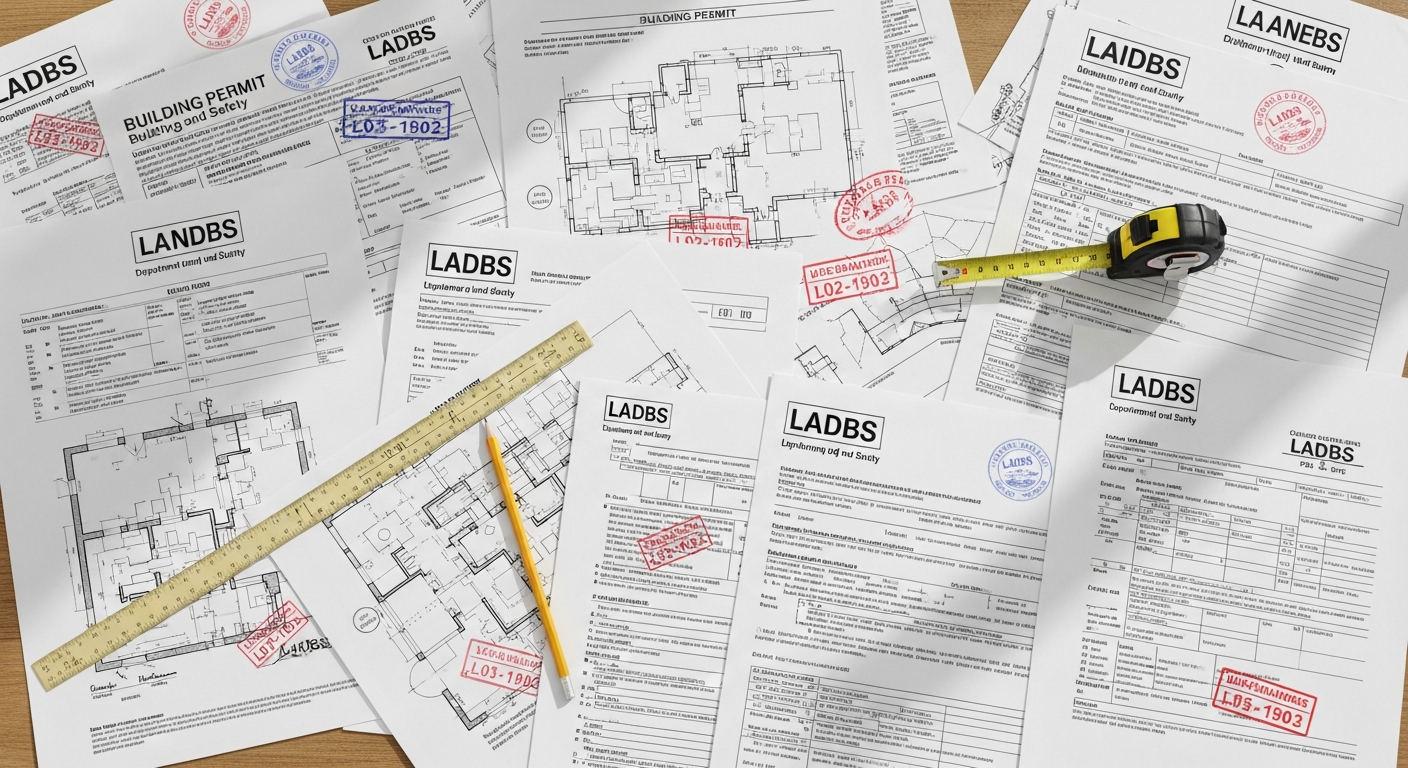
The permit process takes longer because LADBS plan check requires additional documentation to address code-upgrade triggers, resolve discrepancies between existing conditions and original permit records, and verify compliance with current seismic, energy, and accessibility standards. A straightforward remodel in a newer home might clear in one or two rounds; the same scope in a post-war Encino house often requires multiple iterations—structural concerns, then Title 24 and mechanical-system upgrades, then field conditions that weren't visible in the original drawings. The contractor's responsiveness with the Van Nuys district office affects whether the permit issues in a reasonable window or stalls.
What Separates a Smooth Older-Home Renovation from a Difficult One?
A smooth older-home renovation is separated from a difficult one by the contractor's discovery discipline, permit-prep thoroughness, and ability to coordinate the multiple agencies that older Encino homes require. Projects that go sideways skip exploratory access, submit incomplete permit drawings, or assume existing conditions match city records without verifying. Projects that stay on track treat the walkthrough as a forensic exercise and build a scope that reflects post-war construction reality. Communication matters too: older-home renovations involve tradeoffs—plaster walls versus insulation upgrades, sewer-lateral surprises, Title 24 solar requirements—and a contractor who explains those tradeoffs before the contract is signed gives the homeowner the information needed to make informed decisions.
FAQ
Do older Encino homes always need a sewer lateral inspection during a remodel?
Not automatically for every remodel, but older Encino homes often have clay or cast-iron sewer laterals that have never been camera-inspected, and when a camera inspection is done it commonly reveals cracked pipe or root intrusion. Any sewer lateral alteration, repair, or replacement itself requires a permit, and a sewer connection permit requires a Bureau of Engineering permit number. Experienced contractors check the condition of the lateral during permit prep so repairs get scheduled before they can delay the project.
What happens if the existing electrical panel doesn't have enough capacity for the new kitchen or bathroom loads?
The contractor upgrades the main panel to a modern 200-amp load center and coordinates with LADWP if the service drop or meter base also needs replacement. The electrical permit covers the panel, new branch circuits, and required AFCI or GFCI protection before sign-off.
Why does LADBS plan check take longer for older homes than newer construction?
Plan check for older homes adds review cycles to address code-upgrade triggers, resolve discrepancies between existing conditions and original permit records, and verify current seismic and energy standards. The contractor's ability to provide complete responses determines how many iterations the permit needs.
Can I remodel an older Encino home without triggering Title 24 energy compliance?
Title 24 compliance gets triggered when your permitted alteration exceeds California Energy Code thresholds—altering a significant portion of the building envelope, adding conditioned space, or replacing major systems. Most kitchen or bathroom remodels in older Encino homes cross that threshold, and LADBS requires the compliance forms.