Design-Build vs Architect-Plus-Contractor for Complete Remodeling in LA
When you're planning a complete remodeling in Los Angeles, one of the first decisions is whether to hire a design-build contractor or bring in an architect first and then bid the plans to contractors. Both paths can work, but they create very different experiences on the ground. Understanding what each model actually means—and where owners trip up—helps you choose the structure that fits your property, your schedule, and how involved you want to be.
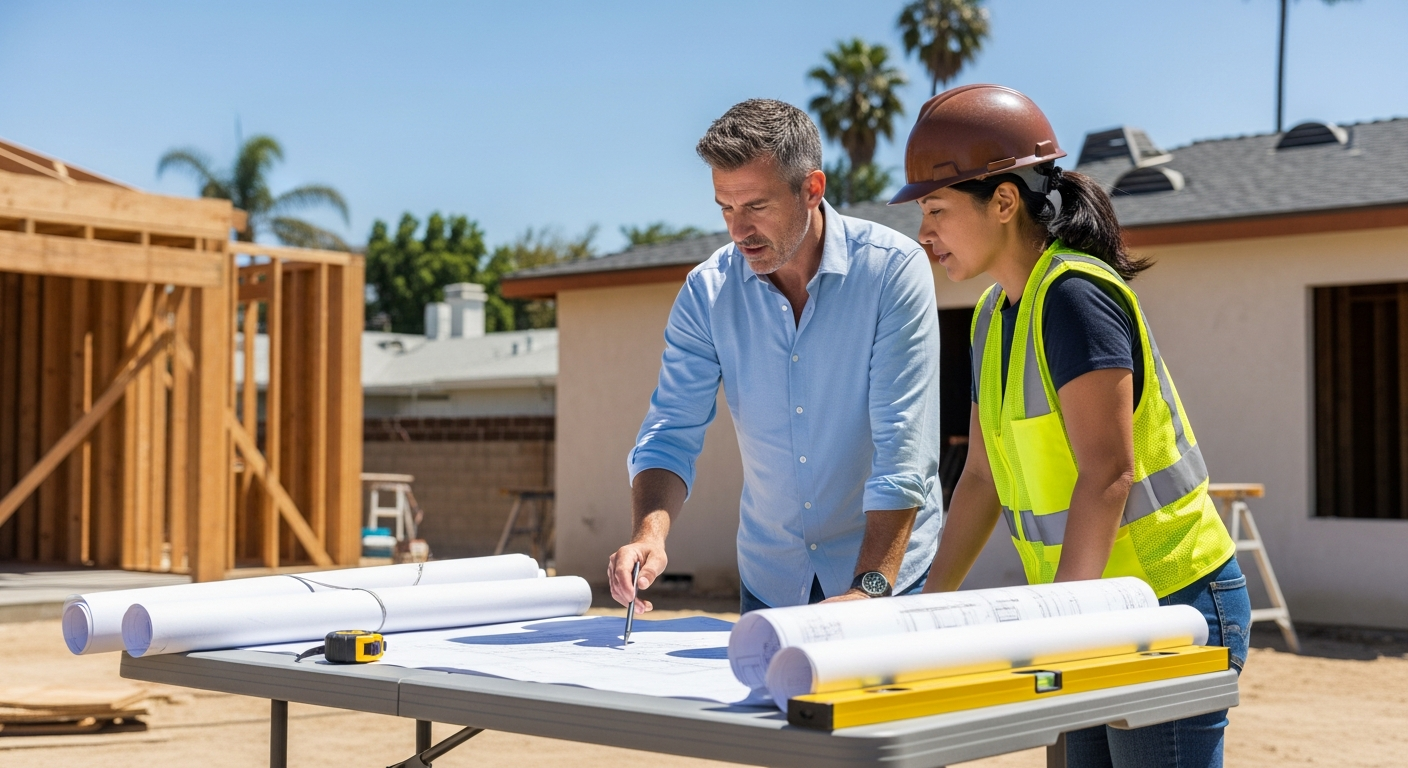
What Design-Build Actually Means in Los Angeles
Design-build means one entity—usually a licensed general contractor—handles both the design and the construction. You sign one contract, work with one team, and that team is responsible for drawings, permits, material selections, and the build itself. In Los Angeles that often means the contractor either employs in-house designers or has a long-standing relationship with an architect who works as part of the contractor's team. The owner communicates primarily with the contractor, and the designer's fee is folded into the overall scope. When something needs to change mid-project—a beam that wasn't on the original plan, a Title 24 compliance adjustment, a window that won't fit the existing header—the same team that drew it also prices and builds the fix. There's no finger-pointing between architect and builder because they're already on the same side of the table.
Design-build works well for home remodeling projects where the owner values a single point of contact and wants the construction expertise baked into the design from day one. The contractor knows local LADBS plan-check quirks, understands what the inspectors will flag, and can steer the design toward details that actually get built the way they're drawn. That doesn't mean the design is less creative—it means the creativity is informed by someone who's opened a lot of walls in Los Angeles and knows what's behind the stucco.

What the Architect-Plus-Contractor Split Looks Like
The traditional model is to hire an architect first, develop a full set of construction documents, then bid those plans to multiple contractors. The architect works for you, the contractor works for you, and the two are separate. The architect's contract covers design, drawings, and often construction administration—periodic site visits to confirm the work matches the intent. The contractor's contract covers labor, materials, and schedule. When a conflict arises—say the architect detailed a custom steel moment frame that the contractor says will delay the permit or the architect specified a tile that's discontinued—you're the mediator. You coordinate between two professionals who may have never worked together and who each have their own liability concerns.
This split works well when you want maximum control over the design phase, when you're doing a highly custom project that benefits from an architect's undivided attention, or when you want the competitive tension of multiple bids. It also works when you already have an architect you trust and you're comfortable managing the handoff. The risk is that the architect designs something the contractor finds impractical or expensive, and you're caught between two professionals each defending their position. Experienced contractors see this most often on additions where the architect drew a roof tie-in that looks clean on paper but requires a structural engineer's revision once the framing is exposed, or on kitchen remodeling projects where the reflected ceiling plan doesn't account for the existing HVAC ductwork that can't be moved without major cost.
Where Los Angeles Homeowners Trip Up
One common mistake is assuming the architect-plus-contractor model will save money because you can bid the plans to three contractors and pick the lowest number. In reality, contractors bidding a set of plans they didn't help create often add contingency to cover unknowns, especially if the drawings are light on structural detail or don't address existing conditions. A design-build contractor who walked the property during the design phase has already priced those risks more accurately. Another mistake is thinking design-build means you lose design quality. A good design-build team includes talented designers—they're just working in the same room as the people who will actually swing the hammers.
- Hiring an architect without discussing constructability early, then discovering the design exceeds the realistic scope once contractors bid it.
- Choosing design-build but not vetting the contractor's design capability—some contractors call themselves design-build but farm the drawings to the cheapest drafter they can find.
- Expecting the architect to manage the contractor's schedule or the contractor to redesign the architect's details without a change order.
- Not clarifying who owns the permit liability when the architect's drawings require a revision after LADBS plan check.
In Los Angeles, where hillside lots, HPOZ overlays, and Title 24 energy compliance add layers of review, the team that understands those constraints from the start usually delivers a smoother permit process. If you hire an architect unfamiliar with LADBS procedures and that architect produces a beautiful set of drawings that get rejected at plan check, you're paying for revisions and delay. A design-build contractor who submits plans regularly knows what the plan checker will ask for before the first correction letter arrives.

What to Ask Before You Sign Either Contract
If you're considering design-build, ask the contractor who will actually draw the plans, what their design process looks like, and whether you'll see multiple design options before construction documents start. Ask how changes are priced once the design is locked and how the team handles unforeseen conditions that require a design revision. Ask to see a complete remodeling project the team designed and built, and talk to that owner about communication and whether the design intent survived the build. A good design-build contractor will walk you through the process step by step and show you how design decisions affect the construction schedule and scope.
If you're hiring an architect separately, ask whether the architect has worked with contractors in Los Angeles on similar projects, how they handle construction administration, and what happens if the contractor identifies a constructability issue mid-project. Ask the architect if they're comfortable with value engineering—if your goal is to stay within a certain scope and the initial design exceeds it, will the architect work with the contractor to find solutions, or will they insist on the original vision regardless of cost? Ask potential contractors if they've built from this architect's drawings before, and if not, whether they see any red flags in the plan set. Contractors who've been through a few of these splits can often spot drawings that will cause problems before the first permit correction.
Los Angeles Permit and Compliance Realities
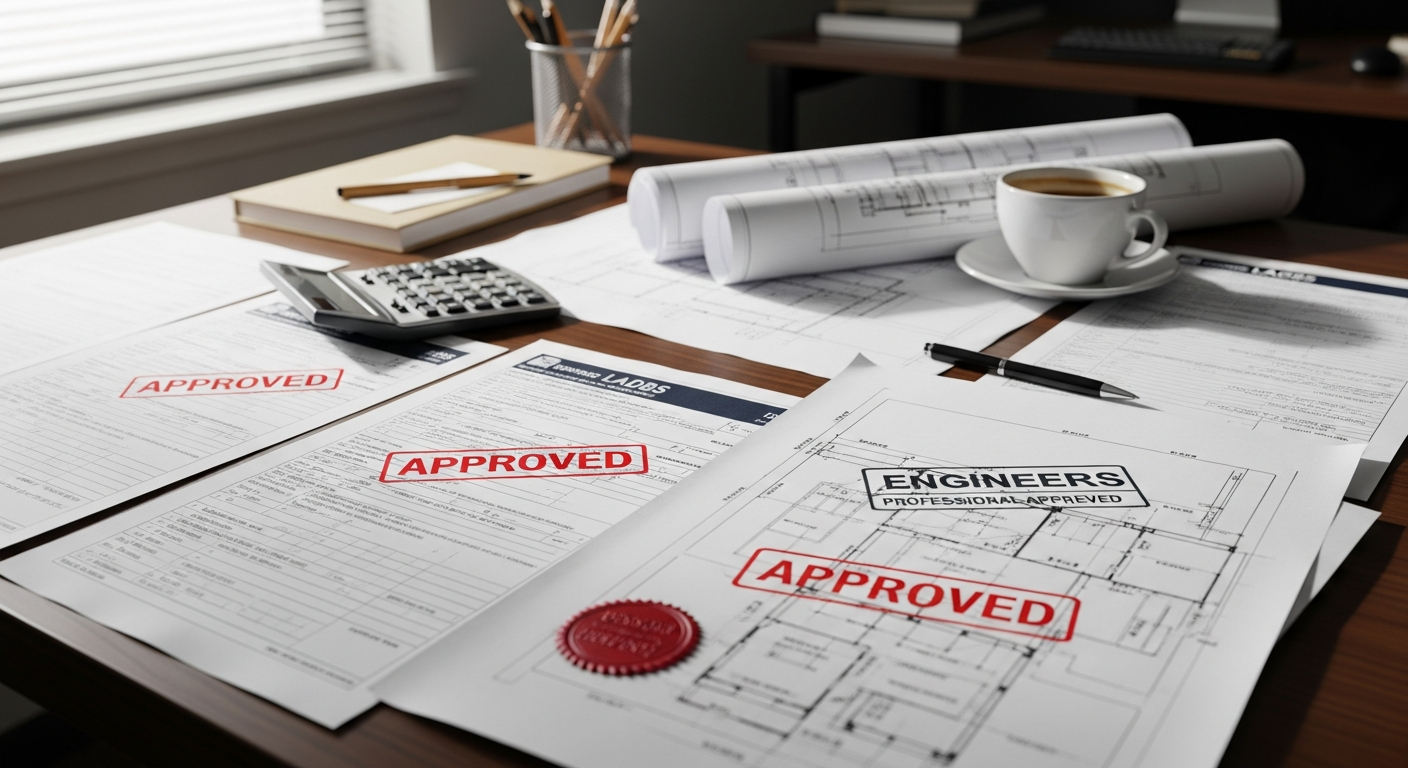
Whether you choose design-build or architect-plus-contractor, the permit process in Los Angeles is the same. LADBS reviews the plans, issues corrections, and eventually approves them for construction. The difference is who manages that back-and-forth. In a design-build arrangement, the contractor typically handles all permit coordination—submitting the plans, responding to corrections, scheduling inspections. In an architect-plus-contractor split, the architect usually submits the plans and responds to design-related corrections, but the contractor handles the construction-phase inspections and any field changes that need engineer approval. That handoff is where things can get tangled if roles aren't clear.
Title 24 energy compliance, structural calculations, and soils reports are required regardless of the delivery model. If you're adding square footage or doing bathroom remodeling that moves plumbing, the city will want engineered drawings. If you're in an HPOZ district, HPOZ clearance is a Department of City Planning item, and LADBS cannot issue the building permit until that clearance is in place. A design-build contractor familiar with your neighborhood knows these steps and builds them into the schedule. An out-of-area architect might not, and you'll discover the delay when the contractor tells you the plans can't be submitted yet.
When Design-Build Makes Sense
Design-build works well when you want a streamlined process, when the project scope is clear but the details need to be worked out in collaboration with the builder, or when you value speed and accountability over having an independent design advocate. It's a good fit for whole-house remodels where structural surprises are likely, for additions where the new work has to tie into existing framing and systems, and for projects where you trust the contractor's taste and want their input on materials and finishes from the beginning. Owners who've been through a contentious architect-contractor split before often choose design-build the second time to avoid the coordination headaches.
Design-build also makes sense when your lot or existing structure has constraints that require creative problem-solving during construction. A contractor who designed the project can adapt the plan in real time when the foundation excavation reveals unexpected soil conditions or when the existing roof framing doesn't match the original drawings. That flexibility is harder to achieve when the architect is off-site and every change requires a formal request and a markup.
When Hiring an Architect Separately Makes Sense
The architect-plus-contractor model makes sense when the design itself is the primary challenge—when you're doing a historically sensitive remodel, when you want a highly custom aesthetic that requires an architect's full attention, or when you already have an architect whose work you admire. It's also a good fit if you want the architect to act as your representative during construction, reviewing the contractor's work and confirming it matches the design intent. Some owners prefer the checks-and-balances of having two separate professionals, each accountable to the owner rather than to each other.
This model also works when you're planning a project in phases—design now, build later—and you want the flexibility to bid the completed plans to multiple contractors or to adjust the scope before construction starts. If you're not ready to commit to a builder during the design phase, hiring an architect first gives you time to refine the vision and then choose a contractor based on the finished drawings.
What Experienced Contractors Look For
When a contractor evaluates a set of architect-drawn plans for bid, they're looking for completeness—are the structural details called out, are the mechanical and electrical systems coordinated, are the finishes specified clearly enough to price accurately? They're also looking for constructability—can this roof tie-in actually be framed the way it's drawn, does this window placement work with the existing studs, will this kitchen layout meet the plumbing code without rerouting the main drain? Plans that answer those questions get tighter bids. Plans that leave those questions open get bids with contingency built in, because the contractor knows changes are coming.
Contractors also look at whether the architect has worked in Los Angeles recently. An architect who practices primarily in another state might produce a beautiful design that doesn't align with California Title 24, LADBS detailing standards, or local seismic requirements. That's not a fatal flaw—it just means the contractor will be doing more coordination with the engineer and more back-and-forth during permit corrections. A design-build contractor avoids that friction because the designer already knows what the city expects.
How Hillstar Handles Both Models
Hillstar Construction Inc works both ways. When an owner wants design-build, we bring in our design team early, walk the property together, and develop a plan that reflects both the owner's vision and the realities of the existing structure. The design evolves through collaboration, and by the time we submit for permits, everyone knows what's being built and why. When an owner hires an architect separately, we review the plans during the bidding phase, flag any constructability concerns, and work with the architect to resolve them before we start. Either way, the goal is the same—get the project permitted, built correctly, and finished without surprises that derail the schedule or the scope.
What separates organized projects from frustrating ones is clarity about who's responsible for what. In design-build, that's simple—the contractor owns the outcome. In the architect-plus-contractor model, it requires clear contracts, regular communication, and an owner who's willing to coordinate between two professionals who each bring valuable expertise but who aren't naturally aligned. Both models work when the team is experienced and the roles are defined. Both models fail when assumptions replace documentation and when no one's willing to address conflicts early.
FAQ
Does design-build cost more than hiring an architect and contractor separately?
Not necessarily. Design-build often reduces change orders because the builder is involved from the start and can flag cost drivers during design. The architect-plus-contractor model can result in competitive bids, but those bids may include contingency if the plans leave details unresolved. The total scope depends more on the project complexity than the delivery model.
Can I still get a custom design with design-build?
Yes. A good design-build contractor employs or partners with talented designers who create custom solutions. The difference is that the designer and builder are working together from day one, so the design reflects both aesthetic goals and constructability. You're not sacrificing creativity—you're gaining a design that's informed by building experience.
What happens if the architect's design exceeds my realistic scope?
If you hired the architect separately, you'll need to work with both the architect and the contractor to value-engineer the design—identify where scope can be reduced or materials substituted to bring the project in line with your goals. In a design-build model, that conversation happens during the design phase, before the drawings are finalized, so you're not surprised by the scope after the plans are done.
Who handles LADBS permit corrections in each model?
In design-build, the contractor typically manages all permit coordination, including responding to LADBS corrections. In the architect-plus-contractor split, the architect usually handles design-related corrections and the contractor handles construction-phase coordination. Clear contracts should define who's responsible for each type of correction to avoid confusion when the city issues a revision request.