Tight Streets and Parking During a Complete Remodel in Woodland Hills
Tight street logistics during a complete remodel in Woodland Hills means planning where the dumpster sits, where material deliveries stage, where workers park, and how the contractor keeps the project moving when the street offers no extra room. Experienced contractors walk the site and the block before signing the contract, confirm parking rules with the city, and build a staging plan that keeps neighbors happy and inspectors satisfied.
Get the free Contractor Bid Comparison Checklist
Print it, put it next to your proposals, and find out what each bid actually includes - line by line, before you sign anything.
Get the free checklistWhat 'Tight Street Logistics' Actually Means in Woodland Hills
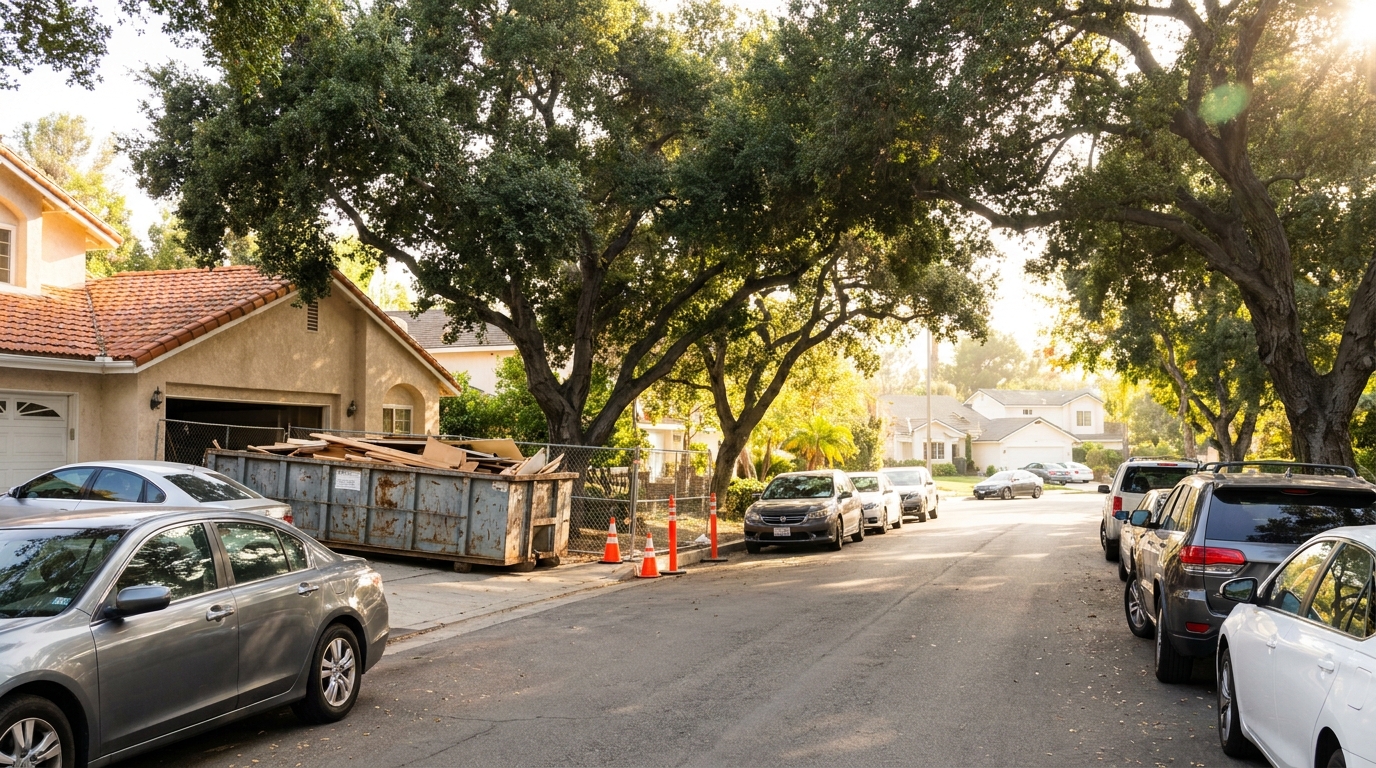
Tight street logistics means the contractor must solve where the dumpster goes, where the lumber truck unloads, where the crew parks, and where the inspector parks when every curb is already occupied and the street is too narrow for two-way traffic past a parked truck. Woodland Hills streets built in the 1950s and 1960s were not designed for construction staging, and many blocks have no driveways wide enough to hold a full-size dumpster off the public right-of-way.
The contractor who walks the block before signing the contract sees what the homeowner often misses: the fire hydrant twenty feet from the driveway, the narrow turn radius at the corner, the neighbor's hedge that overhangs the curb. Those observations shape the staging plan and the delivery schedule for a home remodel.
- Dumpster placement that complies with LADBS permit conditions and does not block driveways, hydrants, or crosswalks.
- Material staging that keeps lumber, drywall, and fixtures off the public sidewalk.
- Crew parking that does not trigger complaints or citations.
- Delivery coordination so the concrete truck, the roofing supplier, and the drywall flatbed do not arrive on the same morning.
Comparing contractors for this project?
The free checklist walks you through every line a complete proposal should carry, so you can compare bids on scope instead of price alone.
Get the free checklistWhere Homeowners Trip Up Before the First Truck Arrives
Homeowners trip up when they assume the contractor will figure out logistics on the fly, when they do not ask about the dumpster permit before signing, and when they do not walk the block with the contractor to confirm what the street actually offers. The assumption that the dumpster simply appears and the crew simply parks leads to surprises the first week: a citation from the city, a neighbor complaint, or a delivery truck that cannot turn around.
The other common mistake is not confirming who pulls the dumpster permit and who pays the fee. LADBS requires a permit for any dumpster or construction equipment placed in the public right-of-way. Hillstar Construction Inc, led by Lior Mazor, who brings over 40 years of hands-on construction experience, walks every Woodland Hills site before contract signing and confirms dumpster placement, staging access, and parking availability as part of the pre-construction plan.
- Not asking where the dumpster will sit and whether the placement requires a city permit.
- Not confirming crew parking rules and whether the block has posted restrictions.
- Not discussing delivery schedules and whether the driveway can accommodate a concrete truck.
- Not walking the block with the contractor to see what the street looks like when every curb is full.
What to Ask the Contractor Before Signing the Contract
Ask the contractor where the dumpster will sit, who pulls the dumpster permit, how deliveries will be scheduled, and where the crew will park for the duration of the project. Those four questions surface whether the contractor has walked the site and planned the logistics or whether the contractor is assuming the street will accommodate whatever shows up. The contractor who answers with specifics has done the walkthrough.
Ask whether the driveway is wide enough and strong enough to hold the dumpster and whether the contractor has confirmed the street-sweeping schedule.
- Where exactly will the dumpster sit, and does that placement require a permit from LADBS?
- Who is responsible for pulling the dumpster permit, and is the permit fee included in the contract?
- How will material deliveries be scheduled, and will the contractor notify neighbors in advance?
- Where will the crew park, and has the contractor confirmed that the block allows all-day parking?
- What is the plan if the inspector arrives on a day when the street is full?
Dumpster Permits and LADBS Requirements in Los Angeles
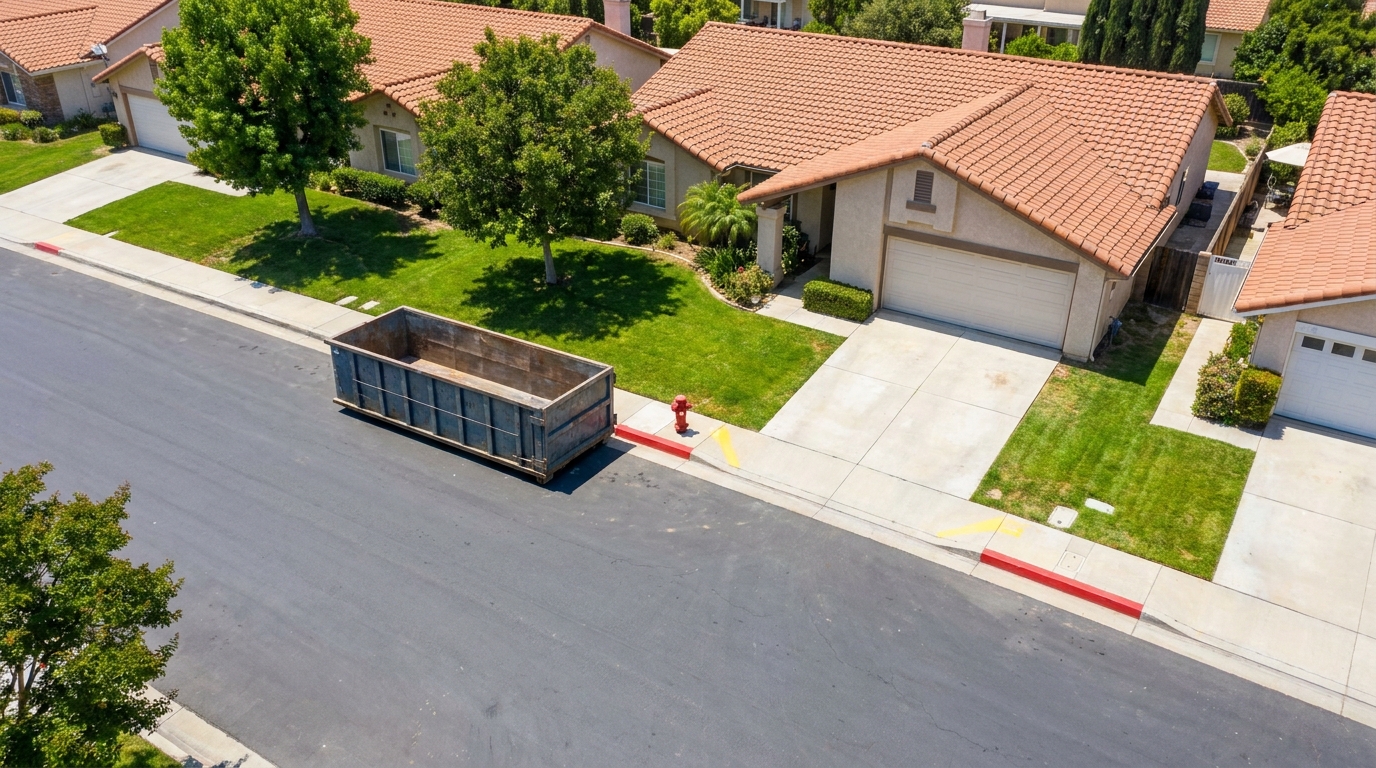
LADBS requires a permit for any dumpster, storage container, or construction equipment placed in the public right-of-way, and the permit application must show the exact location, the duration, and any traffic-control measures the placement requires. The permit is separate from the building permit, and the dumpster company will not drop the bin before seeing the city approval. The contractor pulls the permit as part of pre-construction planning.
The permit application requires a site diagram that shows the dumpster placement relative to driveways, hydrants, crosswalks, and the edge of the traveled lane. LADBS reviews the diagram to confirm the placement does not create a hazard or block emergency access.
Crew Parking and Neighbor Relations During a Multi-Month Project
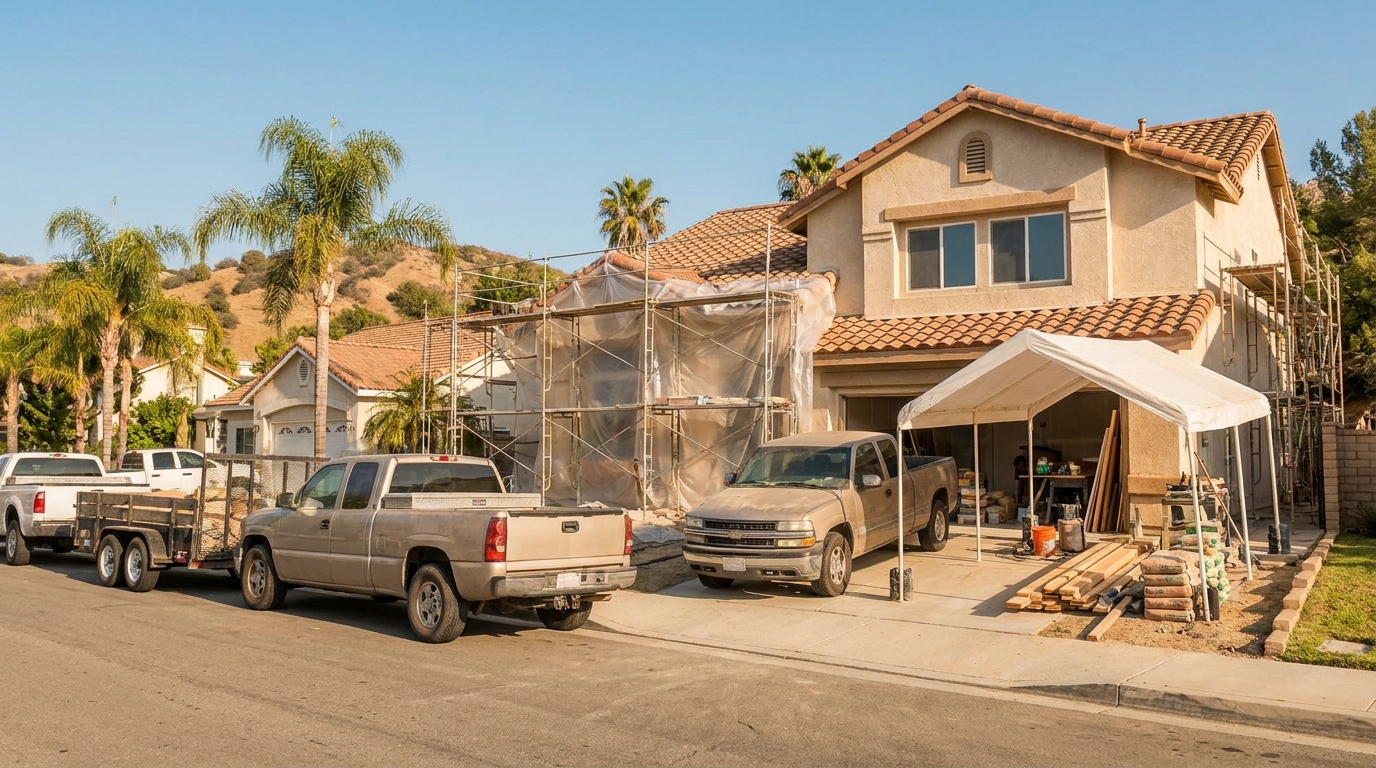
Crew parking becomes a friction point when the project runs for months and the crew takes the same curb spaces every morning. Woodland Hills blocks with no driveways and limited street parking see tension rise when neighbors cannot park in front of their own homes. The contractor who discusses parking with the homeowner and the immediate neighbors before the project starts avoids complaints that escalate to the city or the HOA.
The contractor confirms where the crew can park legally, asks the crew to avoid blocking driveways or taking spaces directly in front of neighboring homes, and rotates parking locations when the block is tight.
Material Deliveries and Staging When the Driveway Is Not an Option
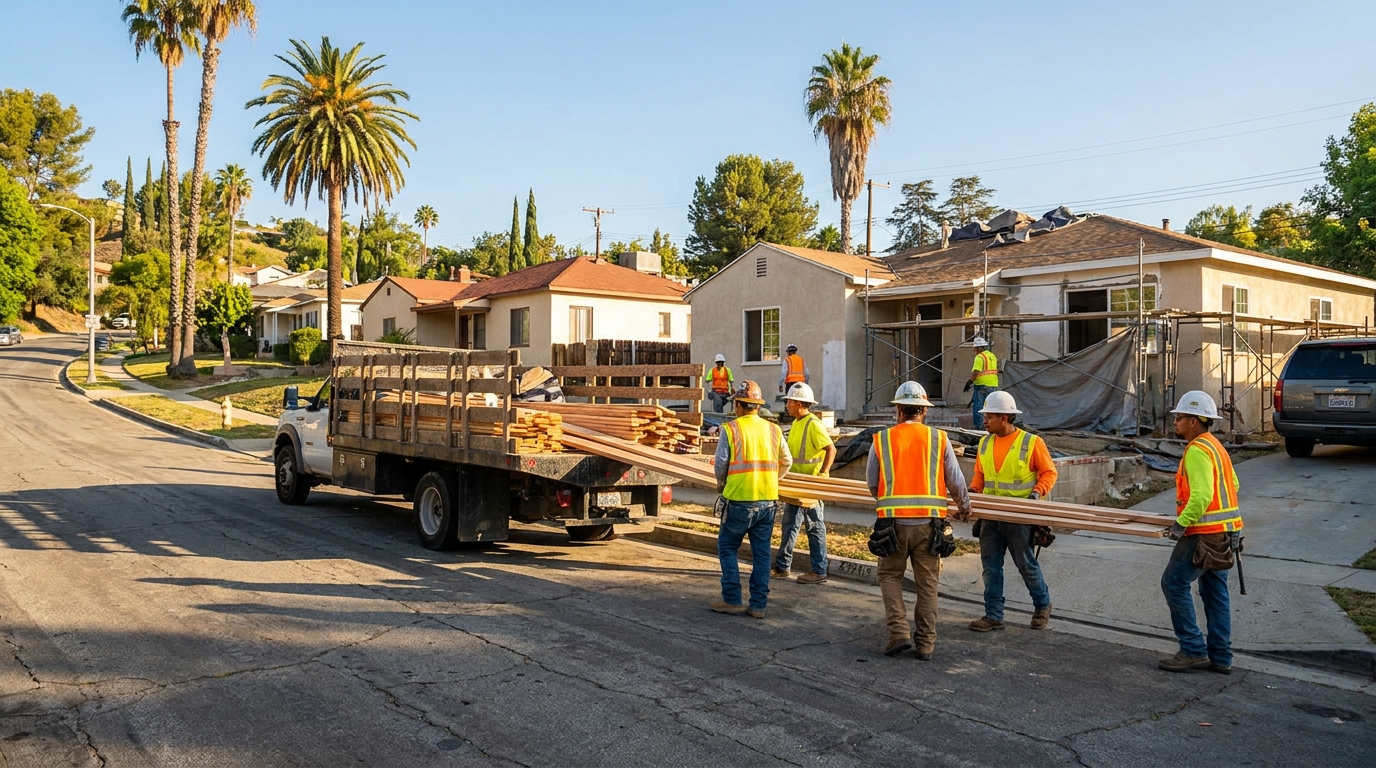
Material deliveries present the largest logistics challenge when the driveway cannot accommodate a concrete truck, a lumber flatbed, or a drywall delivery, and the street is too narrow for the truck to stage easily. The contractor coordinates deliveries in advance, confirms the truck size and turning radius with the supplier, and arranges for the crew to be on-site to unload immediately so the truck does not sit in the street longer than necessary.
On tight Woodland Hills streets, the contractor may schedule concrete pours early in the morning before traffic builds, may ask the lumber supplier to send a smaller truck that can navigate the turn, or may hand-carry material from the curb to the staging area. Kitchen remodeling and bathroom remodeling projects generate fewer large deliveries than a full home remodeling project, but even a vanity cabinet needs a place to sit while the crew brings it inside.
What Experienced Contractors Look for During the Pre-Construction Walkthrough
Experienced contractors walk the block, not just the property, during the pre-construction walkthrough. They note the width of the street, the location of hydrants and crosswalks, the presence of overhead wires that limit crane or boom-truck access, the grade of the driveway, and the condition of the curb and gutter. They look for posted parking restrictions, street-sweeping schedules, and any signs indicating permit-only parking or time limits.
They also look at the neighbors' properties to see whether construction next door or across the street is already occupying curb space or staging areas.
- Street width and whether a delivery truck can pass a parked dumpster.
- Hydrant and crosswalk locations that restrict where the dumpster can legally sit.
- Driveway grade and turning radius for concrete trucks and material deliveries.
- Posted parking restrictions and street-sweeping schedules.
- Overhead wires or tree canopy that limit crane or boom-truck access for roofing or large material lifts.
- HOA rules and neighbor proximity that shape construction hours and staging etiquette.
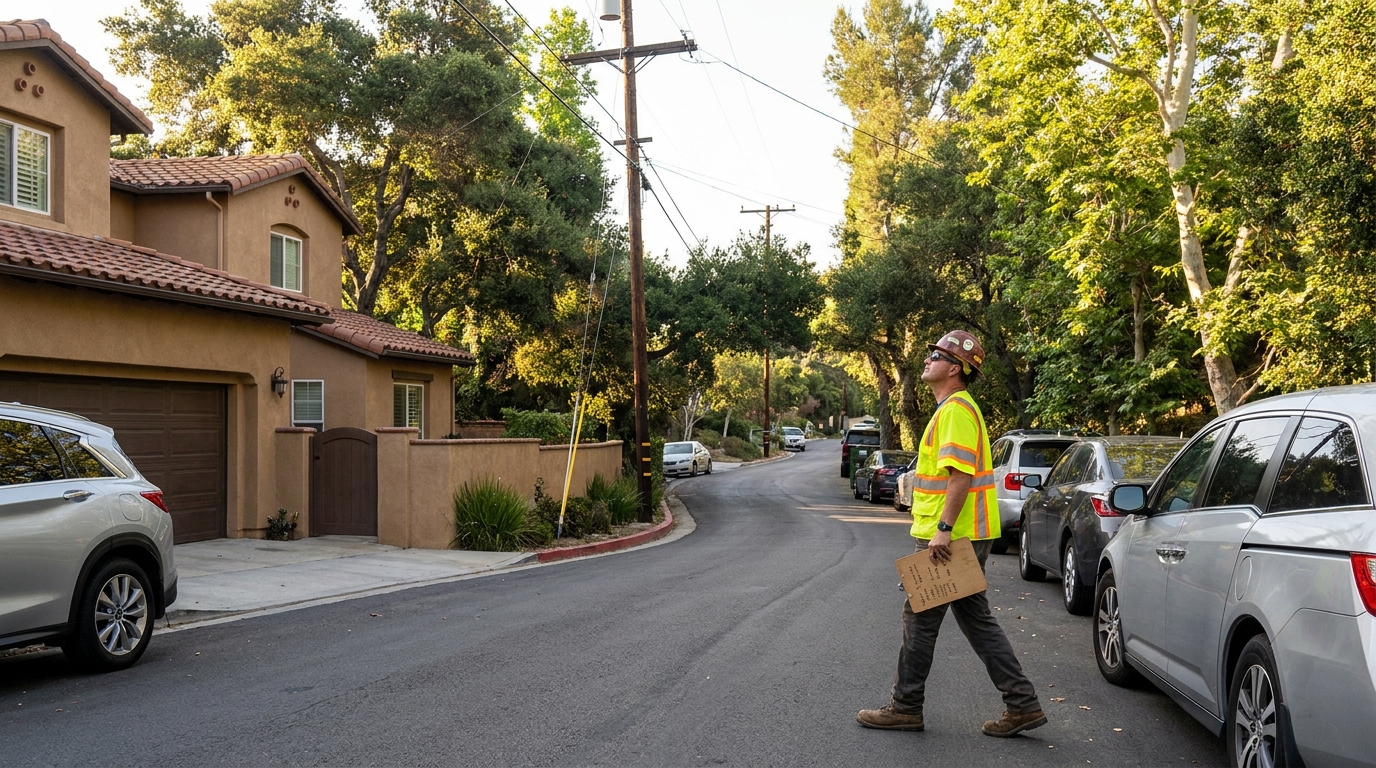
How Hillstar Construction Inc Plans Logistics for Woodland Hills Remodels
Hillstar Construction Inc plans logistics by walking the site and the block before the contract is signed, pulling the dumpster permit as part of pre-construction coordination, scheduling deliveries in advance with suppliers who understand tight-street access, and maintaining communication with neighbors throughout the project. The logistics plan is a written document the homeowner reviews before construction starts, and it includes dumpster placement, crew parking locations, delivery schedules, and the contact protocol for any issues that arise.
The company pulls the LADBS dumpster permit, confirms placement with the homeowner, and coordinates the dumpster drop with the permit approval date. The crew is briefed on parking rules before the first day, and the project manager checks parking compliance throughout the job.
What Happens When Logistics Are Not Planned in Advance
When logistics are not planned in advance, the project starts with a dumpster dropped in a location that blocks a hydrant or a driveway, a citation from the city, a neighbor complaint to the HOA, or a delivery truck that cannot access the site and returns to the yard with the material still on board. Those delays cost days, generate friction, and signal to the homeowner that the contractor did not do the walkthrough or did not take the site conditions seriously.
The dumpster that sits in the street and lacks the required permit gets tagged by the city, and the contractor must move it and apply for the permit, which delays debris removal. The crew that parks illegally or blocks driveways generates complaints that escalate to the city or the HOA.
FAQ
Does the dumpster permit come from LADBS or from the city's transportation department?
The dumpster permit for placement in the public right-of-way comes from LADBS. The permit application requires a site diagram showing the exact placement, and LADBS reviews it to confirm the placement does not block hydrants, driveways, or emergency access.
Can the contractor place the dumpster in the driveway instead of the street?
The contractor can place the dumpster in the driveway if the driveway is wide enough, strong enough to support the loaded weight, and does not block garage access the homeowner needs during the project. Many Woodland Hills driveways cannot meet all three conditions, so street placement with a permit is the more common solution.
What happens if a neighbor complains about crew parking during the remodel?
If a neighbor complains about crew parking, the contractor confirms the crew is parking legally, asks the crew to avoid spaces directly in front of the neighbor's home, and rotates parking locations when possible. If the complaint escalates to the city or the HOA, the contractor provides documentation that the crew is complying with posted restrictions.
How far in advance should material deliveries be scheduled for a tight Woodland Hills street?
Material deliveries should be scheduled as soon as the project timeline is confirmed, and the contractor should provide the supplier with site access details, truck size limits, and a contact number for the day of delivery. Scheduling in advance allows the supplier to send the right truck and avoid delays caused by access issues discovered on delivery day.
Ask AI Mickey about your project
Still have a question after reading? Ask. AI Mickey is Hillstar Construction Inc's AI assistant for homeowners — planning, hiring, and what to expect from a remodel. There is nothing to sign up for and no email required.
Before you go
The article is free and it stays free — come back to it whenever you need it. If you would like to know the people who wrote it, or keep it close, these doors are open. There is no form behind any of them.