
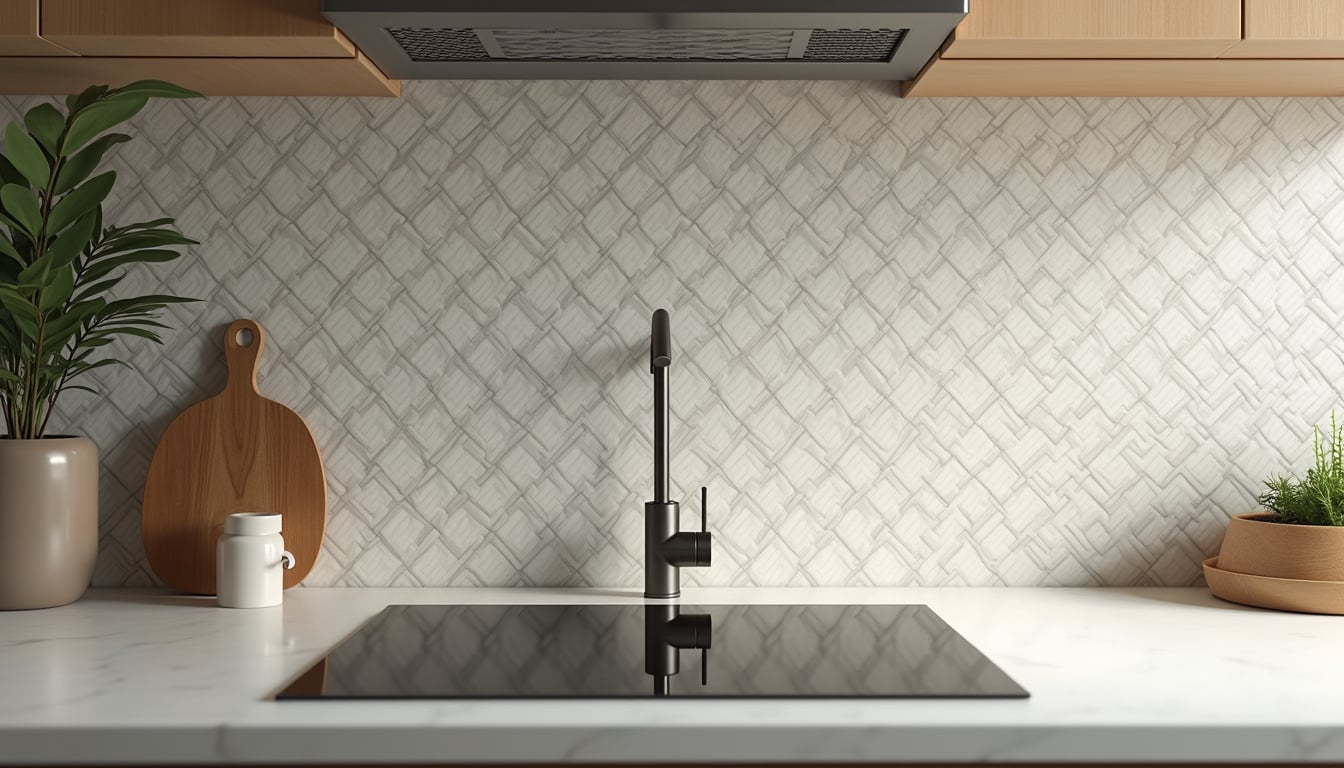
The transformation of residential spaces through tile work has long been recognized as a method to enhance both aesthetic appeal and functional durability. The use of tiles in home remodeling projects offers a unique opportunity to blend artistry with practicality. This article explores the impact of custom tiling solutions on residential environments, focusing on how tailored tile installations can elevate the character and utility of living spaces.
The Role of Custom Tiling Solutions in Residential Remodeling
Custom tiling solutions provide homeowners with the ability to personalize their living spaces in ways that standard tile options cannot match. By selecting specific materials, patterns, and layouts, a home can be imbued with a distinctive character that reflects the owner's taste and lifestyle. These solutions often involve a collaborative process between the homeowner and the installer, ensuring that the final product aligns with the envisioned design.
The versatility of tile as a material allows for its application in various areas of the home, including kitchens, bathrooms, entryways, and even outdoor patios. Each location benefits from the durability and ease of maintenance that tiles offer. Moreover, the wide range of available tile types—such as ceramic, porcelain, natural stone, and glass—enables the creation of diverse textures and finishes.
Incorporating custom tiling solutions can also address specific functional needs. For example, slip-resistant tiles may be chosen for wet areas, while heat-resistant tiles are suitable for kitchen backsplashes. The adaptability of tile materials and installation techniques ensures that both aesthetic and practical considerations are met.
Selecting the Right Materials and Designs for Custom Tiling Solutions
The selection of materials and designs is a critical step in achieving a successful tile installation. It requires an understanding of the properties of different tile types and how they interact with the environment in which they are placed. For instance, porcelain tiles are known for their strength and low porosity, making them ideal for high-traffic areas. In contrast, natural stone tiles such as marble or travertine offer a luxurious appearance but may require more maintenance.
Design considerations include color schemes, tile size, and pattern arrangements. Large-format tiles can create a sense of spaciousness, while smaller tiles may be used to form intricate mosaics or borders. Patterns such as herringbone, basketweave, or subway tile layouts contribute to the overall visual impact.
It is advisable to consider the existing architectural elements and color palette of the home when selecting tile designs. Harmonizing the tile work with cabinetry, countertops, and flooring can result in a cohesive and balanced interior.
How Much Does It Cost for Someone to Install Tiles?
Understanding the cost implications of tile installation is essential for effective project planning. Several factors influence the overall expense, including the type of tile chosen, the complexity of the design, the size of the area to be covered, and labor rates in the region.
Material costs vary widely; for example, ceramic tiles tend to be more affordable than natural stone or custom glass tiles. Additionally, intricate patterns or the use of multiple tile types can increase both material and labor costs due to the additional time and skill required.
Labor costs are influenced by the installer’s expertise and the difficulty of the installation. Preparing the surface, cutting tiles to fit irregular spaces, and applying grout and sealants are tasks that require precision and experience.
On average, tile installation costs in residential settings range from $5 to $15 per square foot, inclusive of materials and labor. However, custom projects with specialized designs or premium materials may exceed this range.
Budgeting for tile installation should also account for potential additional expenses such as removal of existing flooring, subfloor repairs, and sealing treatments.

Benefits of Professional Custom Tile Installation
Engaging a professional for custom tile installation ensures that the project is executed with precision and adherence to industry standards. Professionals bring expertise in surface preparation, tile layout planning, and the use of appropriate adhesives and grouts.
A well-executed tile installation contributes to the longevity and performance of the tiled surface. Proper sealing and finishing prevent moisture infiltration and staining, which are common issues in wet areas.
Moreover, professional installers can provide valuable advice on maintenance practices and recommend suitable products to preserve the appearance and integrity of the tiles.
The investment in professional services often results in cost savings over time by reducing the need for repairs and replacements.
It is worth noting that custom tile installation services can be tailored to meet specific project requirements, ensuring that the final outcome aligns with the homeowner’s vision and functional needs.
Enhancing Home Value and Aesthetic Appeal Through Custom Tiling
Custom tile installations contribute significantly to the perceived value of a home. High-quality tile work is often regarded as a desirable feature by potential buyers, particularly when it enhances key areas such as kitchens and bathrooms.
The aesthetic appeal of custom tiling can transform ordinary spaces into focal points of design excellence. For example, a carefully designed tile backsplash can serve as an artistic element, while tiled shower walls can create a spa-like atmosphere.
In addition to visual enhancement, tiles offer practical benefits such as durability, ease of cleaning, and resistance to wear. These attributes make tile an excellent choice for homeowners seeking long-term value.
When planning a remodeling project, consideration of tile placement and design can maximize both the functional and aesthetic returns on investment.
Final Thoughts on Custom Tiling Solutions for Residential Spaces
The integration of custom tiling solutions in residential remodeling projects represents a strategic approach to enhancing both the beauty and functionality of a home. Through careful selection of materials, designs, and professional installation, tile work can be transformed from a mere surface covering into a defining feature of the living environment.
Attention to detail and adherence to best practices in tile installation contribute to the durability and lasting appeal of the finished product. As such, custom tile installations are a worthwhile consideration for homeowners seeking to elevate their spaces with quality craftsmanship and thoughtful design.
The process of transforming a home with custom tile work requires planning, expertise, and collaboration. When executed effectively, the results are spaces that not only meet practical needs but also reflect a refined sense of style and individuality.