Electrical Panel Upgrades for Los Angeles Homes: When and Why
When a Los Angeles home needs an electrical service-panel upgrade, what the upgrade actually involves, how it interacts with LADWP and LADBS, and why panels show up in so many remodel scopes.
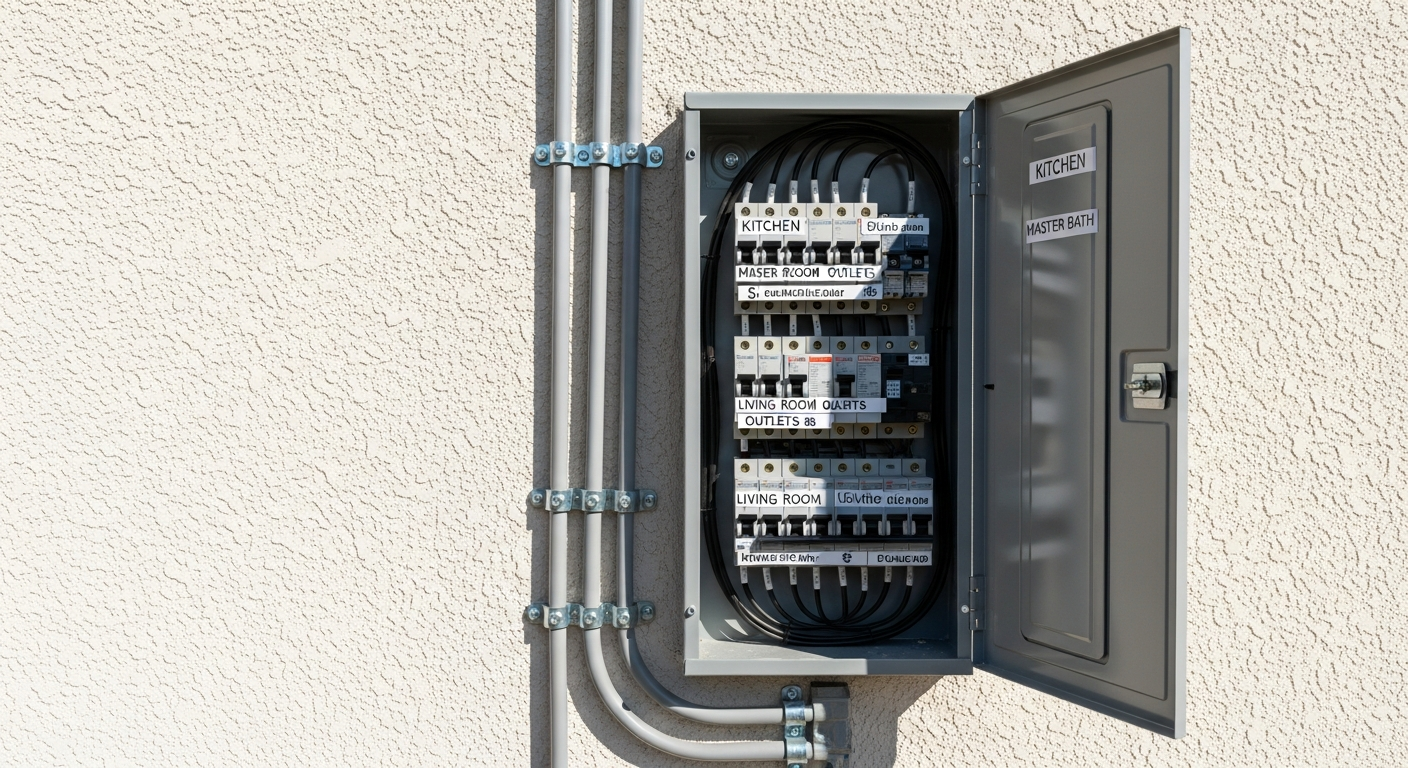
An electrical service panel — the metal box on the side of the house with all the breakers — is one of those parts of a Los Angeles home that goes unnoticed for decades and then suddenly needs attention. The trigger is usually something specific: an EV charger, a new heat pump, an ADU, a kitchen remodel that adds an induction range, or a panel that's just too old to permit new circuits into. This post walks through when an upgrade actually makes sense, what's involved, and how it fits with the rest of the work on a typical LA project.
Why panels need upgrading
Older LA homes were wired for a household with very different electrical demands than the average household today. A 60-amp or 100-amp panel was reasonable for a 1950s ranch with a gas range, no air conditioning, and a single TV. The same panel is uncomfortably small for a 2020s household with electric induction, central HVAC or a heat pump, EV charging, and a home office stack.
- Capacity — the panel is full or near-full, and there's no room for a new circuit without sacrificing an existing one.
- Age — fuse boxes and certain older breaker brands are flagged at inspection or by insurance carriers, regardless of how well they've been maintained.
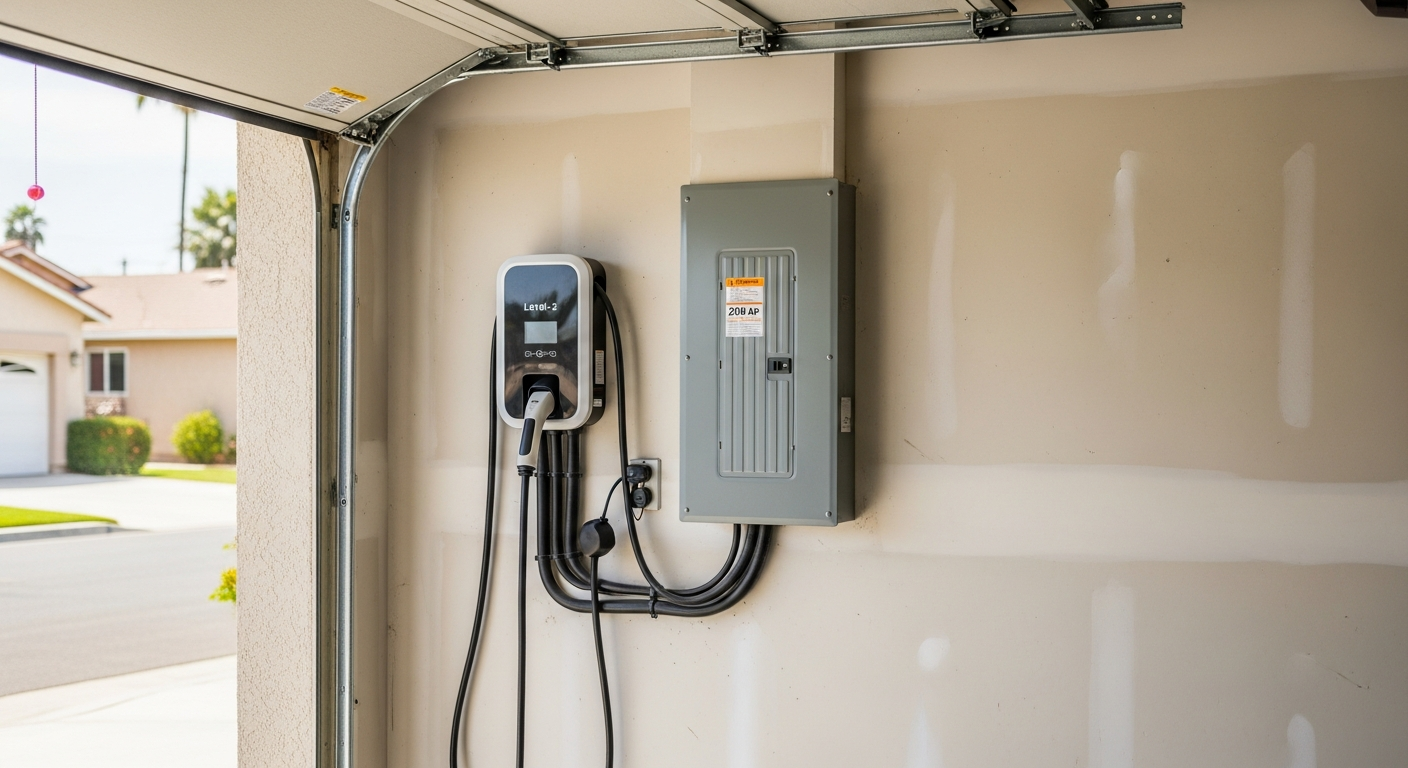
- EV charging — a Level 2 EV charger is a 240-volt circuit that pulls 30–50 amps of dedicated capacity, and many older panels can't host it without an upgrade.
- Heat-pump conversion — replacing a gas furnace and gas water heater with electric heat pumps usually adds a meaningful chunk of new electrical load.
- ADU or junior ADU — a separate subpanel feeding an ADU is a common scope, and the main panel often needs upsizing to support it.
- Kitchen and laundry upgrades — induction ranges, electric ovens, and modern dryers each draw enough that adding all three to an older panel is a tight fit.
From 100 amps to 200 amps — what actually changes
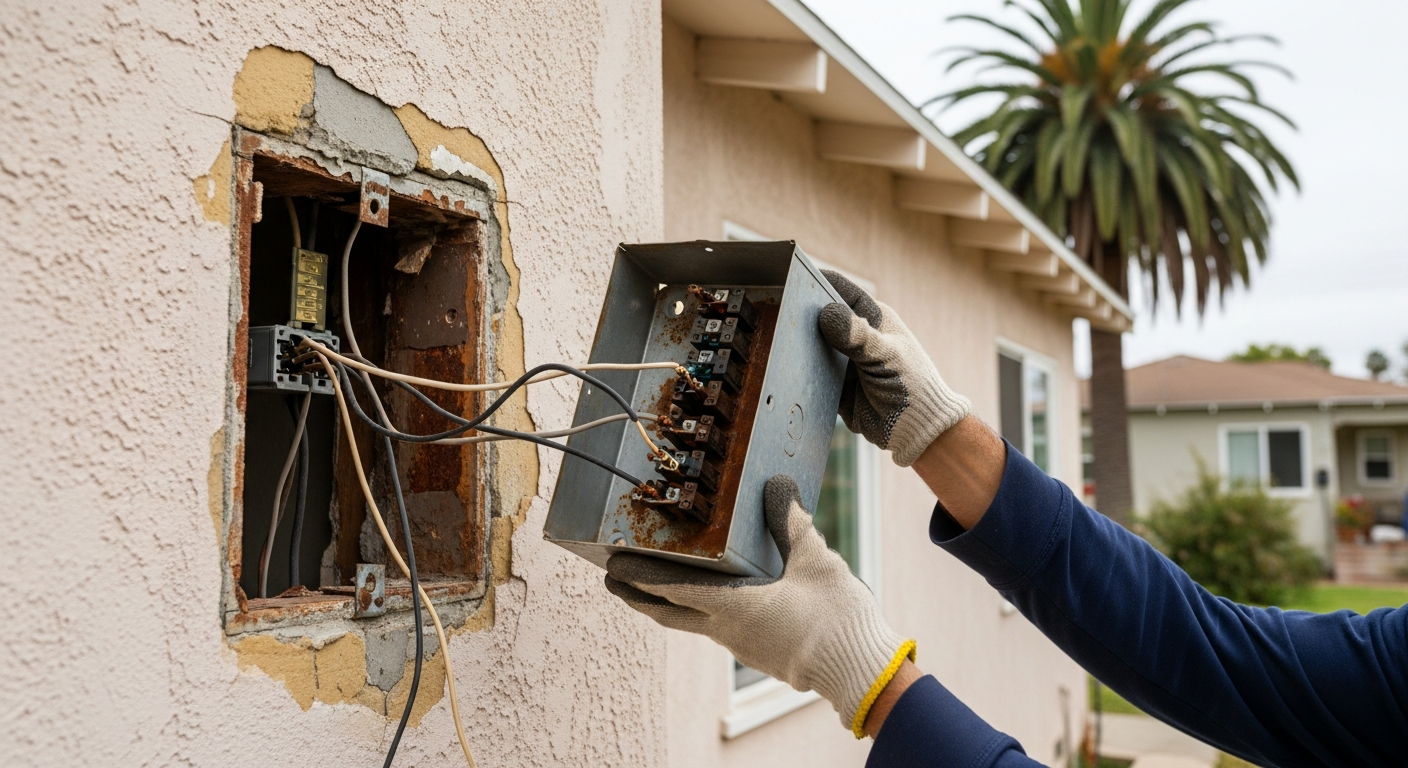
The most common LA upgrade is from a 100-amp service to a 200-amp service. The number refers to the maximum current the main breaker is sized for, and it sets the ceiling on how much electrical load the house can host. The visible work is the panel itself, but several other components are usually replaced together because the upgrade is the right time to do it.
- The service panel itself — the box with the breakers, sized to the new capacity.
- The main breaker — sized to match the new service.
- The meter base or meter socket — often replaced because the older socket is rated for the older service.
- The service entrance conductors — the cables coming from the utility's drop into the meter, usually upsized.
- The grounding electrode system — the ground rod or rods, the bonding to the water line, the bonding to gas if applicable. Often upgraded to current code at the same time.
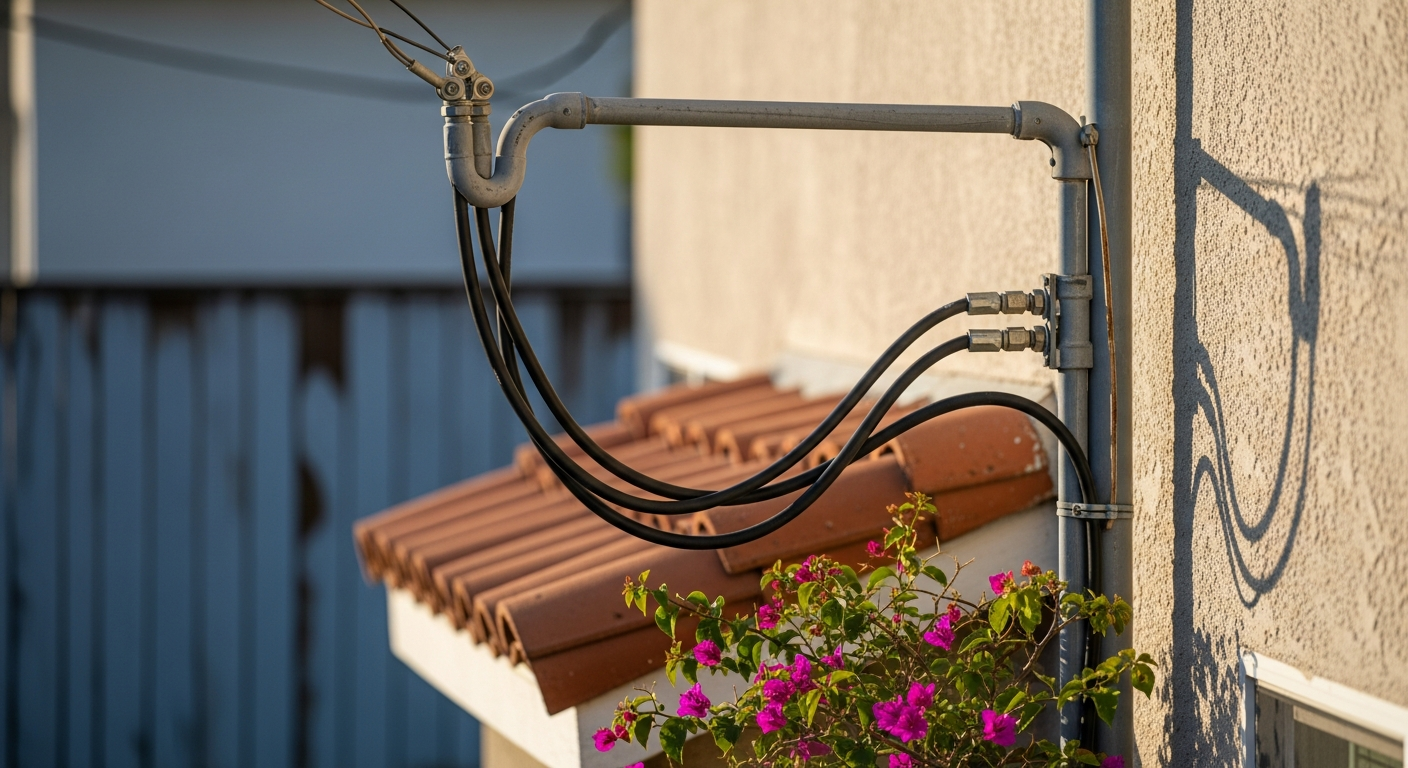
- Service mast or weatherhead, if the configuration is overhead. Often replaced when the conductors are upsized.
How LADBS and LADWP interact
A residential service-panel upgrade in Los Angeles typically involves both LADBS (the city's permit and inspection authority for the work) and LADWP (the city's electric utility, which owns the service drop from the pole or transformer to the weatherhead on the house). The contractor coordinates the two — the homeowner doesn't normally interact with LADWP directly.
- LADBS issues the electrical permit for the work and inspects the installation. The permit is pulled by the licensed electrical contractor; the homeowner sees it through the contractor.
- LADWP coordinates the temporary service interruption — the drop has to be disconnected so the meter base and service equipment can be replaced, and reconnected after inspection. Scheduling that disconnect-reconnect window is part of why these jobs usually run a single day on the homeowner-facing side.
- Anything beyond a standard residential service is confirmed with LADWP during permit prep rather than assumed. Service requirements are the utility's to set, and Hillstar Construction Inc checks the current ones for your address instead of quoting a threshold. On the LADBS side the published rule is firm: the installation has to be inspected and approved before permanent service is energised.
What the install day looks like
On a typical LA panel upgrade with no underground service complications, the install is a single day of homeowner-facing disruption. The crew arrives early, the LADWP disconnect is scheduled for a specific window, the old equipment comes off, the new panel and meter base go on, the service is re-energised, and inspection is scheduled either same-day or shortly after. The household is without power during the work — usually a window of several hours rather than a full workday — and a small generator can keep refrigerators and a few outlets alive if that matters.
Underground services, hillside-mounted panels, panels behind landscaping, and panels that need to be relocated to a different exterior wall all add complexity. Those are not the standard case but they are common enough in LA that the contractor should walk the site before quoting, not just look at a photo.
Common upgrades done at the same time
Because the panel is open, the meter is being replaced, and the LADWP coordination is already in motion, several adjacent improvements are cheaper to do during the upgrade than separately. Most contractors will ask about these on the first visit:
- An EV charger circuit run from the new panel to the garage or driveway.
- A subpanel feeder for a future ADU, garage conversion, or detached studio — even if the ADU isn't being built right now, leaving a sub-feed lug or a stubbed feeder is much cheaper than retrofitting one later.
- Whole-house surge protection at the panel.
- Generator interlock or transfer switch for portable or standby generator use.
- Updated grounding and bonding to current code if the existing system is older.
- Smart-panel or sub-metered options, if you want per-circuit visibility down the road.
When the panel doesn't need upgrading
Not every electrical complaint is a panel-capacity problem. Tripping breakers can mean a single overloaded circuit, a failing breaker, or a wiring fault — none of which are solved by replacing the whole panel. A good electrician's first step is to look at what's actually on each circuit, run a load calculation against the existing panel, and only recommend an upgrade when the calculation shows the panel is genuinely the constraint. If the panel has spare slots, the main is fine, and the issue is one heavy appliance on the wrong circuit, the fix is a circuit-level fix.
Permit, inspection, and the paperwork the homeowner keeps
After inspection passes, the homeowner ends up with three pieces of paperwork worth keeping in a folder: the permit (final-inspection signature), the inspection report, and the contractor's invoice with the panel make and model. Insurance carriers sometimes ask for the first two; future buyers and home inspectors definitely ask for them. Keeping a phone-photo of the new panel's label sticker is also useful — it's the answer to several follow-up questions years later.
Choosing the contractor
A residential panel upgrade is licensed work — a properly licensed California electrical contractor handles the permit, the LADWP coordination, and the inspection. Look for a contractor who walks the site before quoting, asks about other near-term electrical plans (EV, ADU, heat pump), and prices the upgrade with the adjacent improvements named separately so you can decide what to include and what to leave for later.
How long is the household without power?
On a typical residential upgrade, the power-off window is a portion of one workday — usually a few hours — coordinated with LADWP. The crew works to minimise the window because the inspection is scheduled around it. The exact window varies with service configuration and crew speed, so the contractor walks through the day's sequence before scheduling.
Can a renter request a panel upgrade?
Service-panel work is a property-owner decision because it affects the building's electrical service, the meter, and the utility's connection to the property. A renter who needs more capacity (for example, for an EV charger) usually works through the owner or property manager, who decides whether to commission the upgrade.