
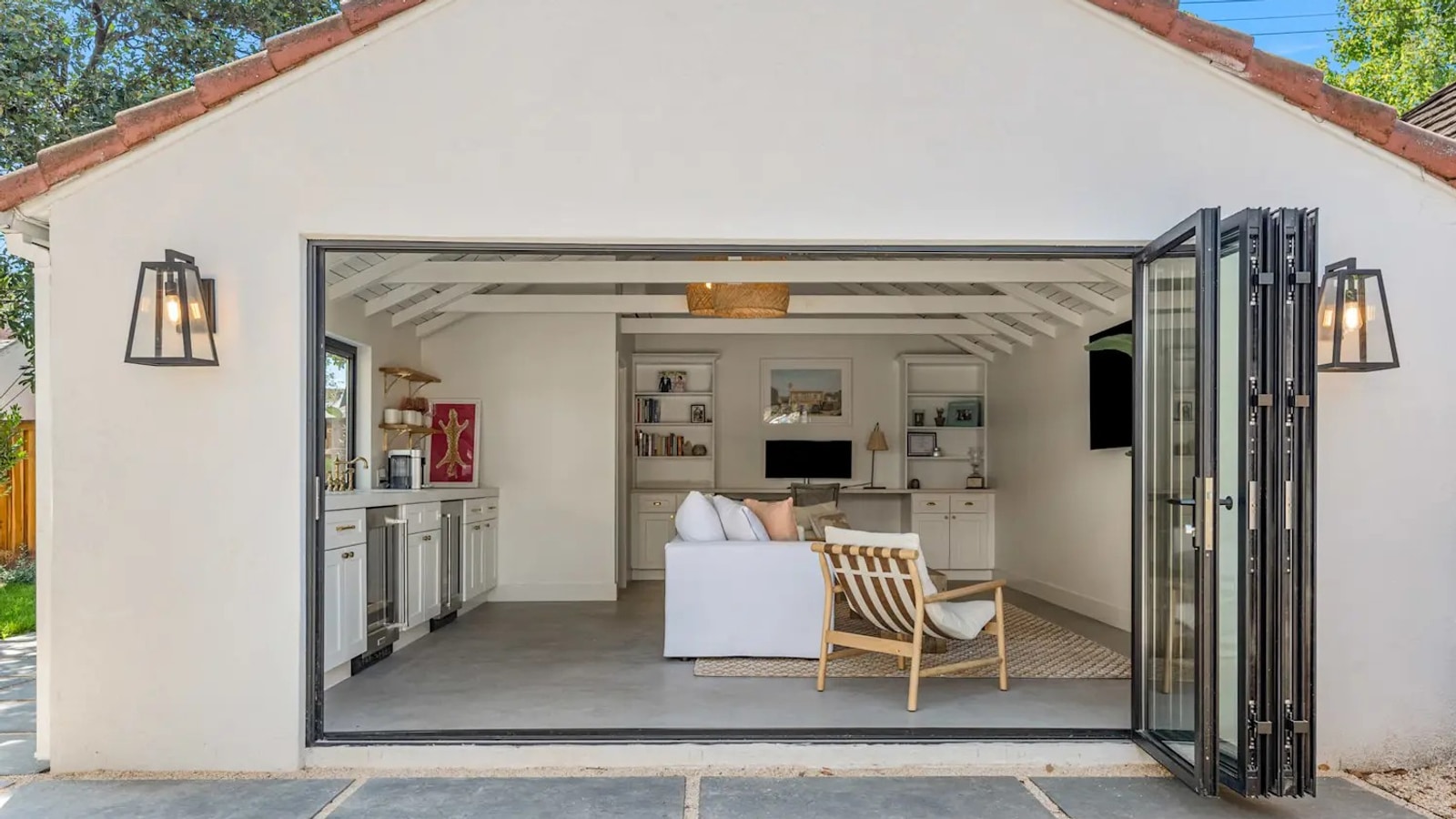
Two of the most common ways Los Angeles homeowners add usable square footage are a garage conversion and a JADU (Junior Accessory Dwelling Unit). The two get talked about as if they are the same project, but they are different from a permitting and code standpoint, and the difference matters before any contractor sets foot on the property. This post walks through what each one is, where they overlap, and what the work actually looks like.
Garage conversion: turning existing square footage into living space
A garage conversion takes an existing garage — attached or detached — and converts it into habitable living space. The footprint is already there. The slab is usually already there. What changes is everything that makes the space code-legal as a habitable room: insulation, drywall, electrical, plumbing if a kitchen or bathroom is added, windows, a code-compliant entry, and a finished interior.
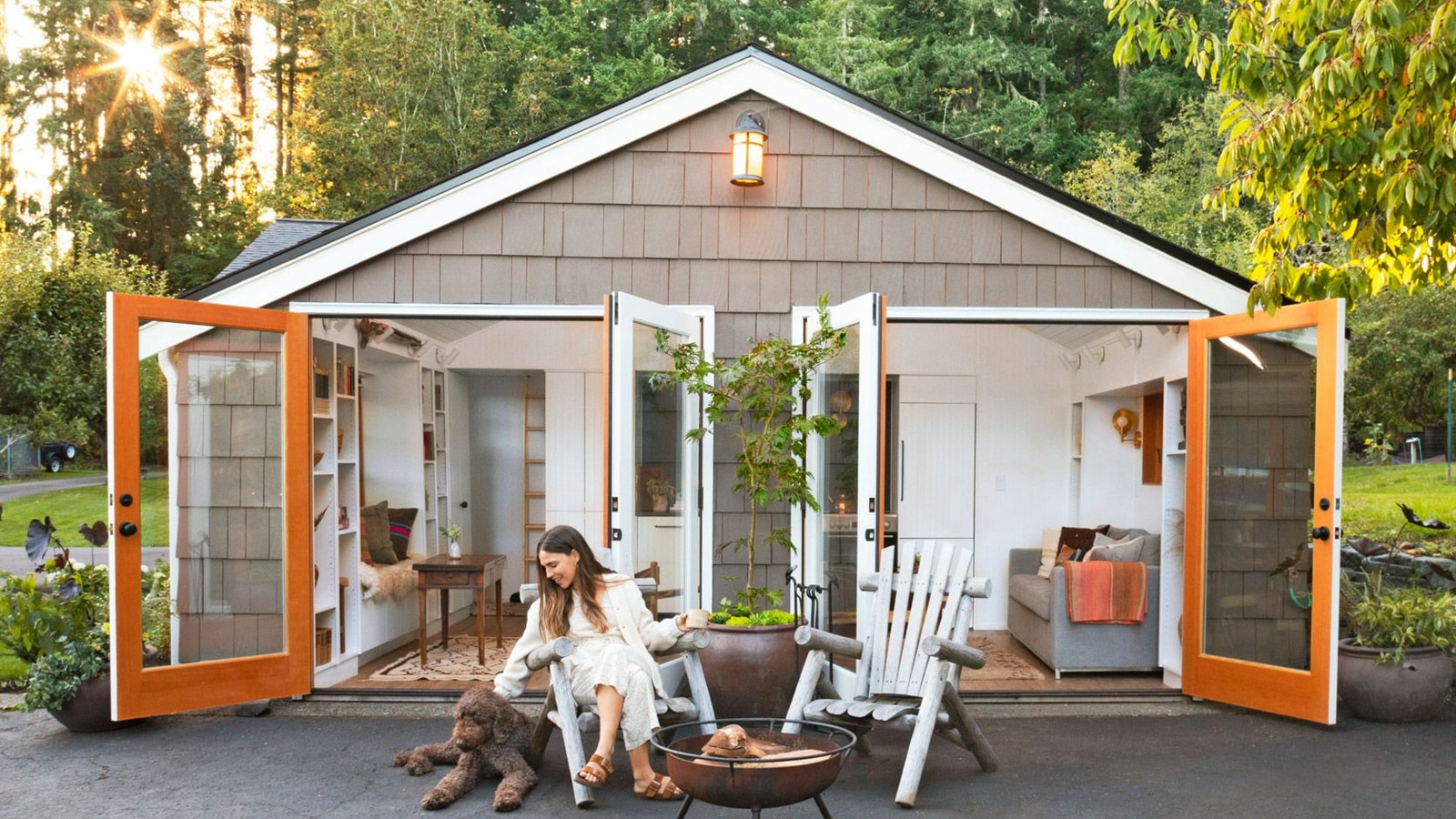
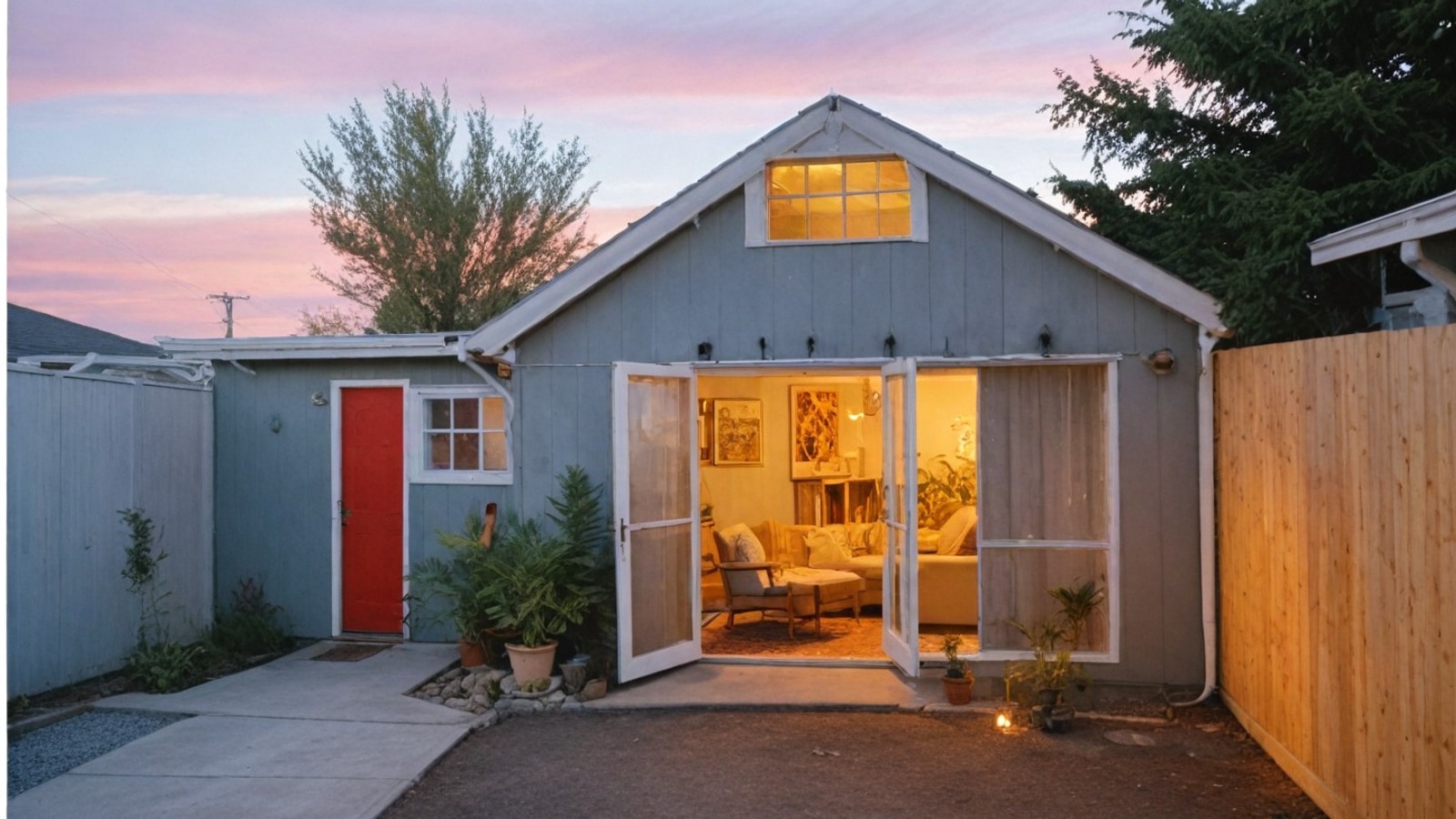
In Los Angeles, a garage converted to a full ADU is treated as a garage conversion ADU under state ADU rules. It can include a kitchen, a bathroom, a separate entrance, and is permitted as an independent dwelling unit. The original garage door is typically replaced with a wall, windows, or French doors, depending on the design.
JADU: a junior unit carved out of the primary home
A JADU is a smaller, junior-sized unit created inside the existing footprint of the primary home, up to a state-defined size cap. It can be built into a converted bedroom, a converted attached garage that shares a wall with the house, or another portion of the primary dwelling. The entry, kitchen and bathroom requirements that apply to a JADU are set out in the ADU and JADU standards LADBS publishes, so confirm the current details there before designing around them.
The bounded footprint and the shared-wall requirement are what set a JADU apart from a standalone ADU. Because it lives inside the primary home, the work is carpentry-and-finishes heavy and lighter on site work — but the design has to thread carefully through the existing structure.

Where the two get confused
An attached garage conversion and a JADU can look almost identical to a homeowner standing in the driveway. Both reuse existing walls. Both deliver a self-contained interior space. The legal classification, however, drives the permit path, the plan-check requirements, and what is allowed inside the unit:
- A garage conversion ADU can be a full independent dwelling with its own kitchen and bathroom, regardless of whether it is attached or detached.
- A JADU is bounded by size limits, remains part of the primary home, and follows the JADU-specific kitchen and bathroom rules in the standards LADBS publishes.
- A JADU is created within the primary home, so a detached garage standing alone in the backyard is normally converted as a garage conversion ADU rather than a JADU. Confirm the path for your property before you design around it.
Before signing anything, confirm with the contractor which classification the project will be permitted under. The same physical garage can sometimes be permitted either way, and the right path depends on the lot, the existing structure, and what the homeowner wants the finished space to do.
What the work itself looks like
Whether the project is permitted as a garage conversion ADU or a JADU, the construction sequence on the inside is similar. The differences live in the permit set and the code path, not the trades.
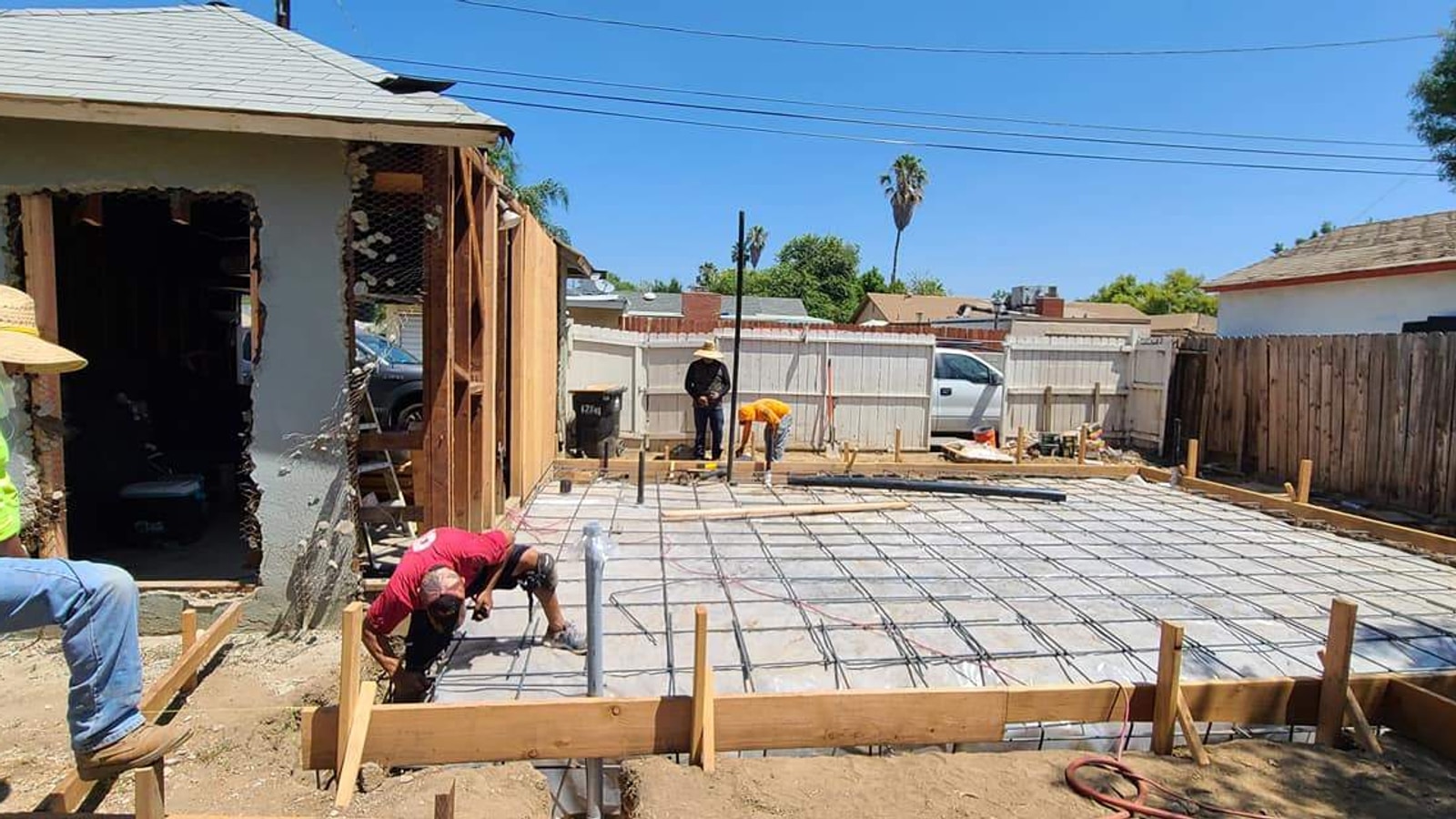
Existing structure assessment
Older Los Angeles garages often need foundation repairs or a structural review before they can be brought up to habitable code. The slab edges may need shoring, the wall framing may need sistering, and the roof framing may need to be opened and inspected. Anything hidden behind stucco or drywall comes out during this phase, before the new envelope goes back on.
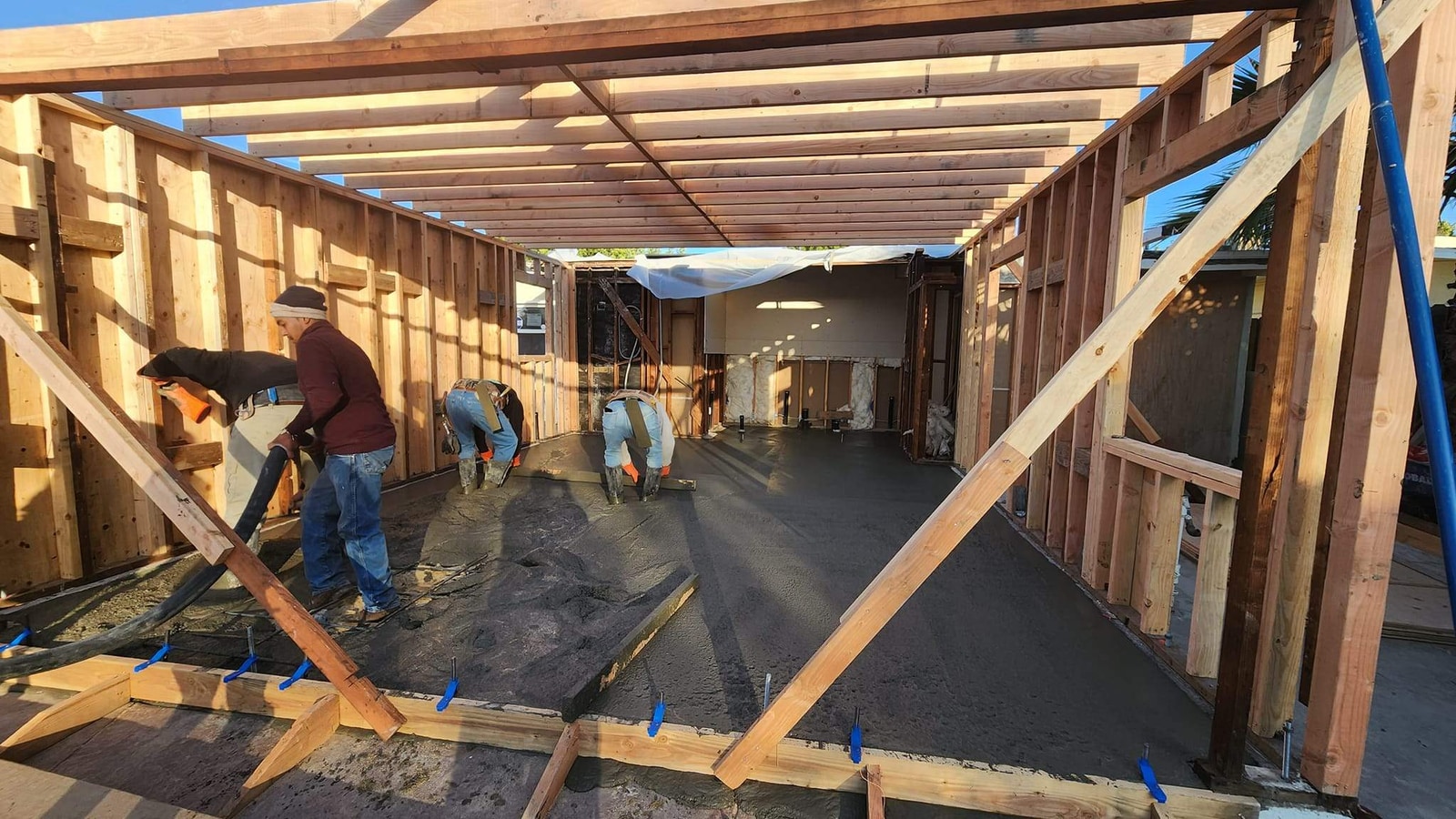
Slab, framing, and the new envelope
If the existing slab is sound, it usually stays. If it is cracked, undersized, or out of level, sections may need to be cut and re-poured. Where the original garage door is being closed in, a new framed wall is built on a new footing, tied into the existing structure, and stitched into the roof line.
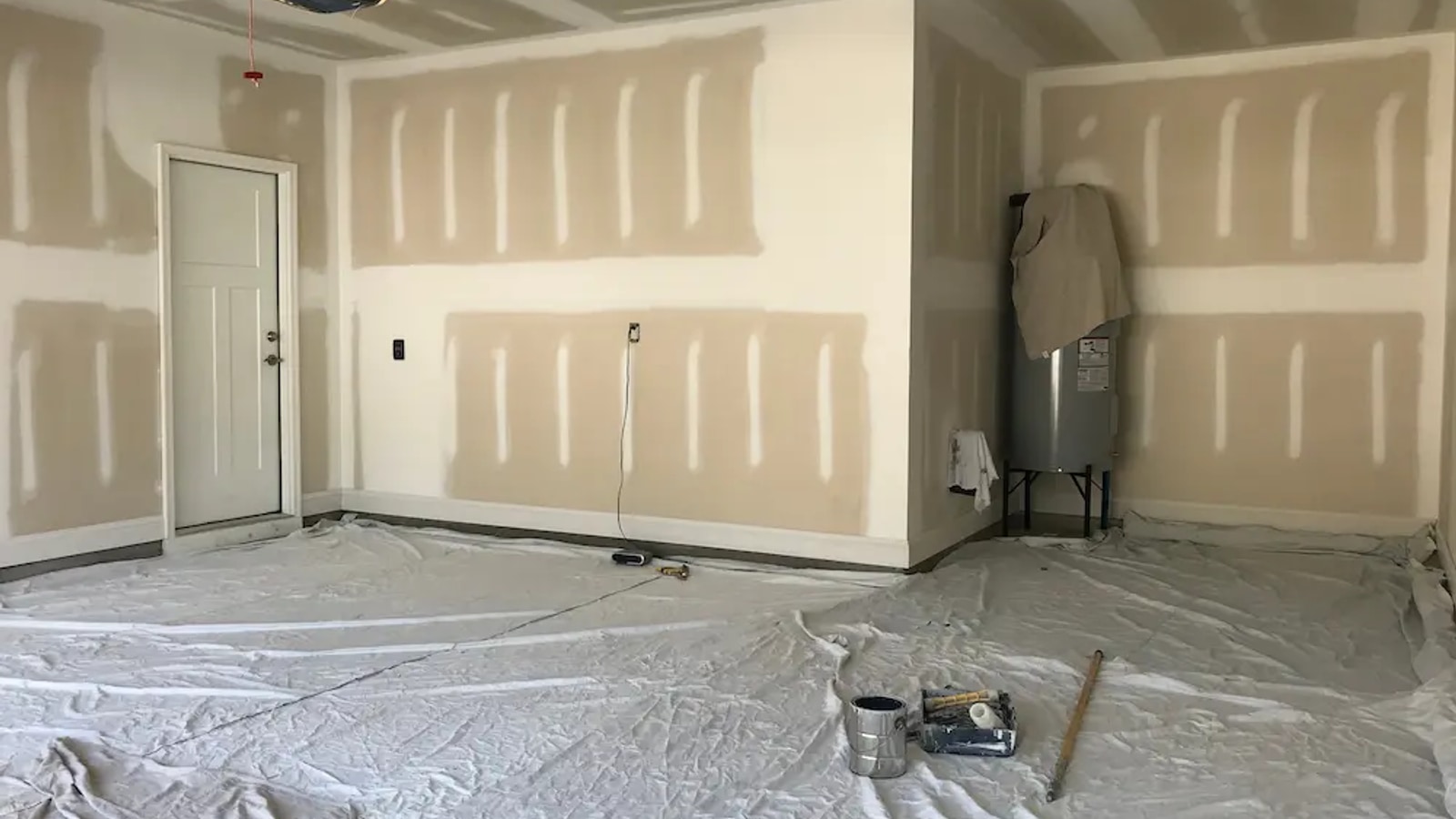
Insulation, drywall, and the inside finish
Once the envelope is closed, the project becomes an interior remodel. Insulation goes into the walls and ceiling, electrical and plumbing get rough-in inspections, drywall is hung and finished, and the room is taped and prepped for paint. From the inside, this phase looks no different in a JADU than it does in a garage conversion ADU.
What the finished space can become
The finished use is not driven by the construction type — it is driven by the homeowner. Both paths can produce a long-term rental, a guest unit, a home office, a studio for adult family members, or a quiet workspace. The difference shows up in classification on the permit and on the certificate of occupancy, not in how the room feels day to day.
Which path fits your home
The right answer is rarely abstract. It comes down to which structure exists, where it sits on the lot, what the homeowner wants the space to do, and which permit path the project qualifies for. A contractor familiar with Los Angeles ADU and JADU work should be able to walk the property and lay out the options clearly before any drawings are paid for.
Ask the contractor on the first visit:
- Is this property a candidate for a JADU, a garage conversion ADU, or both?
- What is the existing garage condition — slab, framing, roof, electrical?
- Which entry, kitchen, and bathroom configurations are allowed under each path?
- What does the permit set need to include for our specific lot?
FAQ
Is a garage conversion the same as a JADU?
No. A garage conversion can be permitted as a full ADU with its own kitchen, bathroom, and separate entrance. A JADU is a junior-sized unit inside the primary home, bounded by state size rules, with state-specific kitchen and bathroom requirements. The same garage can sometimes be permitted either way, depending on whether it is attached, the lot configuration, and what the homeowner wants the finished space to do.
Can I do a JADU in a detached garage?
Generally no. A JADU lives inside the primary home. A detached garage that is converted is usually permitted as a garage conversion ADU, not a JADU. A contractor familiar with Los Angeles ADU rules can confirm the path on a specific lot.
Does a garage conversion always require closing in the garage door?
In most cases yes — the original roll-up door is typically replaced with a code-compliant wall, windows, or French doors. The exact replacement depends on the design and the permit path. The new opening is framed on its own footing and tied into the existing structure.
Will the existing slab work, or does it need to be replaced?
If the existing slab is sound and at the right level relative to the surrounding finish floor, it usually stays. If it is cracked, undersized, or stepped down for a vehicle, sections may need to be cut and re-poured. This is confirmed during the existing-structure walk before plans are finalized.
Do I need a separate electrical service?
Usually not a separate service from the utility, but a panel upgrade at the main house and a subpanel at the converted space are typical. The exact scope depends on the existing panel's capacity and the load calculation for the new unit. A contractor can confirm after reviewing the existing panel.