How to Prepare for a Remodeling Estimate Visit in Los Angeles
A practical, room-by-room and access-by-access checklist for homeowners who have a contractor visit booked and want the meeting to be useful. Tuned for Los Angeles housing, parking, and access realities.
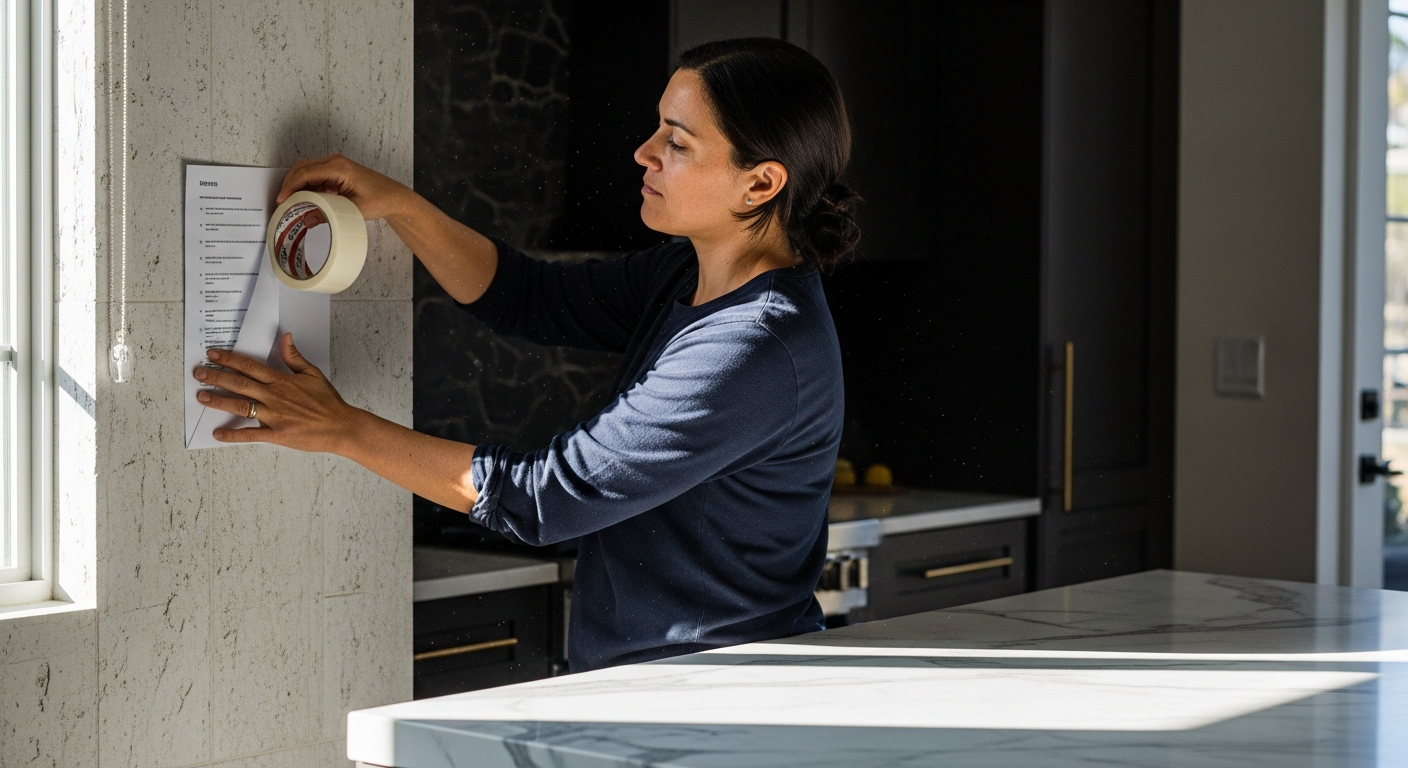
An estimate visit is not just the contractor evaluating the house. It's also the homeowner evaluating the contractor — and the meeting is more useful, on both sides, when a few things are ready before the visit. None of this is hard. Done well, the visit takes 45–60 minutes instead of the usual hour-and-a-half, and you walk out with a much cleaner picture of what the project will look like.
Before the visit: paperwork and prep
Pull these together a day or two ahead. They live in a single folder on your phone or in a manila folder on the kitchen counter — either is fine.
- A short written scope: rooms affected, what changes, what stays. (If the project is a kitchen, bathroom, ADU, or full home remodel, naming the category up front saves time.)
- A short list of must-haves and a separate list of nice-to-haves.
- Five to ten inspiration photos (your phone gallery, a Pinterest board, or a saved magazine page).
- Any plans, surveys, or HOA / HPOZ paperwork the property already has on file.
- A note about prior work the contractor should know about — old additions, recent re-roofs, repipes, panel upgrades, or anything that was done without a permit.
- Names of decision-makers in the household — useful so the contractor knows who's in the loop on follow-ups.

Walk the rooms with a tape measure
Quick measurements before the visit save the contractor twenty minutes during it, and they help the conversation stay on scope. You don't need surveyor-level accuracy — you need order-of-magnitude numbers.
- Length and width of each affected room, ceiling height, and any ceiling slope.
- Window and door sizes that matter to the project (rough is fine).
- Cabinet runs in kitchens — total linear feet, plus the heights and widths of any feature wall or island.
- Bathroom fixture rough-in distances if you're replacing them and you can see the supply lines.
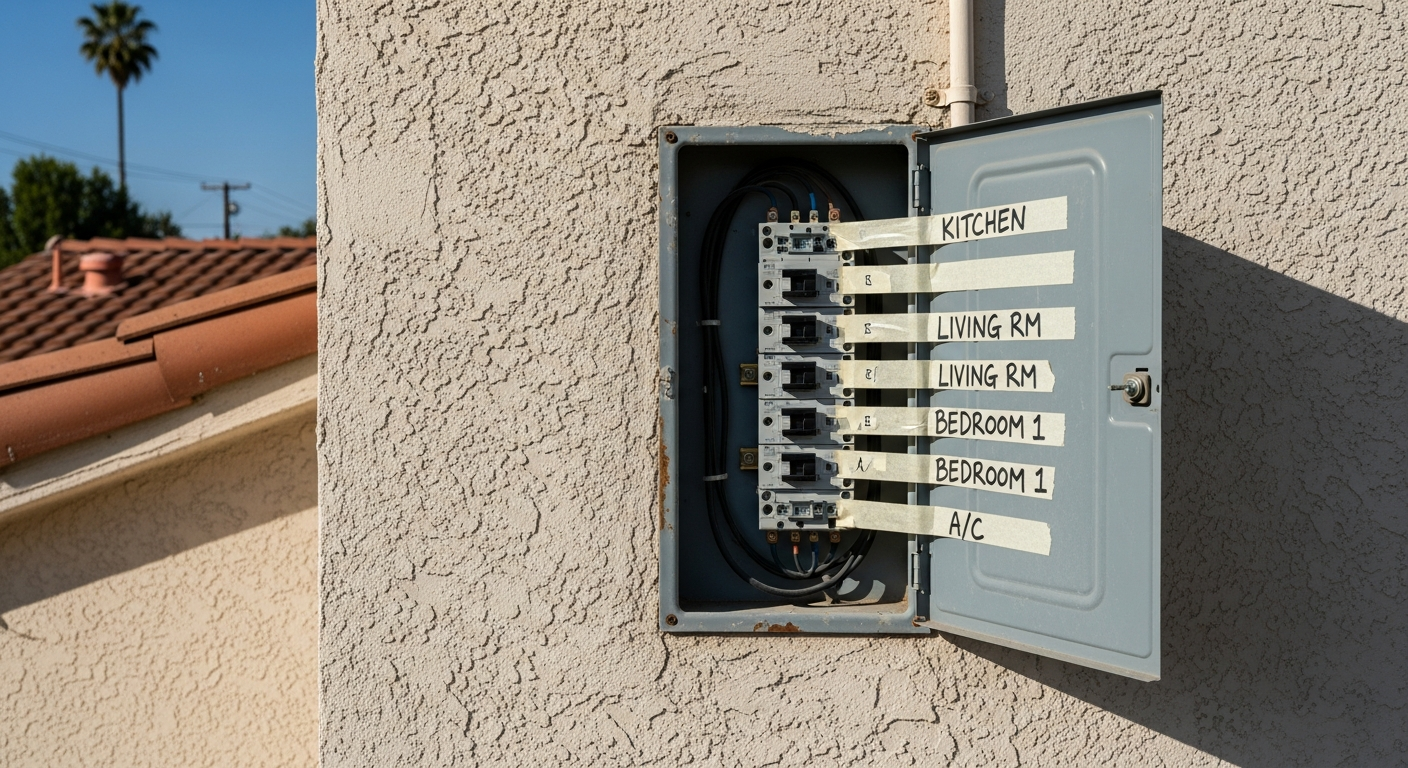
- Note where the electrical panel is, what amp service the house has if you can read the main breaker, and roughly how full the panel looks.

Photo and reference prep
Inspiration photos help the contractor calibrate what you mean by words like 'modern' or 'transitional' or 'classic Spanish.' These words mean different things to different people, and a single photo settles three pages of email back-and-forth.
- Five to ten photos of finished spaces you like, ideally with notes on what specifically you like about each (the cabinetry, the tile, the layout).
- A separate small set of photos of things to avoid — the inverse is just as useful.
- Any product or material you've already chosen — a tile sample, a faucet model, a cabinet door style — pulled out of the catalog or browser tab.
- If you have a budget anchor in mind, write it down somewhere. You don't need to lead with it, but the contractor will eventually ask, and it's better to answer with intent than improvise.
The Los Angeles access checklist
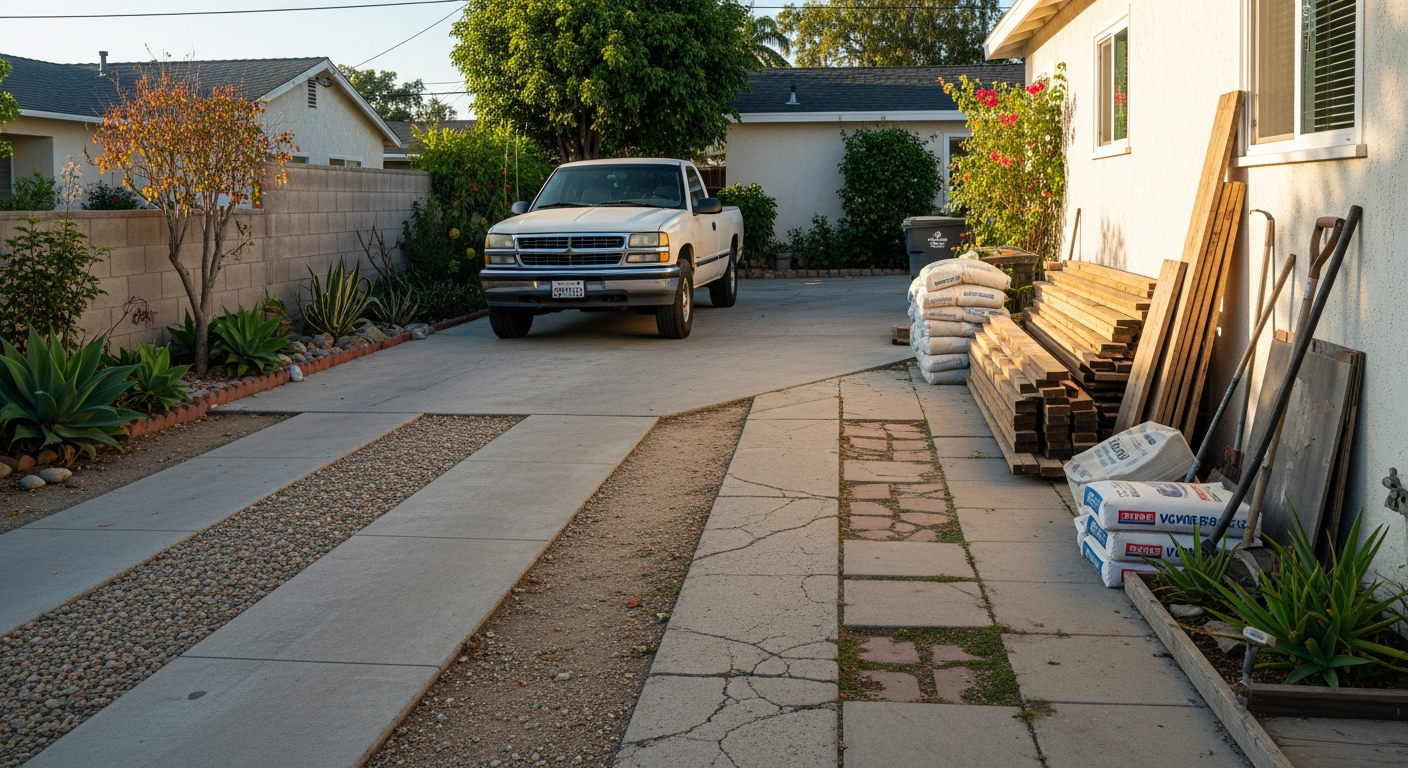
This is the part most homeowners outside LA don't think about. Access is real. It affects scope, scheduling, and what the contractor's bid will assume. Walk this list with the contractor when they arrive — five minutes outside, ten if the property is hillside.
- Where will the contractor's vehicles park during the work — driveway, on-street, behind a gate?
- What are the parking restrictions on your street (permit zones, street-cleaning days, two-hour limits) — those affect material delivery scheduling.
- Is the work area accessible without going through finished living space? If not, where's the protective path, and what gets covered?
- Where's the natural staging area for materials and dumpsters — driveway corner, side yard, a flat patch in the back?
- If you're on a hillside, what does the access driveway grade look like for a delivery truck or a small skid steer?
- If you're behind a gate or in a gated community, how will the contractor's crew get in each morning and out each evening — gate code, key fob, attendant call-list?
- Are there time-of-day restrictions on construction noise (HOA rules, building-management rules in condos, or city noise ordinance specifics)?
Utility and condition notes
Older Los Angeles homes have personalities. Pre-visit notes on the obvious quirks help the contractor scope honestly instead of guessing.
- Approximate age of the house, and known prior major work — re-roof year, panel upgrade year, repipe history if any.
- Plumbing material if you know it — galvanised, copper, PEX. If you've had recurring leaks, mention them.
- Electrical panel size in amps if you can read it (60A, 100A, 150A, 200A) and whether you've added an EV charger or a heat pump that's pulling on the panel.
- Roof condition and last maintenance, if your scope touches anything ceiling-side.
- Any prior unpermitted work you know of. Don't try to hide it. The contractor will spot it eventually, and it shapes the permit conversation from the first hour.
During the visit
Walk through the scope room by room with the contractor. Hand them the photos. Ask them to repeat back the scope in their own words — that's the first quality check on whether you're being heard. If their version of the scope drifts wider than yours, slow down and pull it back. If it drifts narrower, ask why. Either drift is information.
The visit ends with a clear next step on paper: 'You'll send a written proposal in N business days,' or 'We'll need to come back with a sub for the foundation,' or 'We'd like to do a brief plan session before quoting.' If the next step is fuzzy, name it before the contractor leaves.
After the visit
Write your impressions down within an hour of the visit while they're still fresh. What did the contractor pay attention to? What questions did they ask back? Did they walk the access path with you, or did they skip it? Did they note prior work, or wave it off? These are the small signals that show up later as how the project actually runs.
If you'd like a calm walk-through of what to bring to a remodeling estimate visit before the meeting, Hillstar Construction Inc's site has a help layer named Mickey that can pull together a personalised version of the checklist above based on what you describe — house type, scope, neighborhood. It's an option, not a requirement; the checklist in this post stands on its own and works for any contractor visit, not just Hillstar Construction Inc's.
How many estimate visits should you book?
Three is the working number — enough to compare without burning out. With one estimate it's hard to read whether the price and scope are reasonable; with five or six the visits start to blur together and you stop processing the information. Three contractors who walked the same property and gave you written scopes in their own words is a real comparison. Two is workable. One is a leap of faith.