HPOZ Remodeling: What Historic-Preservation-Overlay-Zone Homeowners Need to Know
How remodeling works inside one of Los Angeles's Historic Preservation Overlay Zones — what triggers HPOZ board review, what counts as a minor change versus a major one, and how to plan a project that gets through the process cleanly.
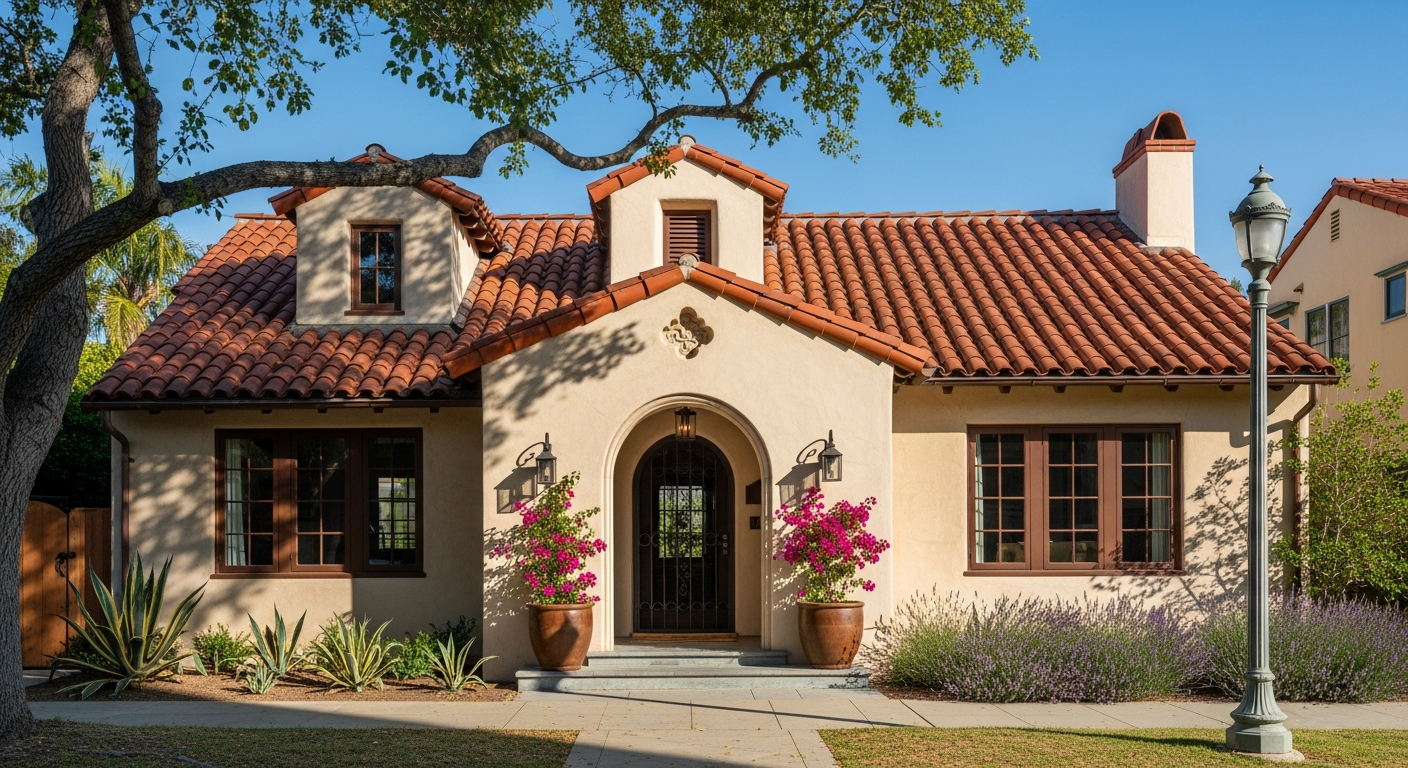
If your home is inside one of Los Angeles's Historic Preservation Overlay Zones — Hancock Park, Whitley Heights, South Carthay, Spaulding Square, Angelino Heights, and around thirty more — your remodel involves a review layer that homeowners outside an HPOZ never see. It is not a barrier. It is a process, with predictable rules and predictable rhythms, and projects move through it cleanly when the homeowner and the contractor know what's coming.
What an HPOZ actually is
An HPOZ is a city-designated district where the architectural character of the neighborhood is protected through a Preservation Plan — a document specific to that HPOZ that lays out what kinds of exterior changes are encouraged, allowed with review, or discouraged. The plans are written by neighborhood, so a Spanish Colonial Revival neighborhood and a Craftsman bungalow neighborhood end up with different specifics, even though the framework is the same.
Inside the HPOZ, every property has a designation — most commonly Contributing or Non-Contributing. Contributing properties are the ones that materially carry the historic character of the district. Non-Contributing properties are inside the boundary but don't add to the historic character. The designation matters because it determines how strict the review is on a given property.
What triggers HPOZ review
Most exterior work that affects what the building looks like from the public way is reviewed. Most interior work is not. The dividing line is roughly: 'visible from the street, sidewalk, or other public space.' Roof material changes, window replacements, exterior siding, front-yard hardscape, and additions that extend the footprint visibly — all reviewed. A new bathroom layout inside the house — not reviewed.
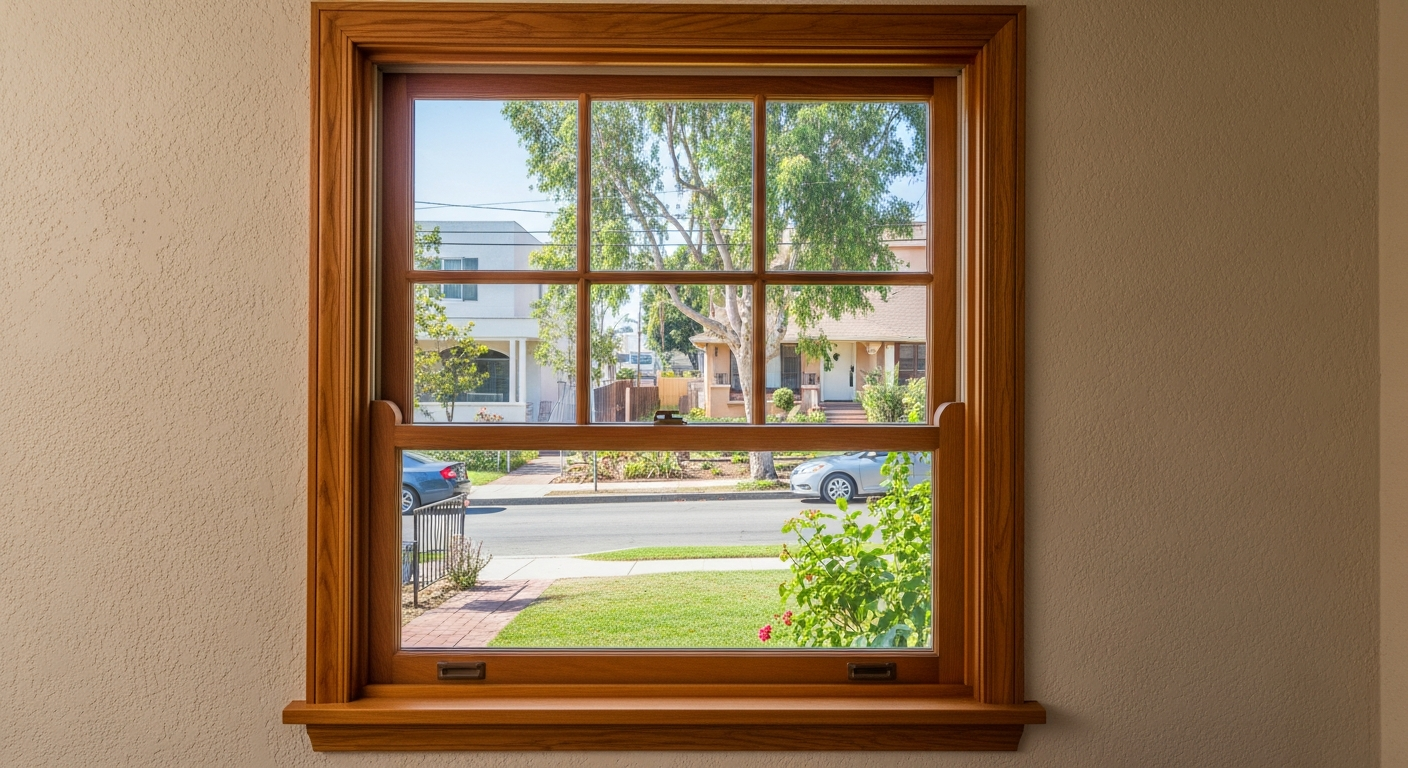
- Window or door replacement on a façade visible from the street.
- Roofing material change, especially a change away from the original material type.
- Façade alterations — siding, stucco, trim, exterior color in some HPOZs.
- Additions that change the building's visible massing or roofline.
- Front-yard landscaping in HPOZs whose plans address it.
- Demolition of any contributing structure on a contributing property — this is the strictest category.
- Driveway, porch, or fence changes in many HPOZs.
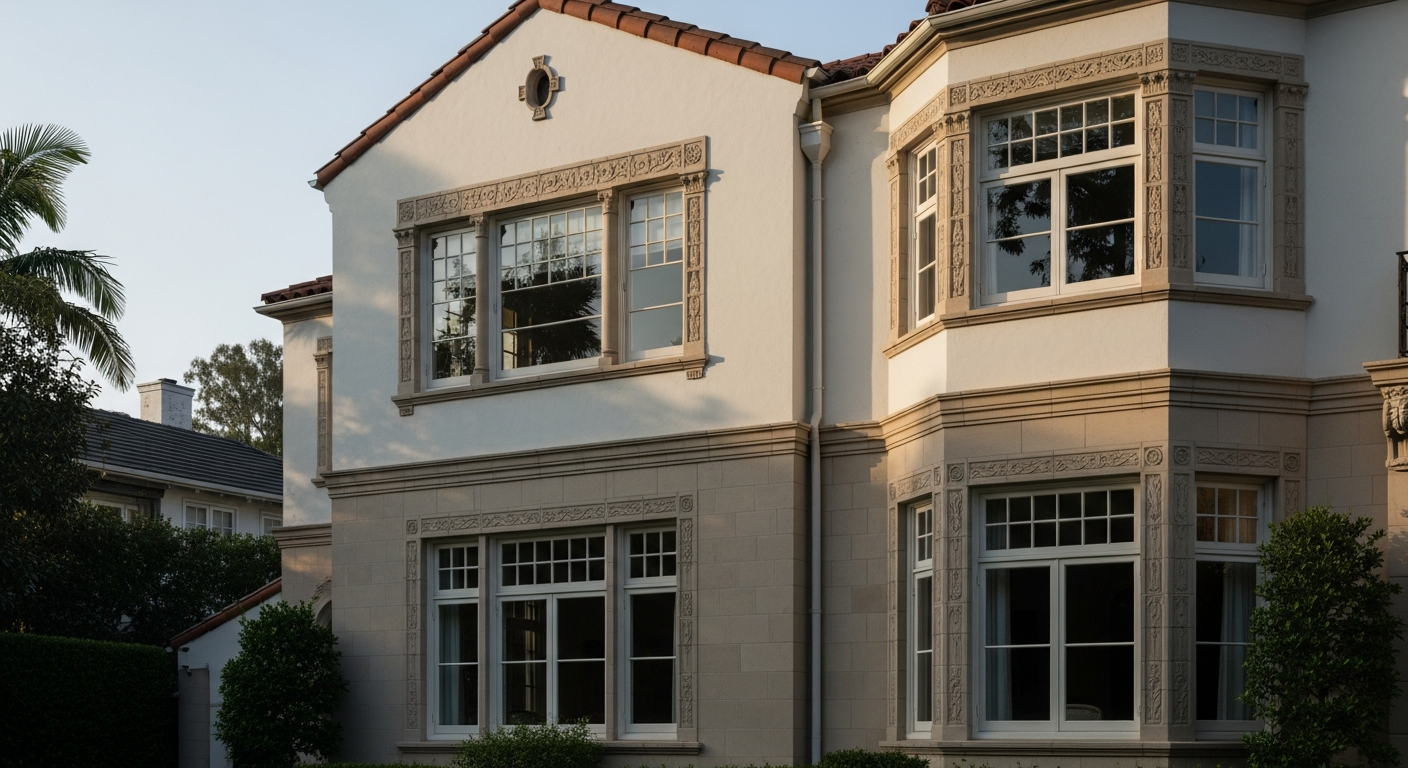
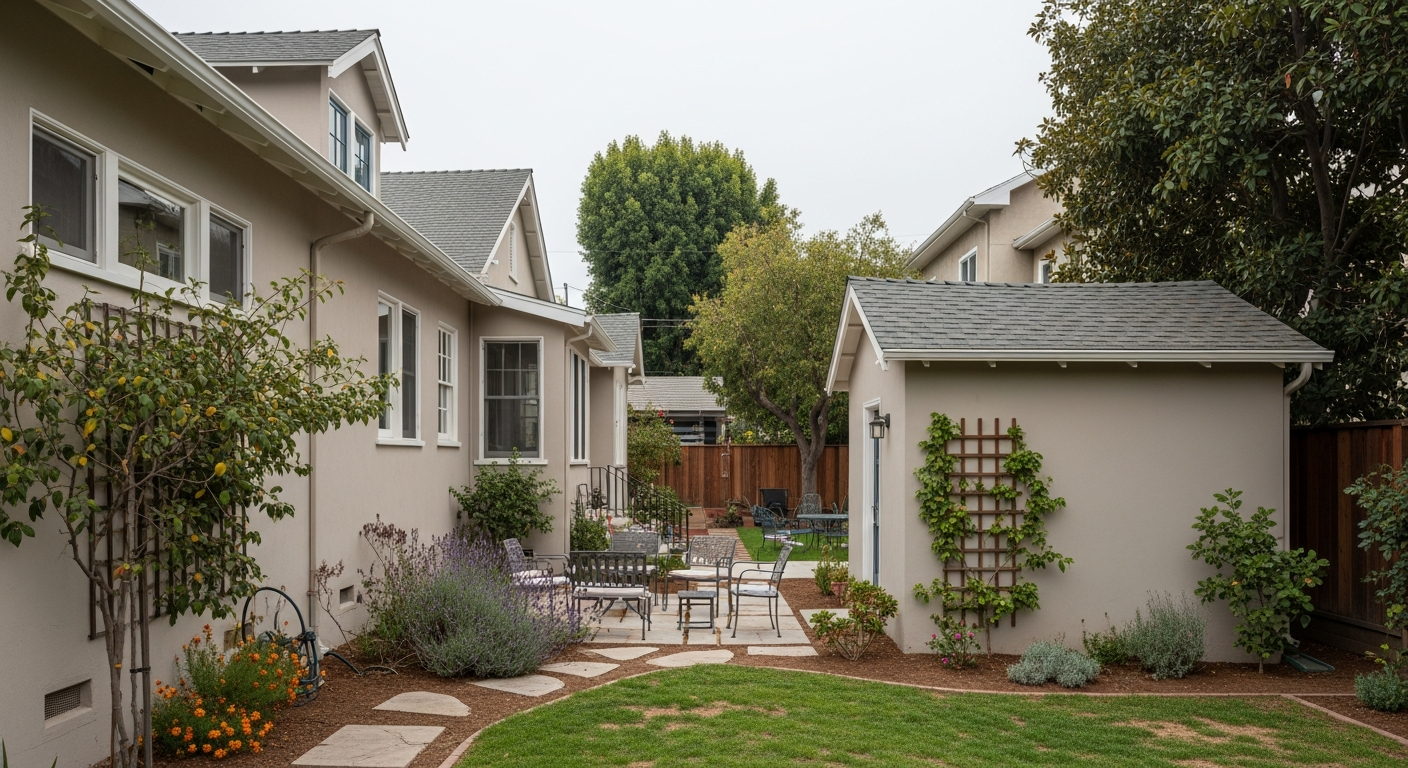
Interior remodels, work in the rear yard that's not visible from public ways, and like-for-like maintenance — most of these don't trigger board review, although some still need a staff-level Certificate of Appropriateness.
Two paths through review: staff vs. board
HPOZ projects flow through one of two paths, depending on scope. The Office of Historic Resources — the city department that administers HPOZs — assigns the path based on the work's scope and visibility.
- Staff-level review — also called Conforming Work review. Used for routine, low-impact changes that clearly conform to the Preservation Plan. Approved at the staff level, faster, and the homeowner doesn't appear before the HPOZ Board.
- HPOZ Board review — used for changes that require interpretation of the Preservation Plan, larger scope work, or anything in a sensitive category. The homeowner (or their architect or contractor) presents the project at a Board meeting and answers questions. Approval comes back as a Certificate of Appropriateness with conditions if any.
Most homeowners are surprised at how often work qualifies for staff-level review. Replacing a deteriorated window with one that matches the original profile, repairing a porch using the same materials, painting in an HPOZ-approved color — those are commonly handled at staff level. Adding a second story, demolishing an outbuilding, or changing a roof material — those are board-level.
The Certificate of Appropriateness
The output of either path is a Certificate of Appropriateness — the document that says the proposed work has been reviewed and is acceptable under the Preservation Plan. The Certificate is what clears the planning side of the permit application. LADBS's own Building Permit Clearance Handbook lists Historic Preservation Overlay Zone clearance under the Department of City Planning's clearances, required for construction, demolition, alteration, addition, relocation or removal — with interior remodel listed as an exception. So the planning clearance has to be in hand before the building permit is issued.
The Certificate sometimes carries conditions — 'use this trim profile,' 'match this material,' 'these specific window components must match the existing.' Those conditions are part of the work scope from that point forward, and the contractor builds to them.
How to plan an HPOZ project
A project that gets through HPOZ review smoothly has three things in common: the homeowner reads the Preservation Plan for their HPOZ early, the proposed work is documented before submission, and the materials match what the Plan allows. None of these are difficult. They are just done in a particular order.
- Read your HPOZ's Preservation Plan — they're short documents (40–80 pages typically), and they tell you what's encouraged, allowed, and discouraged for your property type.
- Pull your property's contributing/non-contributing designation from the OHR property look-up. It changes what's reviewed and how strictly.
- Document the existing condition with photographs before you change anything — the application will ask for them, and you'll want them later.
- Pick materials that match the Plan, not 'similar' materials that you hope will pass. Wood windows asked for by the Plan are wood windows, not wood-clad. Asphalt shingles don't substitute for clay tile.
- Hire a contractor or architect who has done HPOZ work before. The first board hearing is much smoother when the presenter knows the Plan vocabulary.
- Submit the application with full drawings, full material specifications, and full photographs. Incomplete submissions slow everything down.
What HPOZ review is not
HPOZ review is not aesthetic policing of taste, and it is not a tool to block legitimate work. It's a written plan, applied consistently, with a public process for projects that interpret the plan. Homeowners who arrive prepared, with documentation that matches the Plan's vocabulary, get through review without drama. Homeowners who try to do work first and apply later — that's where the friction lives, because then the conversation is no longer about a proposal but about an unpermitted change that has to be addressed.
If you've already done unpermitted work
It happens. Prior owners do unpermitted work and disclose it imperfectly, or a previous remodel pulled a permit but missed an HPOZ trigger. The path forward in either case is documentation and an after-the-fact Certificate of Appropriateness if the work conforms, or a corrective scope if it doesn't. The Office of Historic Resources sees these regularly. They are not pleasant conversations, but they are not new conversations, and a contractor who has handled them before knows the order of operations.
Working with a contractor on an HPOZ project
Look for a contractor who has done at least a handful of HPOZ projects, ideally in your specific HPOZ or in one with a similar architectural character. Ask them for the names of the HPOZ projects they've completed. Ask them how they handled the Certificate of Appropriateness conditions during construction — that's the part that's done badly when a contractor isn't familiar with the process. The wrong window profile installed, the wrong trim used, the wrong roof tile — these are the field mistakes that turn a clean approval into a corrective conversation later.

Do all HPOZs have the same rules?
No. Each HPOZ has its own Preservation Plan, with rules tuned to that neighborhood's architectural character. The framework is the same across HPOZs, but the specifics — what materials, what trim profiles, what colors — are local. Read your HPOZ's Plan, not a neighbor HPOZ's.
Can I do interior work without HPOZ review?
Most interior work — including most home-remodeling scopes that stay inside the existing envelope — that doesn't change the building's visible exterior is outside HPOZ review. A kitchen remodel that doesn't touch windows, doors, or the roofline is typically outside HPOZ review. Edge cases do exist — for example, removing an interior wall that supports an exterior change visible from the street. Confirm with the Office of Historic Resources for your specific scope.