Complete Remodeling in Woodland Hills: What the CSLB Check Actually Tells You
When you search for a complete remodeling contractor in Woodland Hills, the first step most homeowners take is checking the California Contractors State License Board database. That check is essential, but it only tells part of the story. Understanding what the CSLB record actually reveals—and what questions it leaves unanswered—makes the difference between a smooth project and a stalled one.
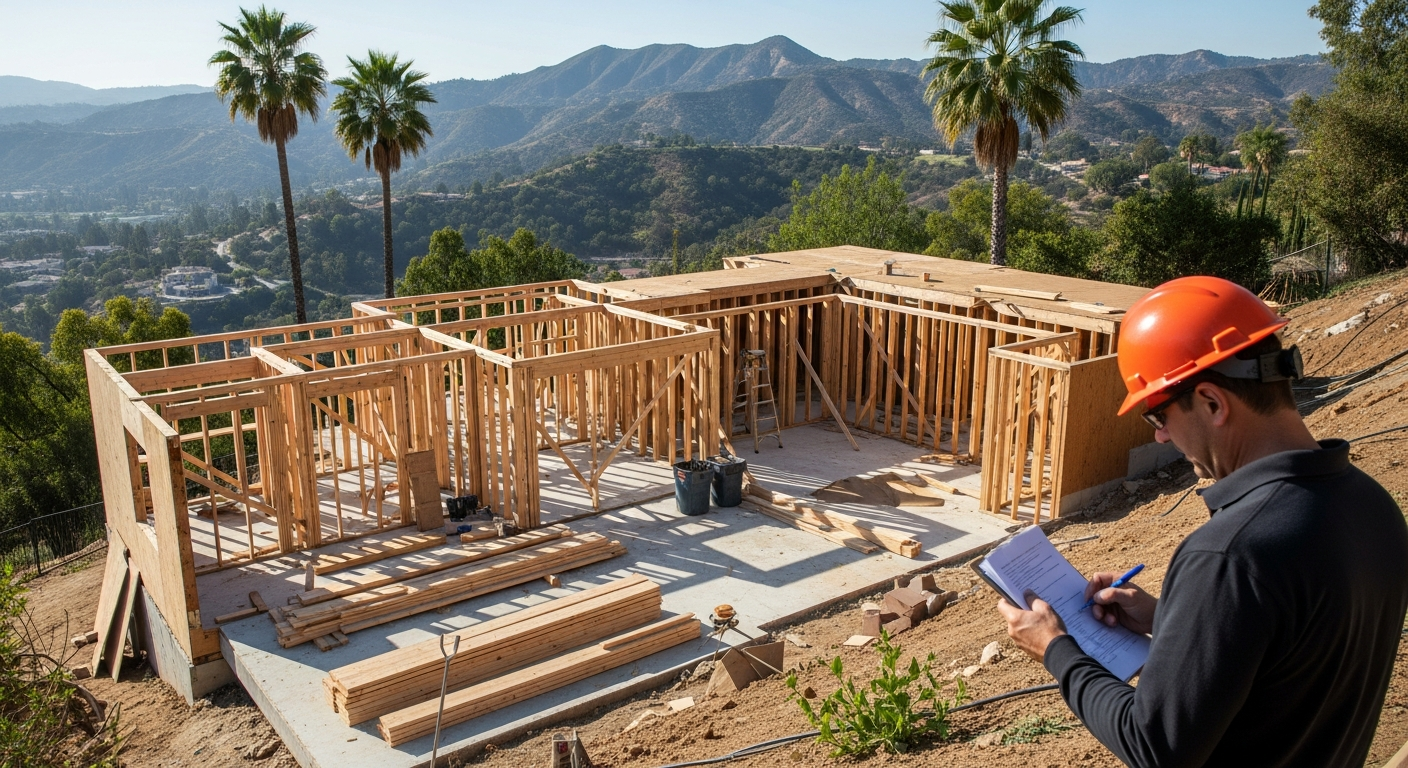
Complete remodeling means different things to different homeowners. For some Woodland Hills properties it's a full interior gut with new systems. For others it's reconfiguring the floor plan, updating finishes, and replacing windows. The scope varies, but the licensing requirement doesn't: any contractor performing structural, mechanical, electrical, or plumbing work in California must hold an active CSLB license. The database at cslb.ca.gov is public and searchable. You enter the license number or business name and see the classification, issue date, expiration, bond status, and any disciplinary actions. That information is critical, but it's also just the starting point.
What the CSLB Record Actually Shows
The CSLB license check confirms that the contractor passed the state exam, posted a bond, and carries workers' compensation insurance if they have employees. It shows the license classification—most general contractors hold a Class B license, which covers projects that involve at least two unrelated building trades. A Class B contractor can take framing and carpentry directly; a single specialty trade such as concrete or roofing goes to a contractor who holds that specialty classification, or is subcontracted to one. The record also lists any citations, suspensions, or revocations. If the license is current and the bond is active, the contractor is legally allowed to pull permits and perform the work. If the license is expired, suspended, or shows a pattern of complaints, that's a red flag. The record also shows whether the license is held by an individual or a corporation, along with the date it was first issued and the date it expires.
What the CSLB Check Doesn't Tell You
A clean CSLB record doesn't guarantee quality, communication, or project management. It doesn't tell you whether the contractor has experience with Woodland Hills hillside properties, understands LADBS permit routing, or knows how to coordinate inspections when the city is backed up. It doesn't reveal whether they've completed projects similar in scope to yours, whether they manage their own crews or rely entirely on subcontractors, or whether they return calls during the job. The license check also doesn't show civil disputes—if a contractor has been sued by homeowners or suppliers, that won't appear in the CSLB database. You need to ask for references, visit completed projects, and verify insurance coverage independently.
Where Woodland Hills Homeowners Trip Up
The most common mistake is assuming that a valid license means the contractor is the right fit for your project. Woodland Hills sits in the hillside zone, and many properties require geotechnical reports, retaining wall permits, and grading plans before any structural work begins. A contractor with a clean license but no hillside experience will miss those requirements during the estimate phase, and the project stalls when LADBS flags the incomplete application. Another pitfall is hiring based on the lowest bid without verifying that the contractor actually pulled permits on their past jobs. Some contractors operate outside the permitted scope to save time or avoid inspection delays, and that leaves the homeowner liable when the city discovers the work during a future sale or refinance.
- Verify the license is active and the bond is current before signing any contract
- Ask for proof of general liability insurance and workers' compensation coverage
- Request references from projects completed in the past year, not five years ago
- Confirm the contractor has experience with LADBS permit applications and inspections
- Check that the contractor's business address matches the CSLB record—unlicensed operators sometimes use fake license numbers
What to Ask Before Signing the Contract
Once you've confirmed the license is valid, the real questions begin. Ask who will be on site daily—the license holder, a project manager, or rotating subcontractors. Ask how the contractor handles permit delays, failed inspections, and change orders. Ask for a written scope of work that matches the permit drawings, so there's no confusion about what's included. For home remodeling projects that involve structural changes, ask whether the contractor works with a structural engineer or relies on plan check corrections from the city. Ask how they handle dust containment, job site access, and daily cleanup. These questions reveal whether the contractor has a process or is figuring it out as they go.
Woodland Hills Compliance and Permit Notes
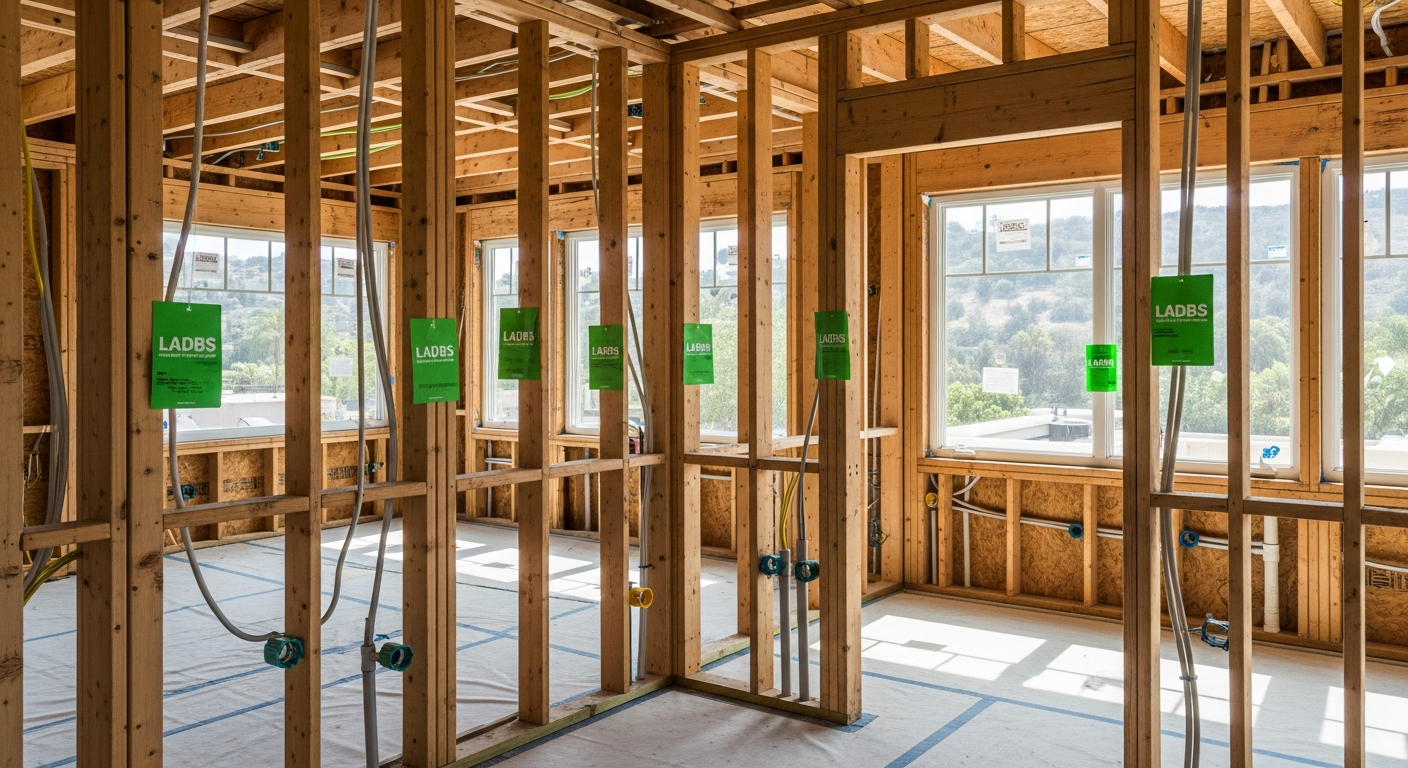
Woodland Hills properties fall under LADBS jurisdiction, and the permit process is the same as anywhere else in Los Angeles—but the hillside overlay, fire zone designations, and HOA restrictions add layers. If your property is in a Very High Fire Hazard Severity Zone, any addition or exterior remodel must meet ignition-resistant construction standards. If you're adding square footage, the city will calculate whether the new total exceeds the allowable floor area ratio for your lot. Depending on the scope, the permit can bring Title 24 energy requirements into play, which may mean upgrading insulation. Ask LADBS which energy measures your particular scope triggers. These requirements don't show up in the CSLB check, but an experienced contractor knows to flag them during the walkthrough.
For kitchen remodeling or bathroom remodeling projects that involve moving plumbing or gas lines, the contractor must coordinate inspections with LADBS and, if the gas meter needs relocation, with the gas utility company serving the property. If the project includes an addition or second story, the contractor needs to verify setbacks, height limits, and whether the property is in a Baseline Hillside Ordinance zone. Some Woodland Hills neighborhoods have HOA architectural review boards that require approval before the city permit is submitted. The contractor should ask about these restrictions during the initial consultation, not after the contract is signed.
What Experienced Contractors Look For
When a contractor with decades of Los Angeles experience walks a Woodland Hills property, they're looking at the existing structure, the permit history, and the site constraints. They check whether prior work appears on the city's permit record or whether there are alterations the city has no record of. They look at the foundation, the framing, and the roof to assess whether the structure can support the planned changes. They note the slope, the drainage, and the proximity to neighboring properties. They ask whether the homeowner has pulled permits in the past and whether those permits were finaled. All of this shapes the scope, the permit strategy, and the realistic expectations for the project.

For additions or ADU construction, the contractor checks the zoning, the lot coverage, and whether the property can accommodate the new square footage without triggering a variance. They confirm that the design meets current code for egress and fire separation. They verify that the electrical panel has capacity for the new load or whether a service upgrade is required. These details don't appear in the CSLB database, but they determine whether the project moves forward or gets stuck in plan check.
How to Verify Insurance and Bonding Beyond the CSLB Check
The CSLB record shows that a bond is on file, but it doesn't show the coverage limits or whether the contractor carries general liability insurance. Ask for a certificate of insurance naming you as an additional insured. Verify the policy is current and covers the full scope of the work. If the contractor has employees, confirm they carry workers' compensation insurance—if they don't and a worker is injured on your property, you may be liable. Some contractors operate as sole proprietors and claim they don't need workers' comp, but if they hire day labor or subcontractors without their own coverage, the risk falls on the homeowner. The CSLB bond is filed for the benefit of consumers who are damaged by defective construction or other license law violations, and for the contractor's employees who are owed unpaid wages, up to the bond amount on file.
What Separates Organized Projects from Bad Experiences
The difference between a smooth remodel and a stalled one comes down to preparation. The contractor who walks the property, asks about the homeowner's goals, reviews the permit history, and identifies potential issues before the contract is signed is the one who delivers. The contractor who skips LADBS's Preliminary Plan Check meeting, assumes the permit will be straightforward, and starts demolition before the drawings are approved is the one who creates delays. Woodland Hills homeowners who take the time to verify the license, ask the right questions, and review the contractor's past work end up with projects that meet code, pass inspection, and add value to the property.
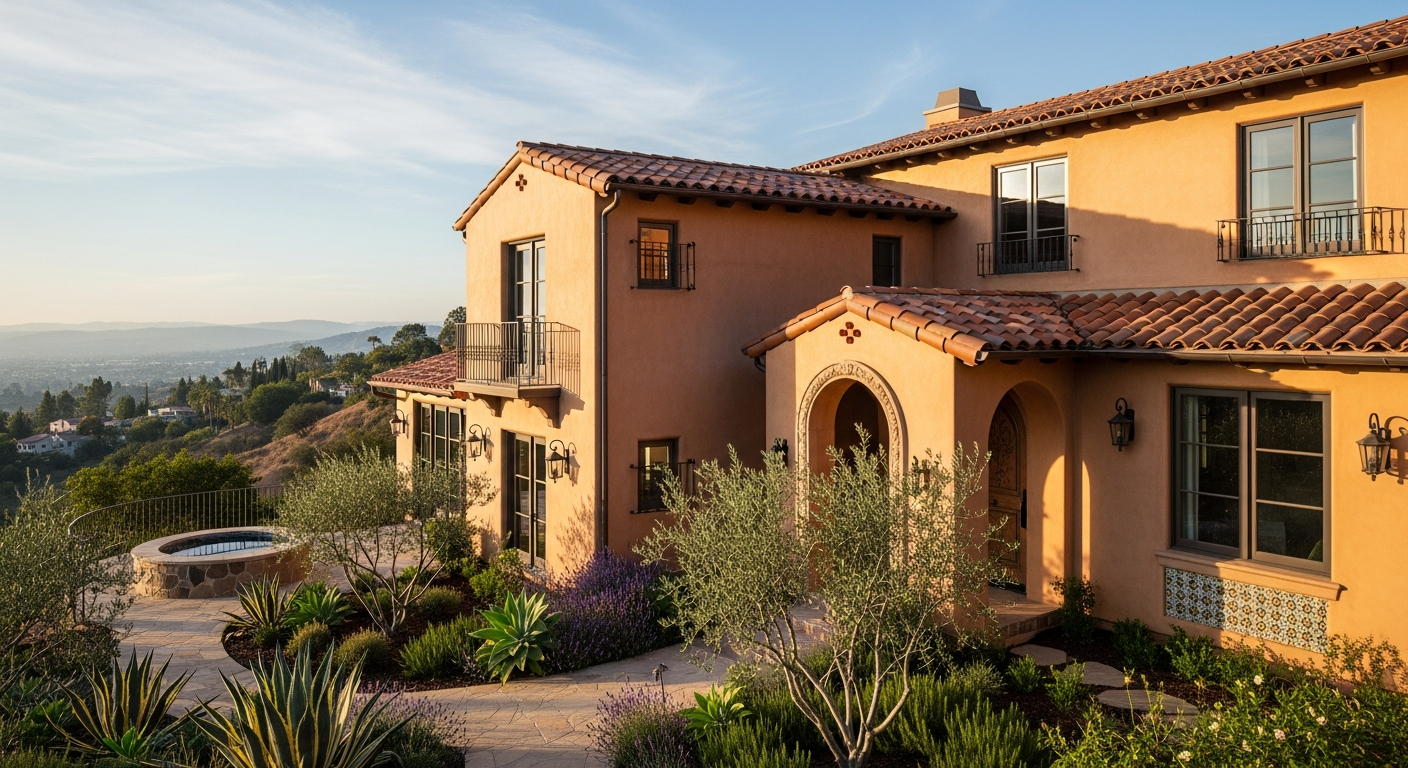
Complete remodeling is a significant investment, and the CSLB check is just the first filter. The real vetting happens in the conversation, the references, and the contractor's willingness to explain the process. Hillstar Construction Inc has held CSLB license #972213 since 2012, and every project starts with a walkthrough, a permit review, and a clear scope of work. That's how remodeling projects in Woodland Hills get done right.
FAQ
What does a CSLB license check actually verify?
The CSLB database confirms that the contractor holds an active license, has posted a bond, and carries workers' compensation insurance if required. It also shows any disciplinary actions, suspensions, or revocations. A clean record means the contractor is legally allowed to pull permits and perform the work, but it doesn't guarantee quality or experience with your specific project type.
Can I hire a contractor without a CSLB license for a complete remodel?
No. Any contractor performing structural, mechanical, electrical, or plumbing work in California must hold an active CSLB license. It is illegal for an unlicensed person to perform that work. CSLB's dispute-resolution tools — on-site negotiation, mediation and arbitration — are free of charge to licensed contractors and consumers. CSLB does note that consumers are not legally required to pay a person who is not state-licensed, and cannot be sued for non-payment. The city will not issue permits to unlicensed contractors, and any work completed outside the permitted scope creates liability during a future sale.
What should I ask a contractor beyond checking their CSLB license?
Ask for proof of general liability insurance and workers' compensation coverage. Request references from recent projects and verify they were completed with permits. Confirm the contractor has experience with LADBS permit applications and inspections. Ask who will be on site daily and how they handle permit delays or failed inspections. These questions reveal whether the contractor has a process or is improvising.
Do Woodland Hills properties have special permit requirements?
Many Woodland Hills properties are in hillside zones, fire hazard areas, or HOA-governed neighborhoods. Hillside properties may require geotechnical reports and grading permits. Fire zone properties must meet ignition-resistant construction standards. HOAs often require architectural review before the city permit is submitted. An experienced contractor identifies these requirements during the walkthrough, not after the contract is signed.