How to Compare Kitchen Remodel Bids in Los Angeles Without Getting Burned
Comparing kitchen remodel bids in Los Angeles means checking that each proposal covers the same scope, includes LADBS permit costs, names the same materials, and commits to the same inspection sequence. The lowest number often hides missing work, excluded permits, or vague allowances that turn into change orders once the job starts.

Get the free Contractor Bid Comparison Checklist
Print it, put it next to your proposals, and find out what each bid actually includes - line by line, before you sign anything.
Get the free checklistWhat Does 'Bid Comparison' Actually Mean for a Los Angeles Kitchen Remodel?
Bid comparison means confirming that every proposal describes the same work, uses the same materials, and follows the same LADBS permit path. A valid comparison requires identical scope—same cabinet line, same countertop material, same appliance package, same electrical and plumbing alterations. When one bid is lower but omits the permit, skips the panel upgrade, or lists generic allowances instead of named products, the numbers are not comparable.
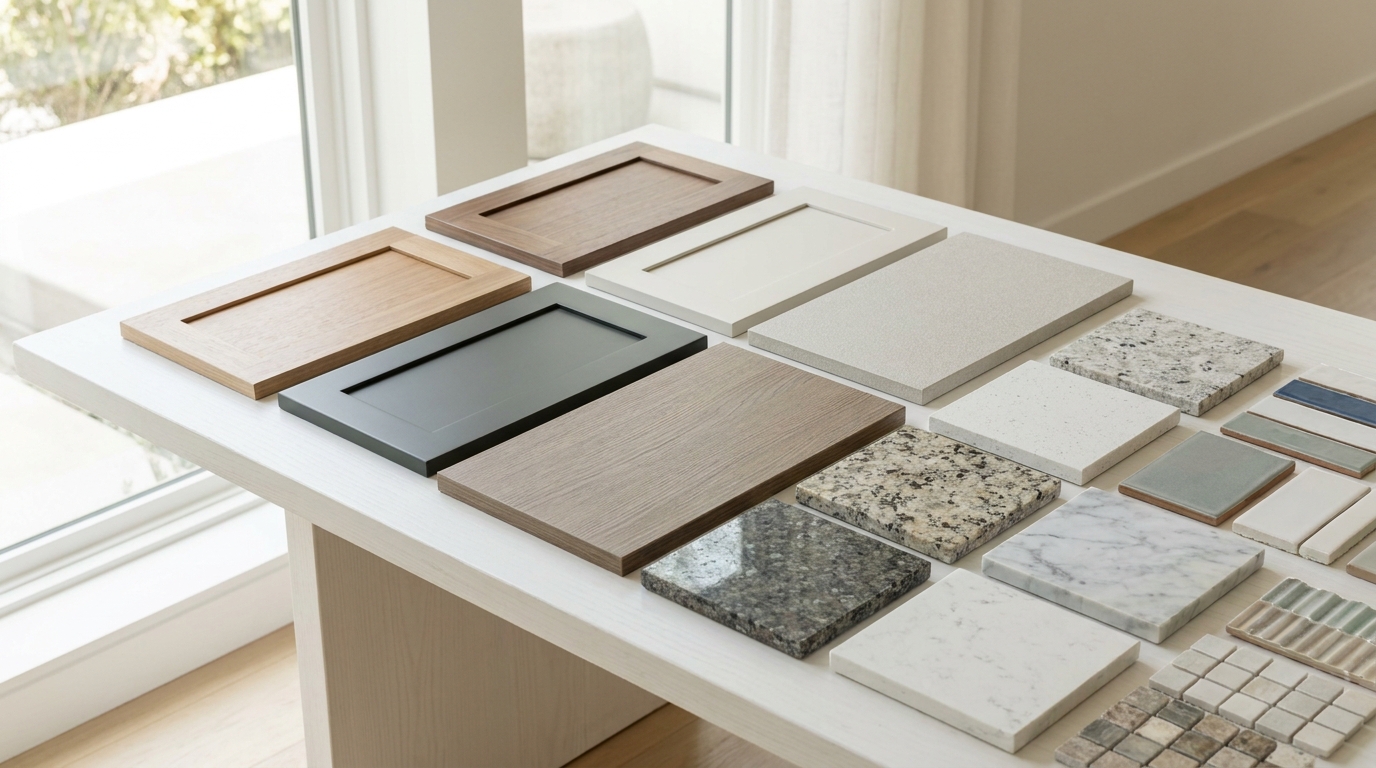
Experienced contractors write proposals that name the cabinet manufacturer, the countertop fabricator, the tile series, and the fixture models. They include LADBS permit fees, plan-check costs, and the inspection sequence the city requires.
- Cabinet line and finish specified by manufacturer name and series
- Countertop material named with edge profile and fabricator
- Appliance package listed by brand and model number
- Electrical scope stating new circuits, panel capacity, and whether an upgrade is included
- Plumbing scope naming fixture models and whether supply lines are being replaced
- LADBS permit, plan check, and inspection costs included as line items
Comparing contractors for this project?
The free checklist walks you through every line a complete proposal should carry, so you can compare bids on scope instead of price alone.
Get the free checklistWhere Los Angeles Homeowners Trip Up When Reading Bids
The most common mistake is comparing the bottom-line total without reading the scope paragraph by paragraph. A lower bid that excludes demolition, dumpster rental, or the electrical permit looks attractive until the first invoice arrives with those items billed as extras. Another trap is the allowance—a placeholder dollar figure for tile, countertops, or fixtures that the homeowner is expected to stay within, but that rarely covers the products shown in the design.
Hillstar Construction Inc proposals, led by Lior Mazor who brings over 40 years of hands-on construction experience, name the actual products and include the supplier. When an allowance is unavoidable—because the homeowner has not yet chosen a specific tile—the proposal states the allowance amount and lists three example products that fall within it.
- Demolition and debris removal—some bids exclude it and bill it later
- Permit and plan-check fees—often omitted from low bids
- Allowances without example products—impossible to compare
- Exclusions buried in fine print—drywall repair, interior paint, or trim listed as 'not included'
- Vague electrical language—'upgrade as needed' instead of naming the panel and circuit count
What to Ask the Contractor Before Signing Anything
Ask whether the proposal includes the LADBS permit, who is pulling it, and what the inspection sequence will be. Ask whether the electrical scope includes a panel upgrade if the existing panel is at capacity. Ask whether the plumbing scope includes replacing old galvanized supply lines or just connecting to what is there. Ask whether demolition, dumpster, and debris removal are included or billed separately.
Ask for the cabinet manufacturer's name and the specific door style. Ask for the countertop fabricator and whether templating is included. Ask whether the contractor carries workers' compensation insurance and general liability, and ask to see the certificate.

- Is the LADBS permit included, and who is responsible for pulling it?
- Does the electrical scope include a panel upgrade, and is the cost in the bid?
- Are demolition, dumpster rental, and debris removal included or billed separately?
- What is the cabinet manufacturer, door style, and finish?
- What is the countertop material, edge profile, and fabricator?
- Does the contractor carry workers' comp and general liability, and can I see the certificate?
How LADBS Permits Affect Bid Comparisons
Any kitchen remodeling that moves plumbing, adds electrical circuits, or alters structural framing requires an LADBS permit. The permit cost, plan-check fee, and inspection sequence should appear as line items in every bid. A proposal that omits the permit is either incomplete or assumes the homeowner will pull it separately—a path that creates liability gaps and delays when the inspector finds work that does not match the approved plans.
The LADBS inspection sequence for kitchen remodeling follows the city's published three-stage process: Groundwork if the foundation or slab is opened, Rough for framing, plumbing, and electrical checked together in one combined call, and Final when all finish work is complete and appliances are installed. The contractor schedules each inspection, and the inspector signs the Building Card (B-8) at each visit.
- Permit and plan-check fees listed as separate line items
- Inspection sequence stated—Groundwork, Rough, and Final
- Contractor responsible for scheduling inspections and coordinating with LADBS
- Approved plans on site during all inspections
- Inspector signs the Building Card (B-8) at each stage
What Experienced Contractors Include That Low Bids Skip
Experienced contractors include protection for existing floors, walls, and adjacent rooms. They include daily cleanup, final cleaning, and a walk-through checklist. They include a warranty on labor and a process for handling punchlist items after the final inspection. They include coordination with the countertop fabricator, the appliance installer, and the tile supplier so deliveries do not sit in the driveway waiting for the job to catch up.
Low bids skip these items because they are hard to quantify and easy to blame on the homeowner when they go wrong.

- Floor and wall protection for adjacent rooms and hallways
- Daily cleanup and final cleaning included in scope
- Coordination with countertop fabricator for template and installation timing
- Appliance delivery and installation scheduled to match rough-in completion
- Walk-through checklist and punchlist process after final inspection
- Labor warranty and callback process for post-completion issues
How to Spot a Bid That Is Too Low to Be Real
A bid that is significantly lower than the others is missing work, excluding permits, or planning to substitute cheaper materials once the contract is signed. The math does not support a kitchen remodel that includes custom cabinets, stone countertops, new appliances, electrical and plumbing alterations, LADBS permits, and skilled labor at a number that is half what two other licensed contractors quoted.
What separates organized projects from bad experiences is the contractor's willingness to explain the bid line by line and show where the money goes.
- Bid is less than half the average of other licensed contractors
- Proposal omits permit, plan check, or inspection costs
- Materials listed as generic categories instead of named products
- Exclusions buried in fine print or listed as 'owner responsibility'
- Contractor cannot explain the pricing difference line by line
- No workers' comp or liability insurance certificate provided
What Happens When You Pick the Wrong Bid
Picking the wrong bid means discovering halfway through the job that the cabinets are not the ones in the rendering, the countertop allowance does not cover the stone the homeowner selected, the electrical panel upgrade was never included, and the permit was never pulled. It means paying twice—once for the low bid that did not finish, and again for a second contractor to complete the work and bring it into compliance.
It means dealing with LADBS inspectors who find unpermitted electrical work, plumbing that does not meet code, or structural alterations that were never on an approved plan.

How Hillstar Construction Inc Writes Proposals That Homeowners Can Actually Compare
Hillstar Construction Inc writes proposals that name every material, list every permit, and describe every phase of work in plain language. The cabinet section names the manufacturer, door style, finish, and hardware. The countertop section names the fabricator, material, edge profile, and whether undermount sinks are included. The electrical section states how many circuits are being added, whether the panel is being upgraded, and what the LADBS permit covers.
The proposal includes a line item for demolition, a line item for debris removal, a line item for floor protection, and a line item for final cleaning. It includes the LADBS permit fee, the plan-check fee, and the inspection sequence. It includes a labor warranty and a punchlist process. It includes the contractor's license number—CSLB #972213—and proof of insurance.
- Every material named by manufacturer, model, and finish
- LADBS permit, plan check, and inspection costs listed as separate line items
- Demolition, debris removal, and site protection included in scope
- Labor warranty and punchlist process described in the proposal
- CSLB license number and insurance certificate provided with bid
- Proposal written in plain language a homeowner can compare to other bids
What to Do If All the Bids Look Different
If all the bids look different, it means the contractors are not bidding the same scope. Go back to each contractor and ask them to rewrite the proposal using the same material list, the same appliance package, and the same finish schedule. Provide a written scope of work that lists every item—cabinets, countertops, backsplash, flooring, lighting, plumbing fixtures, appliances—and ask each contractor to bid that exact list.
A contractor who refuses to bid a provided scope, or who insists on substituting different materials, is not interested in a fair comparison. The same approach applies to bathroom remodeling and home remodeling projects—a written scope ensures every bid covers the same work.
FAQ
Should I always pick the lowest kitchen remodel bid?
No. The lowest bid is often missing work, excluding permits, or planning to substitute cheaper materials once the contract is signed. Compare bids line by line to confirm they cover the same scope, materials, and LADBS permit costs before making a decision.
What does an allowance mean in a kitchen remodel bid?
An allowance is a placeholder dollar figure for materials the homeowner has not yet selected—tile, countertops, or fixtures. A valid allowance includes example products that fall within the amount, so the homeowner knows what the figure buys. Allowances without examples are designed to shift cost risk onto the owner.
How do I know if a kitchen remodel bid includes the LADBS permit?
Look for a line item labeled 'LADBS permit' or 'permit and plan check' in the proposal. If the permit is not listed, ask the contractor directly whether it is included and who is responsible for pulling it. A bid that omits the permit is incomplete.
What should I ask a contractor before signing a kitchen remodel contract?
Ask whether the LADBS permit is included, whether demolition and debris removal are in the scope, what the cabinet and countertop manufacturers are, whether the electrical scope includes a panel upgrade, and whether the contractor carries workers' comp and liability insurance. A contractor who cannot answer these questions is not ready to start the job.
Ask AI Mickey about your project
Still have a question after reading? Ask. AI Mickey is Hillstar Construction Inc's AI assistant for homeowners — planning, hiring, and what to expect from a remodel. There is nothing to sign up for and no email required.
Before you go
The article is free and it stays free — come back to it whenever you need it. If you would like to know the people who wrote it, or keep it close, these doors are open. There is no form behind any of them.