Remodeling in the La Crescenta Foothills? What the New 2026 Fire Code Actually Requires
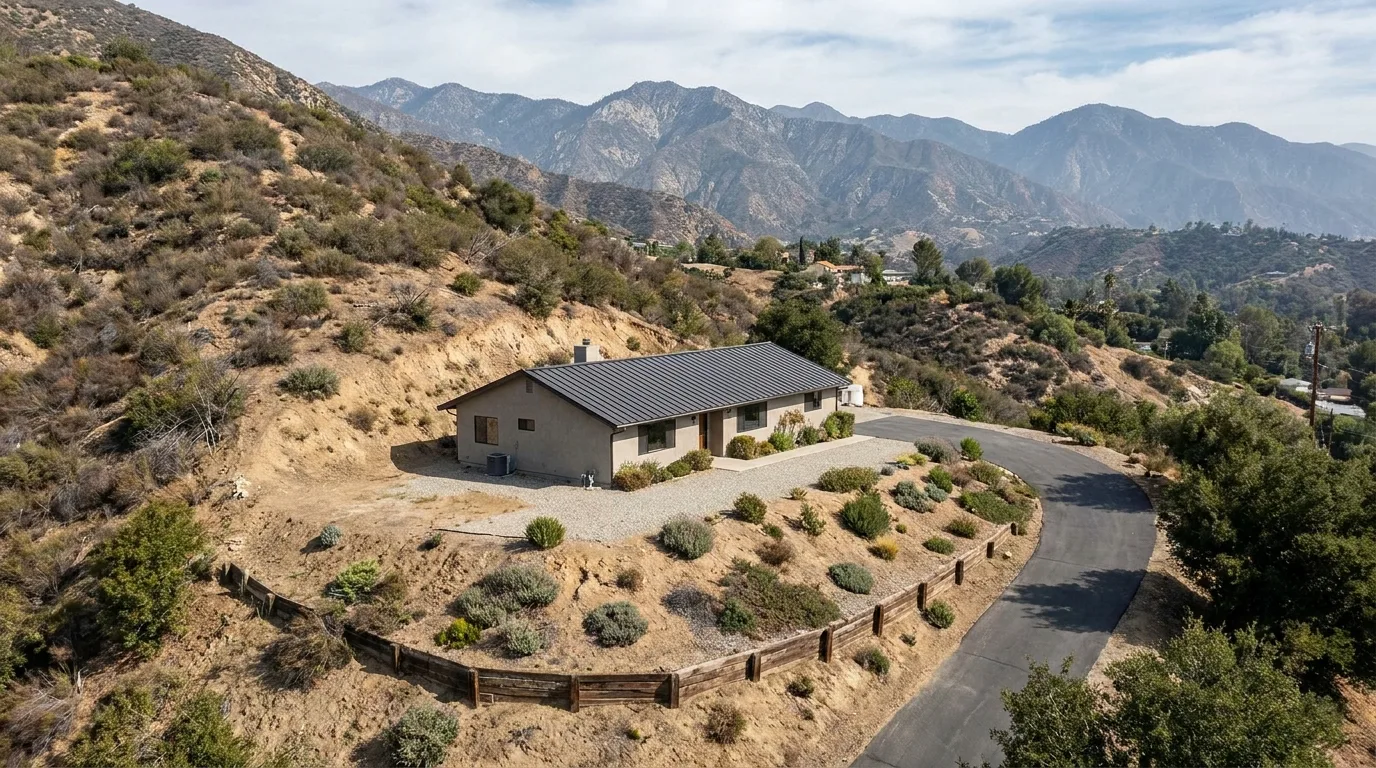
If your home sits in the La Crescenta, Montrose, or La Cañada Flintridge foothills, wildfire rules are part of your remodel whether you planned for them or not. The good news: the requirements are more specific, and more manageable, than most homeowners expect. You are not being asked to rebuild your whole house to a new standard. You are being asked to build the new work the right way.
Here is what actually applies in 2026, and how it plays out at the permit counter where you live.
Not sure whether your foothill project triggers fire-code upgrades?
The free checklist walks you through confirming your zone and your jurisdiction, and shows which parts of the code your project actually touches — before you spend a dollar on plans.
Get the free Foothill Fire-Code Checklist
It is free and we will ask for your email so we can send it. No sales follow-up.
The code changed names in 2026 — here's what governs now
For years, wildfire construction lived in Chapter 7A of the California Building Code. As of January 1, 2026, those requirements live in a standalone book: the 2025 California Wildland-Urban Interface Code (CWUIC).
If a contractor is still quoting you "Chapter 7A," that's the old citation. The rules are largely similar in spirit, but the reference has moved, and current permits are written against the new code.
It applies to the work you do — not your entire existing house
This is the single biggest source of confusion, so let's be clear. The WUI code is not retroactive to your whole home. It attaches to the work performed: new construction, additions, and modifications. If you build an addition, that addition meets current standards. Your untouched 1978 bedrooms do not have to be brought up to code because you remodeled the kitchen.
There is one important exception worth knowing: if you replace a large share of your roof covering, that can trigger roofing compliance for the roof. So a full re-roof is a different conversation than patching a section.
The elements the code cares about
When your new work does fall under the WUI code, these are the pieces that get attention:
- A roof assembly with a Class A fire rating. Some assemblies — metal, clay or concrete tile, or slate on a noncombustible deck — count as Class A without testing.
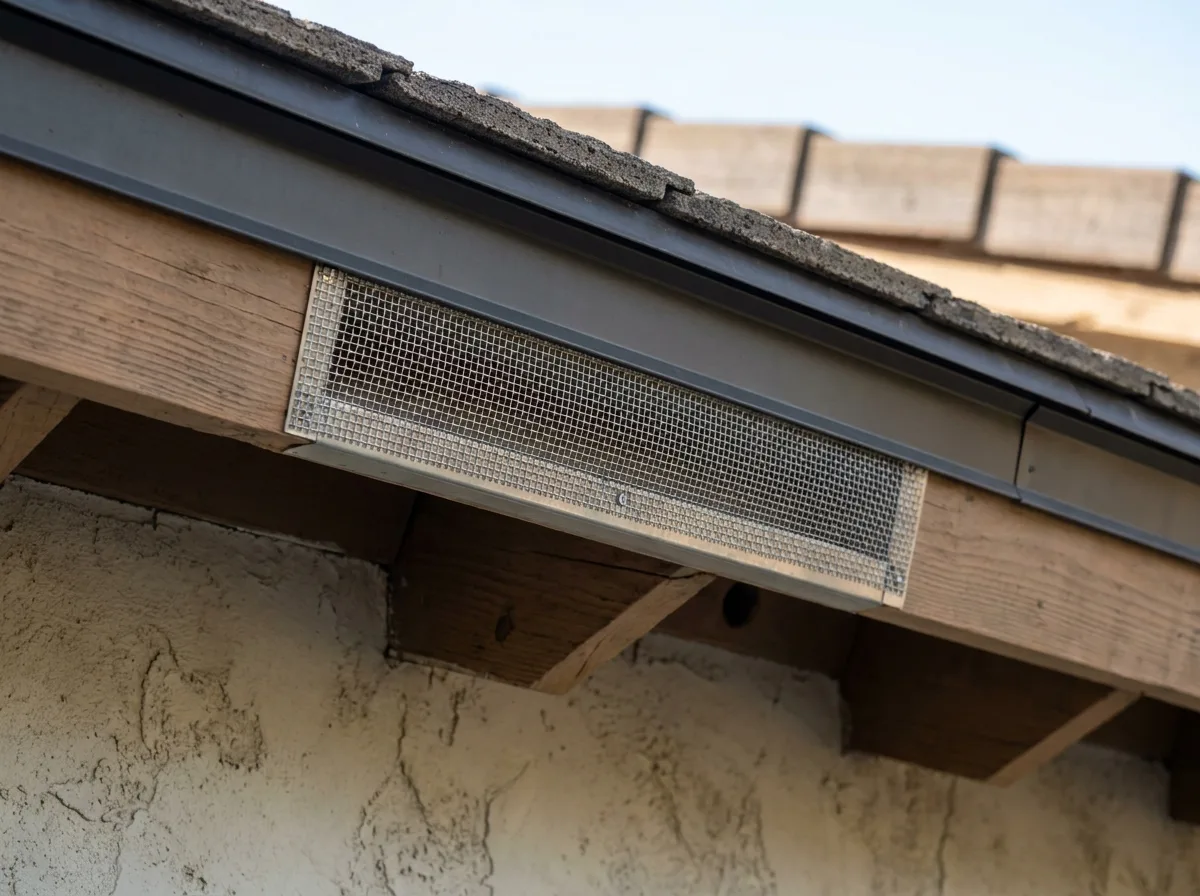
- Vents that resist flames and embers: State Fire Marshal-listed WUI vents, or, for roof vents, noncombustible corrosion-resistant mesh with openings between 1/16 inch and 1/8 inch.
- Ignition-resistant eaves and soffits, exterior walls, underfloor areas, and decking.
- Windows with multipane glazing, at least one pane tempered (glass block and fire-rated glazing are listed alternatives).
None of this is exotic. It's a well-understood menu of materials, and a builder who works in the foothills sources them routinely.
Defensible space, capped at your property line
Separate from how you build is how you keep the land around the house. State law requires defensible space around homes in fire hazard areas. Whether your parcel is covered, and exactly what clearance it requires, are parcel-specific questions. Confirm both with the Los Angeles County Fire Department, which enforces defensible space locally.
You may also hear about "Zone 0," the ember-resistant first five feet around a house. Statewide Zone 0 rules have been in development. Treat the idea as coming rather than current, and confirm where it stands with your local fire authority before you plan around it.
Whether your parcel carries the Very High designation is something to confirm on the official state Fire Hazard Severity Zone map — never assume it from a neighbor's status. The state periodically updates its zone maps, so an older assumption about your street may simply be out of date.
Planning a foothill remodel on either side of the city line?
The free checklist maps your fire-code path start to finish — zone, jurisdiction, construction elements, and the tree rules.
Get the free Foothill Fire-Code Checklist
Free, delivered to your email. No sales follow-up.
Same state code, two different permit counters
Here's where a lot of advice goes wrong. The WUI code is statewide, but it applies where the state and local maps say it does: state responsibility area lands, High and Very High Fire Hazard Severity Zones, and locally designated wildland-urban interface areas. Most foothill parcels around La Crescenta carry one of those designations, but it is parcel-specific — check yours rather than assuming. And who issues your permit depends on which side of a city line you're on, because the two sides are not the same.
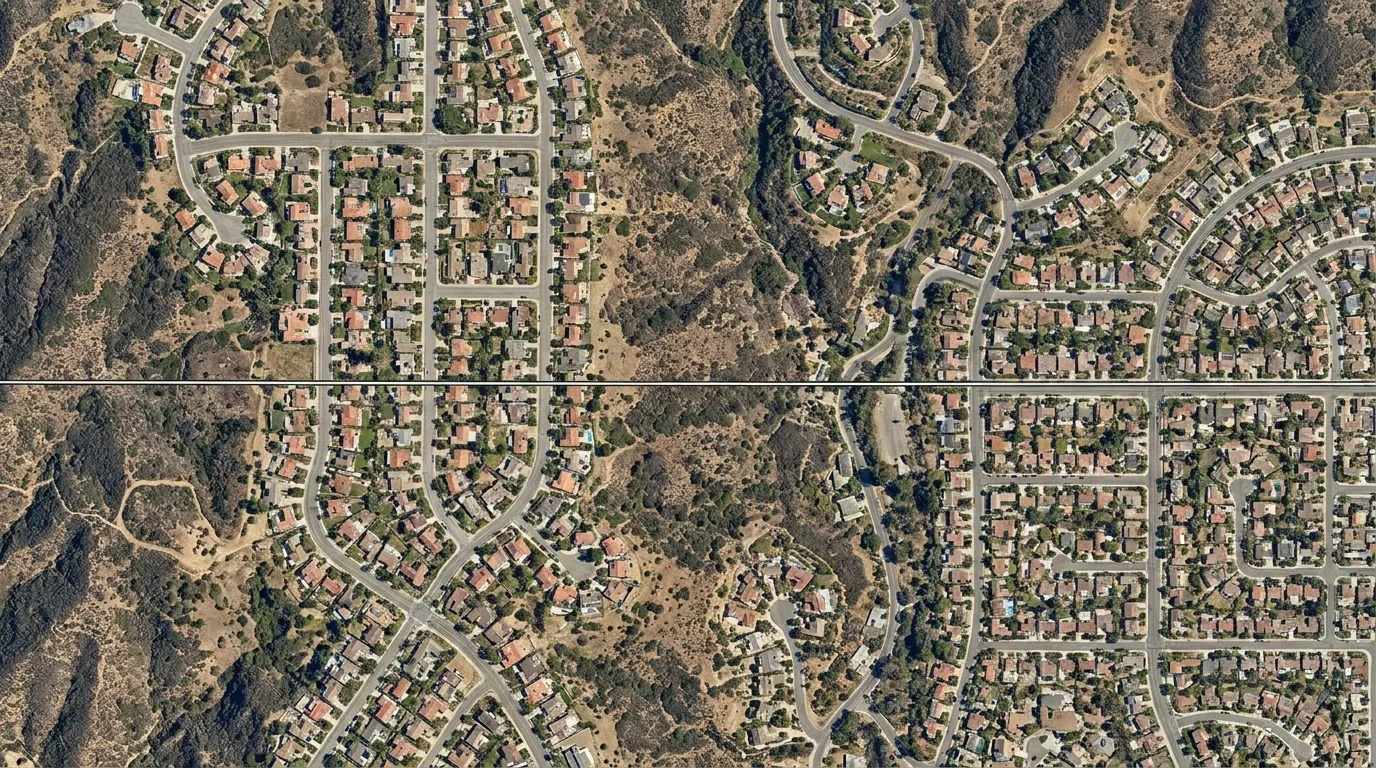
If you're in unincorporated La Crescenta-Montrose, you're under Los Angeles County. Building permits go through County Building & Safety via the EPIC-LA portal, planning through County Regional Planning. The area also has the La Crescenta-Montrose Community Standards District (County Code Section 22.320.120, per Ordinance 2025-0010, adopted March 11, 2025), and protected oak trees are handled under the County's oak tree ordinance.
If you're in La Cañada Flintridge, you're in a separate incorporated city with its own Planning and Building & Safety divisions and its own permitting process. The County's Community Standards District, EPIC-LA, and County oak-tree chapter do not apply to LCF parcels. Same state fire code, entirely different local process.
Knowing which counter you're at before you start saves real time and avoids submitting to the wrong agency.
Where to start
Confirm your fire hazard zone, confirm your jurisdiction, and scope your project against the work that's actually being touched. Do that up front and the fire code becomes a checklist, not a surprise. If you'd like a hand mapping it for your specific address, that's exactly the kind of thing we sort out before plans are drawn on our whole-home remodels across the La Crescenta foothills.