LADBS Permits for a Complete Remodeling in Woodland Hills: What to Expect
A complete remodeling in Woodland Hills triggers LADBS plan review, multiple inspections, and often a field visit before permits issue. Homeowners who understand what the city looks for during the walkthrough—existing conditions, setbacks, hillside compliance, and prior alterations—avoid delays and budget surprises. Experienced contractors walk the property with the owner early, identify red flags, and prepare the permit package so the city's questions are already answered.
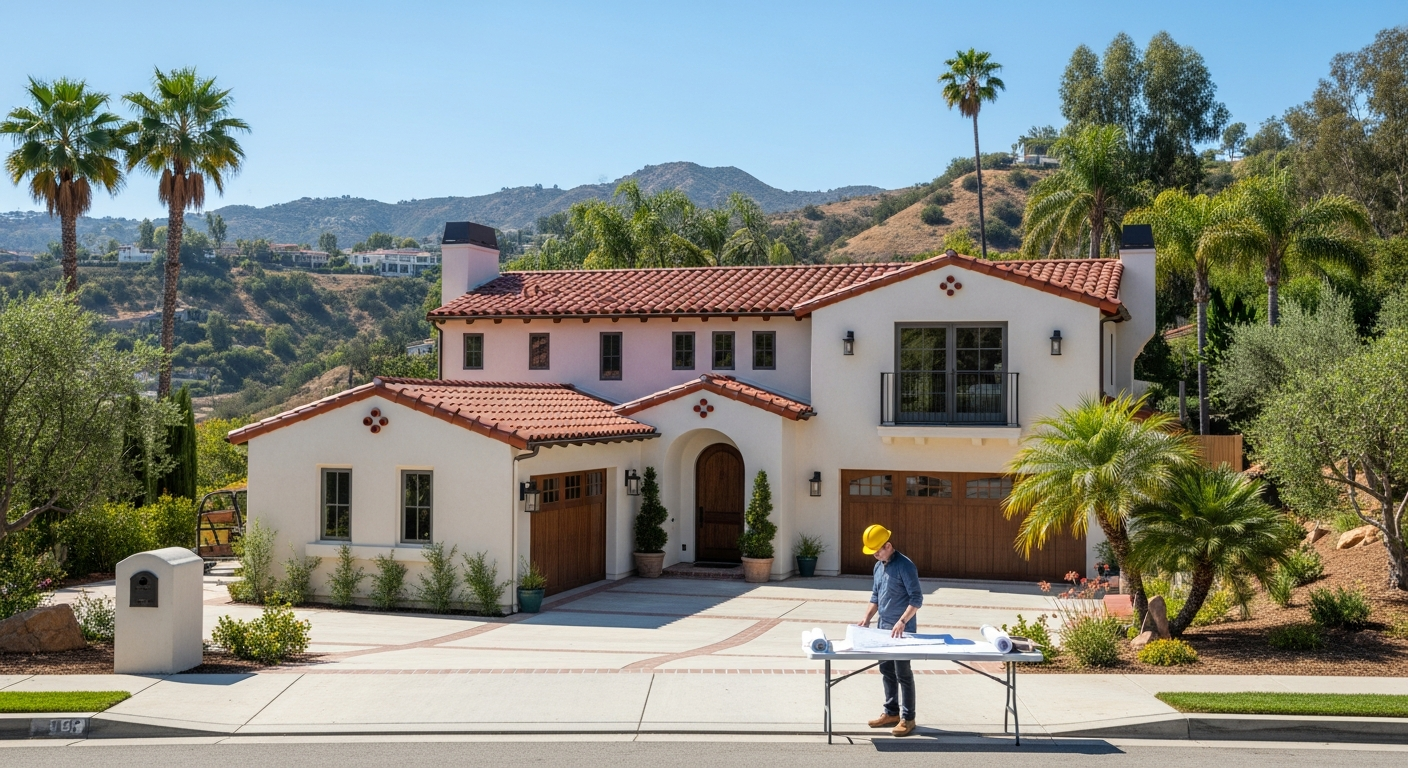
Woodland Hills sits in the hillside zone where LADBS applies extra scrutiny to any project that changes the building envelope or structural system. A complete remodeling—kitchen, baths, new windows, electrical panel, maybe a room addition—means the city will send a plan checker to review drawings and often schedule a field visit before issuing permits. That walkthrough is where the inspector confirms setbacks, verifies existing square footage, checks for prior work not on the property's permit record, and flags any hillside grading or drainage concerns. Homeowners who prepare for this step with their contractor avoid the common trap of discovering compliance issues after the design is finished.
What LADBS Actually Does During the Walkthrough
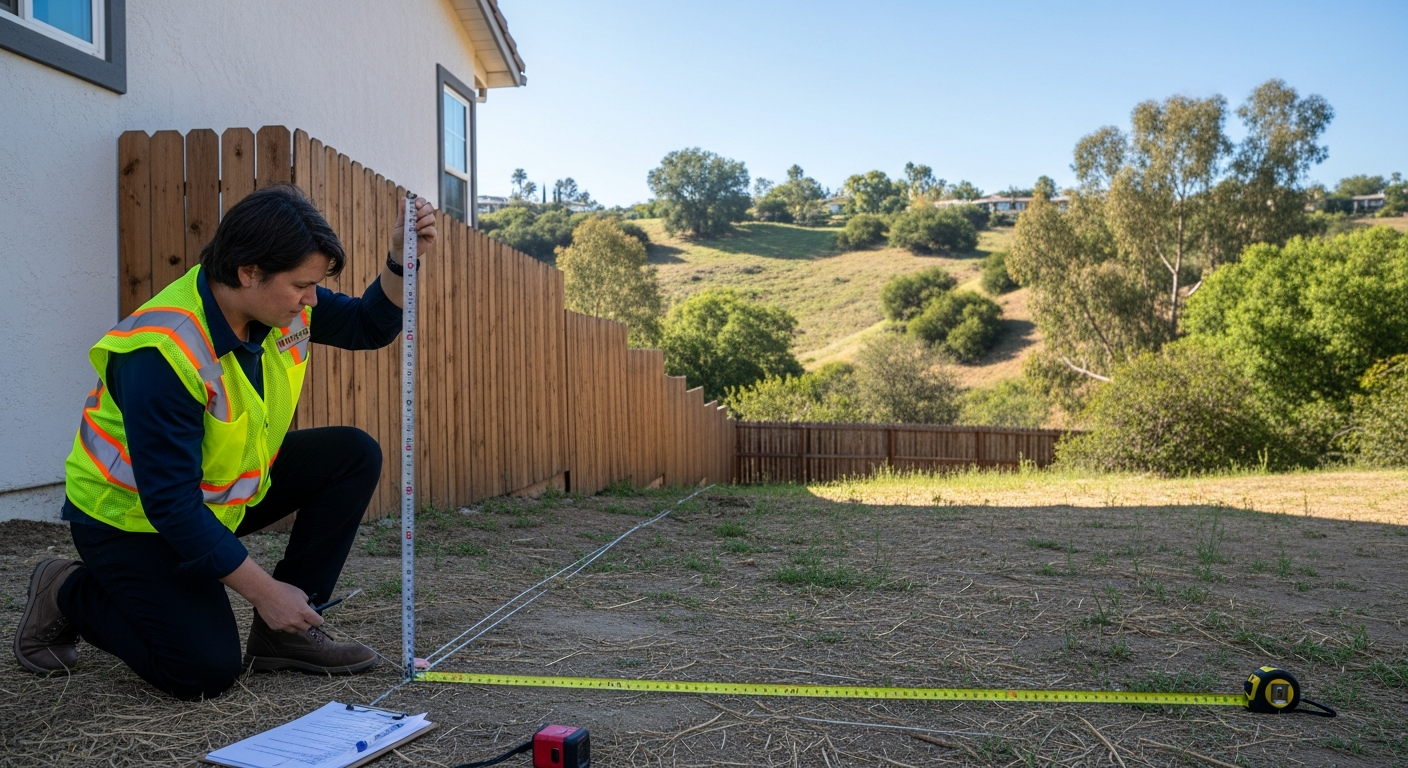
The term walkthrough can mean two things: the initial site visit the contractor does with the owner to scope the project, and the city's field inspection before permit issuance. LADBS uses the second kind when the submitted plans raise questions about existing conditions. The inspector measures setbacks from property lines, confirms the building footprint matches assessor records, looks for unpermitted additions or conversions, and checks that drainage flows away from neighboring properties. In Woodland Hills hillside lots, the inspector also verifies that any proposed grading or retaining walls comply with the Baseline Hillside Ordinance. If the plans show a second story or expanded footprint, the city wants to see that the new structure stays within zoning envelopes and does not create view obstruction for adjacent homes.
Where Homeowners Trip Up Before Permits Issue
The most common delay happens when the city discovers alterations the property's permit history does not show. A garage converted to living space, a patio cover enclosed without permits, or a bathroom added in the basement—all of these require retroactive plan check and sometimes structural calculations before LADBS will approve the new work. The second pitfall is setback encroachment. Woodland Hills has varied zoning, and older homes sometimes sit closer to side or rear property lines than current code allows. If the remodel includes structural changes to those walls, the city may require a zoning variance or a reduction in scope. The third issue is Title 24 energy compliance. How much of the current energy code applies depends on the scope of the alteration, and on a whole-house project that can mean energy calculations, duct testing, and insulation upgrades. Homeowners who budget only for the cosmetic finishes discover that bringing the entire house up to current energy code adds scope they did not anticipate.
- Prior work outside the permitted scope must be documented and brought into compliance before new permits issue.
- Setback measurements are taken from the true property line, not from fences or landscaping that may have shifted over time.
- Energy compliance applies to the entire conditioned space when the remodel exceeds the threshold, not just the rooms being renovated.
- In the hillside grading area, storm water infiltration is not allowed, and the drainage design is reviewed and approved by the LADBS Grading Division.
What to Ask the Contractor Before Signing
The contractor's initial walkthrough is the moment to surface every compliance question. Ask whether the existing square footage matches assessor records and whether any prior alterations appear on the city's permit database. Ask how setbacks will be verified and whether a survey is needed. Ask what happens if the city flags unpermitted work during their field visit. A contractor experienced in Woodland Hills home remodeling will already have a checklist for these items and will budget time for the city's review cycle. The contractor should also explain how Title 24 compliance will be documented—whether through performance calculations or prescriptive measures—and what that means for insulation, windows, and HVAC. If the project includes any additions, ask how the new footprint stays within zoning limits and whether neighbors will receive notice. The goal is to confirm that the contractor has walked similar projects through LADBS and knows which details the city will scrutinize.

Woodland Hills Hillside and Zoning Compliance
Much of Woodland Hills falls under hillside overlay zones where grading, retaining walls, and building height are regulated beyond the base zoning code. If the remodel includes any site work—new driveway, retaining wall, or drainage swale—the plans must show existing and proposed contours, and the soils engineer's report is reviewed and approved by the Grading Division. LADBS will not issue permits until the grading plan is approved by the Department of Building and Safety's grading division. For projects that add a second story or expand the roofline, the plans have to show that height stays inside the maximum envelope height the Baseline Hillside Ordinance sets for the zone. Depending on the project, other city departments may add their own review on top of LADBS, and that time has to be in the schedule from the start. Contractors who work regularly in the hillside zone know to order a topographic survey early and to coordinate with a civil engineer before submitting plans. If your parcel is in that band, what a hillside lot adds to a complete remodel covers the soils, drainage, and staging side in depth.
Kitchen and Bathroom Remodeling Within the Larger Scope
A complete remodeling often starts with kitchen remodeling as the anchor space of the whole project, then brings in bathroom remodeling, flooring, paint, windows, and electrical throughout the house. LADBS treats the entire scope as one project, so the permit set must show all work even if the rooms are renovated in phases. The city wants to see the complete scope on the drawings — the new kitchen and bathroom layouts and every plumbing and electrical change — so plan check can review the whole project at once. If the remodel includes moving walls or adding a powder room, the structural engineer must confirm that the framing can support the new loads. Homeowners sometimes assume that cosmetic updates do not require permits, but once the project is classified as a complete remodeling, every change must be documented. The contractor's job is to capture all of this in the initial walkthrough so the permit drawings are complete the first time they go to the city.
Inspection Sequence and What the City Verifies
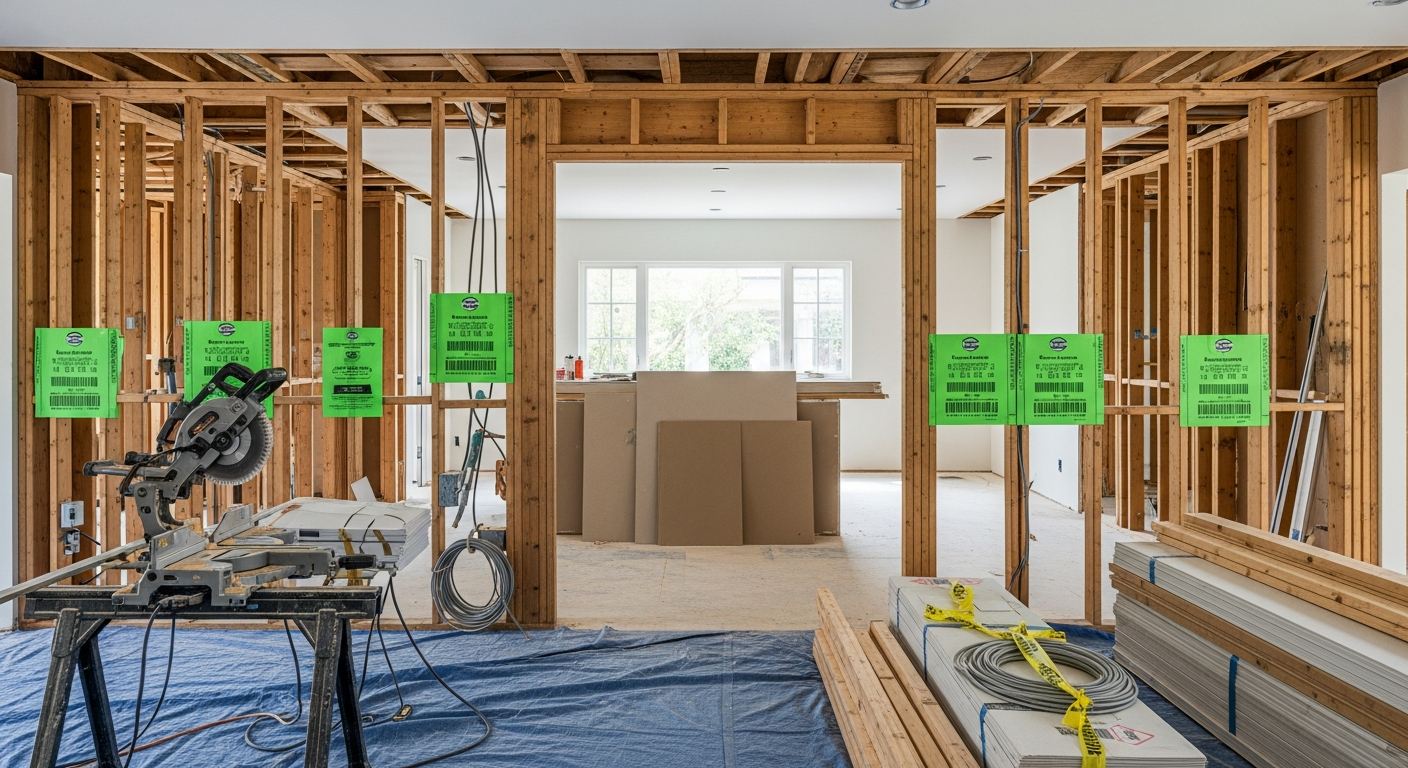
After permits issue, the work is inspected in stages, and nothing may be covered before the inspector has signed off. LADBS's own homeowner guide sets out the core sequence: groundwork, called when footing excavations, reinforcing steel, forms and the groundwork plumbing and electrical are in place but before any concrete is poured; rough, called once framing is complete and the plumbing piping, electrical wiring and heating ducts are installed but still open; and final, when construction is finished. A complete remodeling normally adds inspection calls for its separate trade permits on top of those, so ask your contractor for the schedule your particular permits will carry. At each stop the inspector verifies that the work matches the approved plans and that code requirements are met. At the rough stage the framing, the plumbing piping, the electrical wiring and the heating ducts are all in place and still open, so the inspector can see the work before anything is covered. Where insulation is inspected, it is checked against the Title 24 values shown on the approved plans, along with sealing of the building envelope. The final inspection covers everything from handrail height to smoke detector placement. Each inspection must pass before the next phase of work can proceed, so contractors schedule them in sequence and address any corrections immediately.
How Experienced Contractors Manage the LADBS Process
Contractors who have walked dozens of projects through LADBS know that the key is front-loading the compliance work. That means ordering surveys, researching permit history, and identifying code triggers during the initial walkthrough. It means coordinating with the structural engineer and Title 24 consultant before the architectural drawings are finished, so the permit set is complete when it goes to the city. It means scheduling the city's field visit early, so any surprises are resolved before construction starts. And it means maintaining a clean job site and clear documentation so inspections pass on the first call. Homeowners benefit from this process because they see a realistic schedule from the start and they avoid the budget creep that comes from discovering compliance issues mid-project. The contractor's experience shows up not in promises about speed, but in the thoroughness of the planning phase and the absence of surprises once permits are in hand.

Preparing Your Woodland Hills Property for the Walkthrough
Before the contractor's initial walkthrough, homeowners can help by gathering any existing plans, permits, or inspection records they have on file. If the house has had prior additions or a roofing replacement, those documents show what the city already knows about the property. Clear access to all areas of the house—attic, crawl space, garage, basement—lets the contractor see the existing framing, plumbing, and electrical systems. If the property has retaining walls, drainage swales, or hillside grading, photos and measurements help the civil engineer prepare the grading plan. Homeowners should also walk the property lines and note any fences, easements, or encroachments that might affect setbacks. The more information the contractor has during that first visit, the more accurate the scope and the fewer surprises during the city's field inspection. This preparation does not cost anything, but it saves time and prevents the delays that come from incomplete information.
What Separates Organized Projects from Problem Jobs
The difference between a smooth remodel and one that stalls at the permit stage is almost always the quality of the initial walkthrough. Contractors who take the time to document existing conditions, research permit history, and identify code triggers give homeowners a realistic picture of what the project entails. Contractors who skip that step and submit plans based on assumptions end up revising drawings, ordering additional engineering, and explaining delays. LADBS does not negotiate on compliance, so the only path forward is to address every item the city flags. Homeowners who choose a contractor based on thoroughness rather than optimism see the benefit when permits issue on schedule and inspections pass without corrections. That thoroughness is not about paperwork for its own sake—it is about knowing what the city will ask and having the answers ready before the question is asked.
FAQ
Does LADBS always require a field visit before issuing permits for a complete remodeling in Woodland Hills?
Not always, but it is common when the plans show structural changes, additions, or work in hillside zones. The city uses the field visit to verify setbacks, confirm existing square footage, and check for prior work not on the property's permit record. Contractors experienced in Woodland Hills anticipate this step and prepare the documentation the city will request.
What happens if the city discovers prior alterations outside the permitted scope during the walkthrough?
The city will require those alterations to be documented and brought into compliance before issuing permits for the new work. This can mean retroactive plan check, structural calculations, and additional inspections. The delay depends on the scope of the prior work, which is why contractors research permit history during the initial walkthrough.
How does Title 24 energy compliance apply to a complete remodeling?
How much of the current energy code a remodel has to meet depends on the scope of the alteration, and an extensive remodel can pull in insulation upgrades, duct sealing, and sometimes window replacement. The contractor coordinates with a Title 24 consultant to prepare the compliance documentation that LADBS requires before issuing permits.
Can I start demolition while waiting for LADBS permits to issue?
No. All work must wait until permits are issued and posted at the job site. Starting early risks an Order To Comply from the city, with fees and penalties on top of the permits you still have to obtain. Contractors schedule the work to begin immediately after permits are in hand, so there is no gap between approval and construction start.