Signs You Hired the Wrong Contractor for a Complete Remodel in Los Angeles
The wrong contractor for a complete remodel in Los Angeles shows up in predictable ways: permit applications that stall or never get filed, subcontractors who don't know the scope, change-order requests before demo starts, and silence when you ask about LADBS inspection schedules. Experienced general contractors confirm the permit path during the walkthrough, coordinate all trades under one timeline, and explain what Title 24 compliance means for your specific property before you sign anything.

What Does 'Wrong Contractor' Actually Mean for a Complete Remodel in Los Angeles?
The wrong contractor is one whose CSLB license doesn't match the scope they bid, who can't explain the LADBS permit process for your specific property, or who treats the contract as a starting point for negotiation rather than a fixed scope. In Los Angeles, where complete remodels trigger Title 24 energy compliance, structural plan-check, and often HPOZ or hillside overlay review, the contractor's ability to navigate city requirements shows up in the first conversation—or doesn't.
A complete remodel means different things depending on the property. For a 1950s ranch in Encino it might be opening the kitchen to the living room, adding a primary suite, and replacing all mechanical systems. For a hillside home in Sherman Oaks it includes foundation underpinning and retaining-wall work that triggers geotechnical review. The contractor who bids both jobs the same way is the wrong contractor for at least one of them.

The Estimate Arrives Too Fast
A thorough estimate for a complete remodel requires measuring every room, photographing existing conditions, noting the panel amperage, checking crawl-space access, and asking about prior alterations that may not appear on the property's permit record. That process takes hours on-site, then more time to price materials and coordinate subcontractor bids. When a contractor emails a number the same afternoon after a twenty-minute walkthrough, the estimate is built on assumptions rather than measurements — and those assumptions become change orders once framing opens and the real conditions appear: galvanized supply lines that need replacement, ceiling joists that sag, or a foundation crack that wasn't visible under carpet.
The Permit Application Never Gets Filed—or Stalls for Unclear Reasons
The clearest red flag is a contractor who promises to handle permits but never submits the application to LADBS, or submits incomplete plans that sit in correction cycles indefinitely. Los Angeles plan-check for a complete remodel requires structural calculations, Title 24 energy compliance forms, and often soils reports or foundation details. If the contractor didn't budget for a licensed engineer or doesn't understand what the city requires, the application stalls and the project can't start legally.
Some contractors will suggest starting demo or framing work while the permit is 'in process.' That approach creates two problems: the city can issue an Order to Comply if an inspector drives by, and any work completed before plan approval may need to be redone to match the approved drawings. Organized contractors don't break ground until the permit is issued and posted on-site, because the inspection sequence depends on it.
When a contractor goes silent about permit status, it usually means one of three things: they never filed, they filed incomplete plans and don't know how to respond to corrections, or they're waiting for a third-party engineer who also isn't responding. The homeowner deserves a clear answer at every stage, and experienced contractors provide weekly updates during the plan-check process because they know the city's review queue moves in predictable cycles.
Subcontractors Show Up Without Knowing the Scope
When the framing crew arrives and asks where the new bathroom is going, or the electrician doesn't know whether the panel is being upgraded, the general contractor didn't coordinate the scope with the trades. A complete remodel in Los Angeles involves at least six licensed trades—framing, electrical, plumbing, HVAC, insulation, drywall—and each one needs to understand how their work fits into the sequence and what the next trade expects to find.
Experienced general contractors hold a pre-construction meeting with all major trades present. They walk the property, review the approved plans, and confirm the inspection sequence. The electrician knows the panel upgrade happens before rough-in, the plumber knows whether the sewer lateral is being replaced, and the framing crew knows which walls are structural and which are partition. When that meeting doesn't happen, every trade makes assumptions and the assumptions don't align.
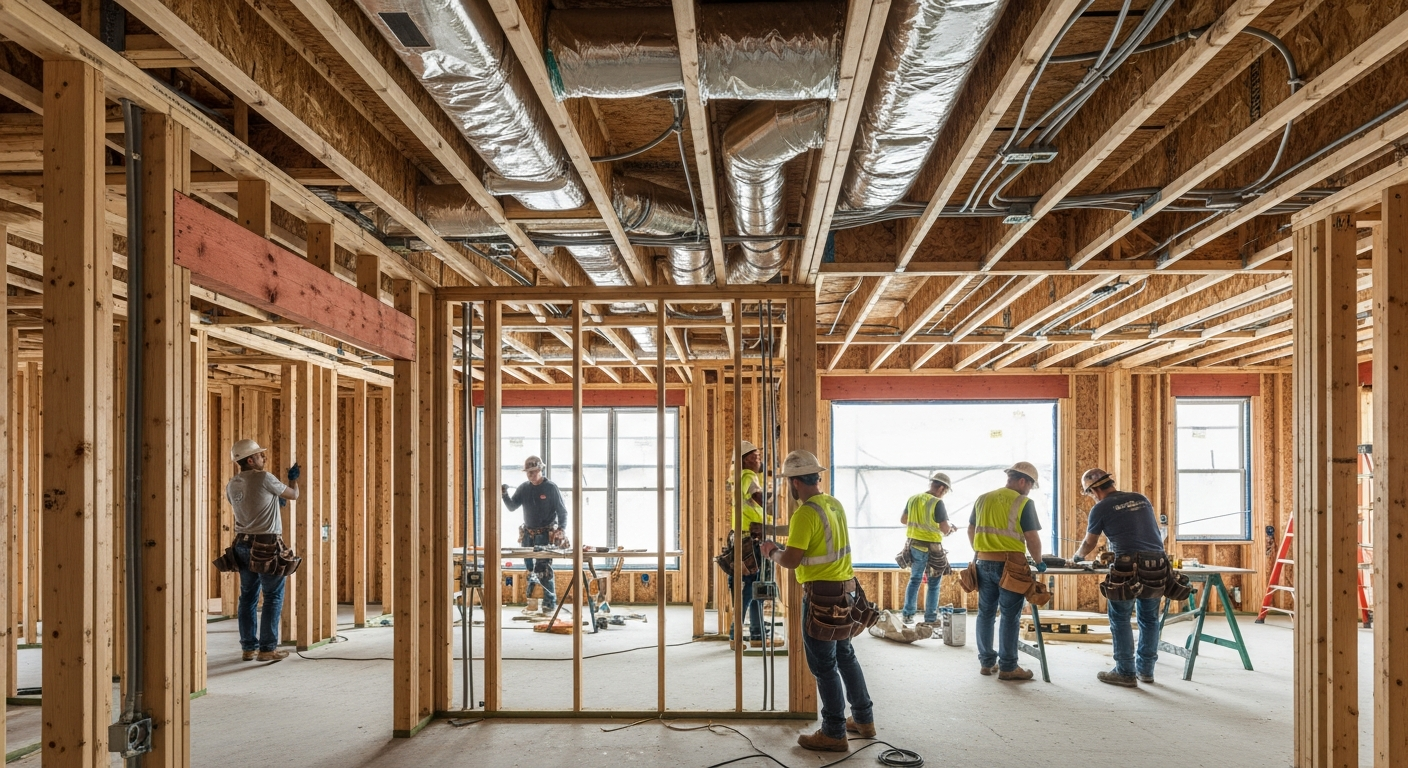
Change Orders Appear Before Demo Starts
A contractor who submits change-order requests before the first wall comes down didn't scope the project correctly during the walkthrough. Change orders are normal when you open a wall and find conditions that weren't visible—rotted framing, outdated wiring, a hidden beam—but requests that appear before demo usually mean the contractor underbid the job and is trying to recover margin through additions.
Common pre-demo change orders include 'unforeseen' permit fees, engineering that should have been in the base bid, or upgraded materials that were specified in the original scope. Experienced contractors include all permit-related costs, structural engineering, and Title 24 compliance work in the contract, because those items are predictable for anyone who has pulled a complete-remodel permit in Los Angeles before. If the contractor didn't know those costs up front, they haven't done enough of these projects to bid accurately.
The other pattern is the contractor who verbally agrees to a scope during the walkthrough but writes a vague contract that leaves room for interpretation. When the homeowner expects new windows throughout and the contract says 'window replacement as needed,' the dispute starts the day the first invoice arrives. Clear contracts specify every included item and every exclusion.
The Contractor Can't Explain What Title 24 Compliance Means for Your Property
California Title 24 energy code applies to every complete remodel that alters more than a certain portion of the building envelope or replaces major mechanical systems. In Los Angeles that means new insulation values, duct-sealing tests, and often solar-ready electrical infrastructure. A contractor who doesn't mention Title 24 during the bid process either doesn't understand the code or plans to ignore it, and both outcomes create problems when the city inspector shows up.
Title 24 compliance isn't optional and it isn't something you add later. The energy calculations inform the insulation spec, the HVAC sizing, and the window U-values. Experienced contractors include a Title 24 consultant in the base bid and provide the compliance forms to LADBS as part of the permit package. Contractors who treat energy compliance as an afterthought end up failing inspections or installing systems that don't meet code, and the homeowner pays to redo the work.
The same principle applies to other Los Angeles-specific requirements. If the property is in an HPOZ district, the contractor should mention design review during the walkthrough. If it's a hillside lot, they should explain whether a soils report or geotechnical review is required. If the existing electrical service is outdated, they should confirm whether LADWP requires a service upgrade. Contractors who don't bring up these topics don't know the local code landscape, and the gaps appear once the permit application is submitted.
Communication Drops After the Contract Is Signed
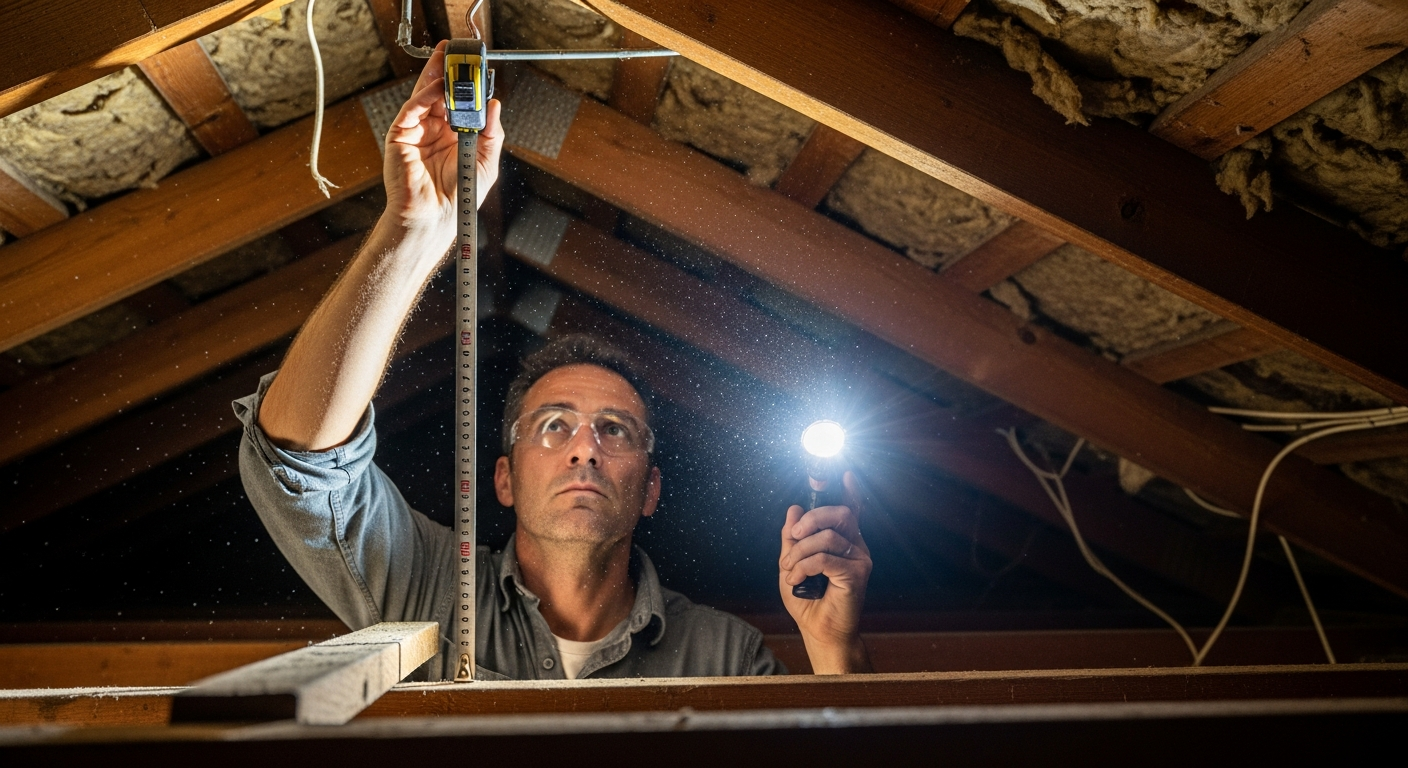
Before you sign, the contractor answers calls, sends detailed emails, and schedules walkthroughs. After the deposit clears, responses slow to a trickle. That pattern is one of the clearest red flags: a complete remodel involves subcontractor schedules, material deliveries, inspection appointments, and design decisions that all shift, and the homeowner needs to hear about changes when they happen — not two weeks later when an inspection fails. Watch also for crews that rotate frequently or disappear mid-job. A general contractor who isn't paying subcontractors on time burns through them, and unpaid subs can file mechanics liens against your property even when you've paid the general contractor in full.
The Contractor Doesn't Carry the Right Insurance or Provide Proof When Asked
Every licensed general contractor in California is required to carry workers' compensation insurance if they have employees, and general liability insurance is standard for any contractor working on residential projects. A contractor who hesitates when you ask for certificates of insurance, or who provides expired documents, is either uninsured or underinsured, and that liability transfers to the homeowner if someone gets hurt on the property.
Experienced contractors provide current insurance certificates without being asked, because they know homeowners and lenders require them. The certificate should list the homeowner as an additional insured and show coverage limits appropriate for the scope of work. Contractors who carry lower limits or no coverage at all are either new to the business or operating outside normal industry practice.

How to Verify a Contractor and What to Do Next
Verify the CSLB license number on the CSLB website, ask for current insurance certificates with the homeowner listed as additional insured, and request references from prior whole-house projects in Los Angeles. Contractors who hold an active CSLB license like #972213 and have completed dozens of complete remodels welcome these questions, because the answers separate experienced contractors from those still learning on someone else's project.
For homeowners planning home remodeling projects that include kitchen remodeling, bathroom remodeling, or ADU construction, the same verification steps apply. The scope may be smaller, but the permit process, the coordination requirements, and the need for clear communication are identical.
FAQ
How can I verify a contractor's CSLB license before signing a contract?
Visit the CSLB website and search by license number or business name. The lookup shows license status, bond information, and any disciplinary history. A valid license is required to pull permits in Los Angeles, and contractors with suspended or expired licenses cannot legally perform the work.
What should I do if my contractor hasn't filed the permit application after several weeks?
Send a written request asking for the permit application number and current status. If the contractor doesn't respond or can't provide proof the application was submitted to LADBS, that's a red flag. You can verify permit status directly on the LADBS website using the property address.
Is it normal for a contractor to request change orders before demolition starts?
No. Change orders before demo usually indicate the contractor underbid the project or didn't include predictable costs like permits, engineering, or Title 24 compliance. Experienced contractors include all foreseeable costs in the base contract and reserve change orders for conditions discovered during construction.
What does Title 24 compliance mean for a complete remodel in Los Angeles?
Title 24 is California's energy code, requiring specific insulation values, duct sealing, and sometimes solar-ready infrastructure when you alter the building envelope or replace mechanical systems. Compliance is mandatory and must be documented during the permit process. Contractors who don't mention Title 24 during the bid likely don't understand the requirements.
What's a reasonable payment schedule for a complete remodel?
Payments should tie to completed milestones—permit issuance, rough framing inspection, rough plumbing and electrical sign-off, drywall and insulation, final inspection—not calendar dates. A large upfront deposit before any work starts is a warning sign. The final payment should be held until all inspections pass and punch-list items are complete.