Whole-House Remodel vs Room-by-Room: Which Fits in Los Angeles
Los Angeles homeowners often ask whether to tackle an entire house at once or break the work into separate room projects. The answer depends on permit requirements, how long you can live elsewhere or tolerate construction, and whether your electrical panel and plumbing can support the changes you want. Experienced contractors walk through the property first to identify which systems need upgrades before any finish work begins.

What Whole-House and Room-by-Room Actually Mean in Los Angeles
A whole-house remodel means opening multiple rooms under one permit set, coordinating all trades at the same time, and usually moving out for the duration. Room-by-room means pulling separate permits for each space, living in the house while one area is torn apart, and scheduling trades in phases. Neither approach is inherently better; the right choice depends on your property's condition, your budget flexibility, and how much disruption you can manage. In Los Angeles the permit process through LADBS often determines which path makes sense, because combining work under a single plan-check cycle can save months compared to submitting three separate kitchen, bathroom, and bedroom permit applications over two years.
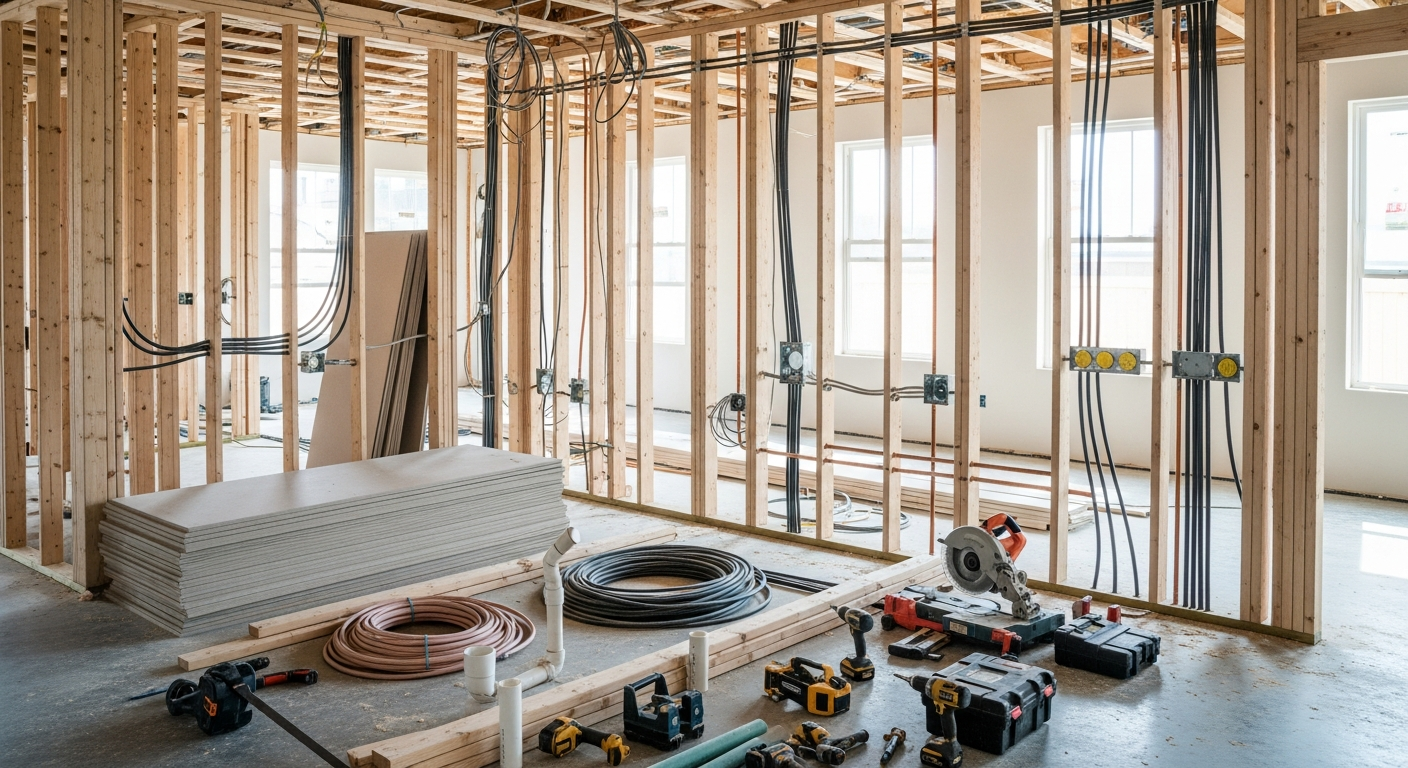
Whole-house projects let the contractor address hidden issues all at once. When walls are open in every room the electrician can rewire the entire panel, the plumber can replace galvanized supply lines from the street to every fixture, and the framer can sister joists or add shear walls wherever the engineer calls for it. Room-by-room work means each phase stops at the doorway; you patch drywall, reinstall baseboards, and close up before moving to the next space. That approach avoids the chaos of a gutted house but creates redundant mobilization costs and makes it harder to catch systemic problems like undersized gas lines or outdated subpanels.
Where Los Angeles Homeowners Trip Up on Scope Decisions
The most common mistake is underestimating how interconnected your systems are. A homeowner will ask for new kitchen cabinets and countertops, then discover the 100-amp panel cannot support an induction range and wall oven simultaneously. Upgrading the panel triggers a Title 24 energy compliance calculation, which may require attic insulation, duct sealing, and low-flow plumbing fixtures throughout the house. At that point the isolated kitchen remodel has expanded into a multi-room project whether you planned for it or not. Experienced contractors identify these cascading requirements during the initial walkthrough so you can decide up front whether to phase the work or tackle everything together.
Another pitfall is assuming room-by-room phasing will always cost less. Breaking a project into three separate permits means three separate plan-check fees, three separate inspection cycles, and three separate contractor mobilizations. The electrician pulls wire to the kitchen, patches the attic access, then returns six months later to pull wire to the bathrooms and reopens the same attic hatch. The painter tapes off doorways, sprays one room, removes the plastic, then returns next year to tape and spray again. Those redundant steps add labor hours that can exceed the savings from spreading payments over time. A single home remodeling contract consolidates trades, reduces setup time, and gives the contractor leverage to schedule inspections efficiently.
- Panel upgrades often trigger whole-house Title 24 compliance even if you only wanted one room remodeled.
- Phased permits mean repeated plan-check fees and separate inspection appointments for each room.
- Hidden issues like outdated plumbing or structural settling show up when walls are open; catching them all at once avoids rework.
- Living in the house during construction limits the contractor's access and slows progress in ways that extend the overall calendar.
Permit and Compliance Realities in Los Angeles
LADBS treats whole-house remodels and room-by-room projects differently. A comprehensive plan set that shows structural, mechanical, electrical, and plumbing changes across the entire footprint goes through one review cycle. The plan checker sees the full scope, confirms the panel upgrade supports the new loads, verifies the foundation can carry the second-story addition, and issues corrections all at once. Room-by-room permits are reviewed in isolation; the kitchen permit examiner has no visibility into the bathroom permit you will submit next year, so each review stands alone. That separation can create conflicts when the second permit requires changes that affect the first completed space.
Hillside properties in neighborhoods like Sherman Oaks or Woodland Hills face additional layers. If your remodel includes any structural changes the city may require a soils report and foundation inspection even if you are not adding square footage. HPOZ districts overlay their own design review on top of LADBS permits, and some HOAs require architectural committee approval before you submit to the city. Whole-house projects consolidate those reviews into one approval process; room-by-room work means navigating the same bureaucracy multiple times. The contractor coordinates submittal timing so you are not waiting months between each phase.

Living in the House vs Moving Out
Room-by-room remodels let you stay in the house because only one area is torn apart at a time. You lose the kitchen for a stretch, eat takeout or use a hot plate in the garage, then move back in when cabinets and appliances are installed. The next phase starts after you have had a few weeks to settle. That approach works if you have flexible schedules, high tolerance for dust and noise, and no young children or pets that need stable routines. The tradeoff is that construction stretches over a longer calendar period because the contractor cannot work in multiple rooms simultaneously and must coordinate around your occupancy.
Whole-house remodels usually require moving out. When the entire interior is open to studs there is no functioning kitchen, bathroom, or HVAC. Dust migrates through every gap, and the lack of interior doors means no privacy or noise separation. Most families rent a short-term apartment or stay with relatives rather than camp in a construction zone. The benefit is speed; with unrestricted jobsite access the framing crew, electrician, plumber, and HVAC installer can work simultaneously in different rooms, and the general contractor can schedule inspections back-to-back without waiting for you to clear out each morning. The project compresses into a shorter overall span even though the intensity is higher.
What to Ask the Contractor Before Signing
Start by asking whether the contractor recommends whole-house or phased work based on what they see during the walkthrough. A good answer references specific conditions: the panel is maxed out and needs an upgrade, the cast-iron drain stack is rusted and should be replaced while walls are open, the attic insulation does not meet current Title 24 minimums. If the contractor immediately pushes the biggest possible scope without explaining why those systems matter, that is a red flag. Experienced builders explain the dependencies so you understand which work can be deferred and which issues will force your hand once you open walls.
Ask how the permit strategy affects the schedule. Will the contractor submit one master permit or separate applications for each room? How long does LADBS plan review typically take for projects of this size? What happens if the city requires corrections during review—does that delay start date or can the contractor begin demo on approved portions while revisions are processed? Clarify who pulls permits, who schedules inspections, and who handles correction notices. Some contractors include permit coordination in their base fee; others charge separately for plan-check management. Knowing that up front prevents confusion when invoices arrive.
- Does the existing electrical panel have capacity for the new loads, or will an upgrade trigger Title 24 compliance across the house?
- Are there any prior alterations not on the property's permit history that need to be documented before new work begins?
- Will the contractor submit one comprehensive permit or separate room-by-room applications, and how does that choice affect the timeline?
- What is the plan for dust containment, jobsite access, and utility shutoffs if you remain in the house during construction?
- How does the payment schedule align with permit milestones and inspection sign-offs?
Budget and Payment Structure Differences
Whole-house contracts typically use a fixed price or cost-plus structure with a detailed scope of work. The contractor prices out every trade, every material package, and every permit fee, then presents one number. You make progress payments tied to milestones: deposit at contract signing, payment after rough framing inspection, payment after rough mechanical inspection, payment after drywall, final payment after final inspection and certificate of occupancy. That structure gives you visibility into where the money goes and ensures the contractor does not get paid ahead of completed work. Room-by-room projects can use the same model but often break into separate contracts for each phase, which means renegotiating scope and pricing every time you are ready to start the next room.
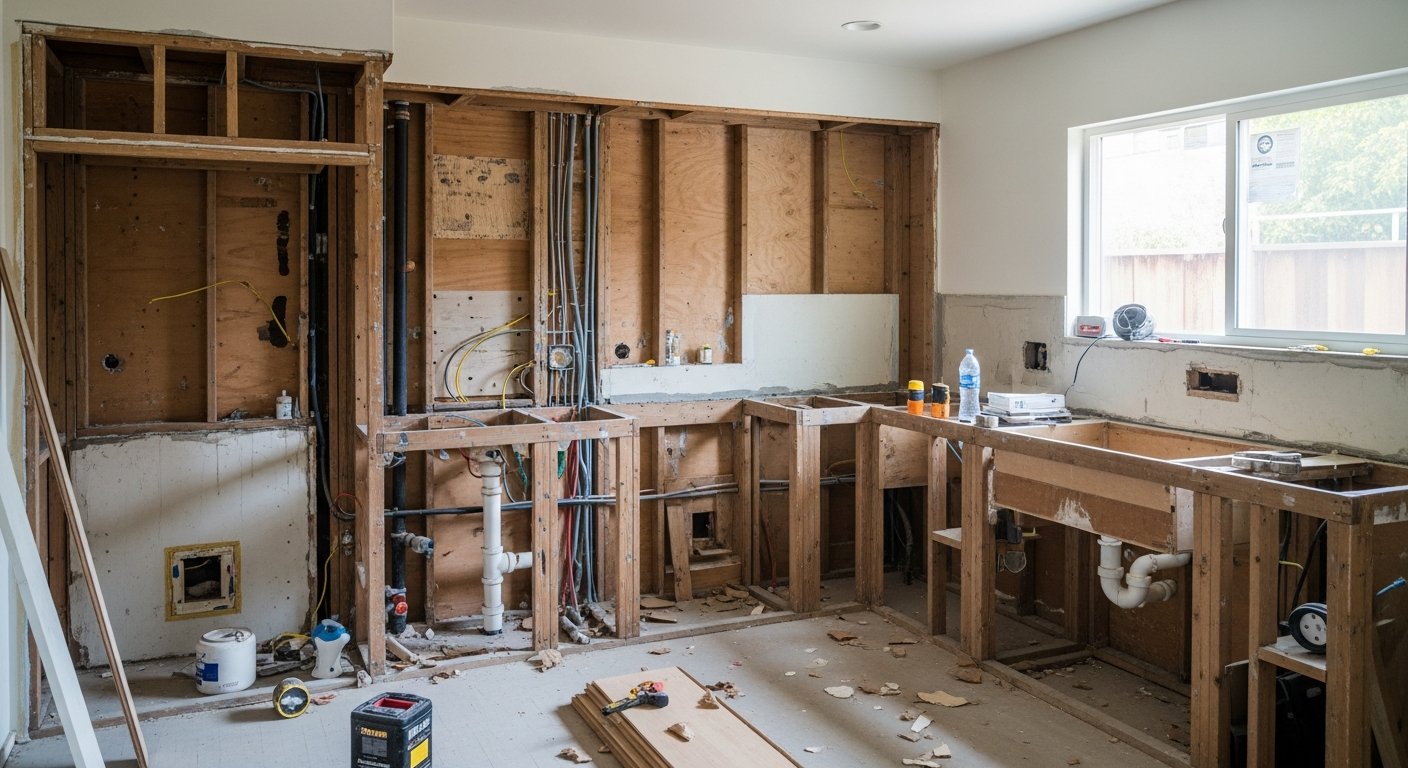
Phased work can also create budget creep. The kitchen remodeling project reveals that the subfloor is rotted and needs replacement. You approve the change order, the work gets done, and six months later the bathroom remodeling phase uncovers the same subfloor issue in a different area. If you had opened both rooms at once the contractor would have priced subfloor replacement for the entire house and completed it in one mobilization. Instead you paid twice for the same scope because the problem was discovered in stages. Whole-house remodels surface those hidden conditions early, letting you make one decision about how to address them rather than facing repeated surprises.
When Room-by-Room Makes Sense
Room-by-room phasing works well when your systems are in good shape and the work is purely cosmetic. If the electrical panel was upgraded recently, the plumbing is copper or PEX, and the HVAC ducts are sealed and insulated, then updating finishes in one room does not cascade into other areas. You can remodel the kitchen this year, live with it for a while, then tackle the bathrooms next year without worrying that deferred work will undermine what you just completed. This approach also suits homeowners who want to test a contractor relationship on a smaller project before committing to a whole-house scope.
Phasing also makes sense if you plan to add square footage later. Some Los Angeles homeowners remodel the existing interior first, live in the improved space for a year or two, then pull a separate permit for an addition or ADU construction once they have saved more or confirmed the layout works for their needs. Breaking the work into two permits—one for interior remodel, one for new construction—keeps each project manageable and avoids the complexity of coordinating finish work in the existing house while framing a new structure. The contractor can focus on one scope at a time, and you avoid the expense of temporary housing for an extended period.
What Experienced Contractors Look For During the Walkthrough
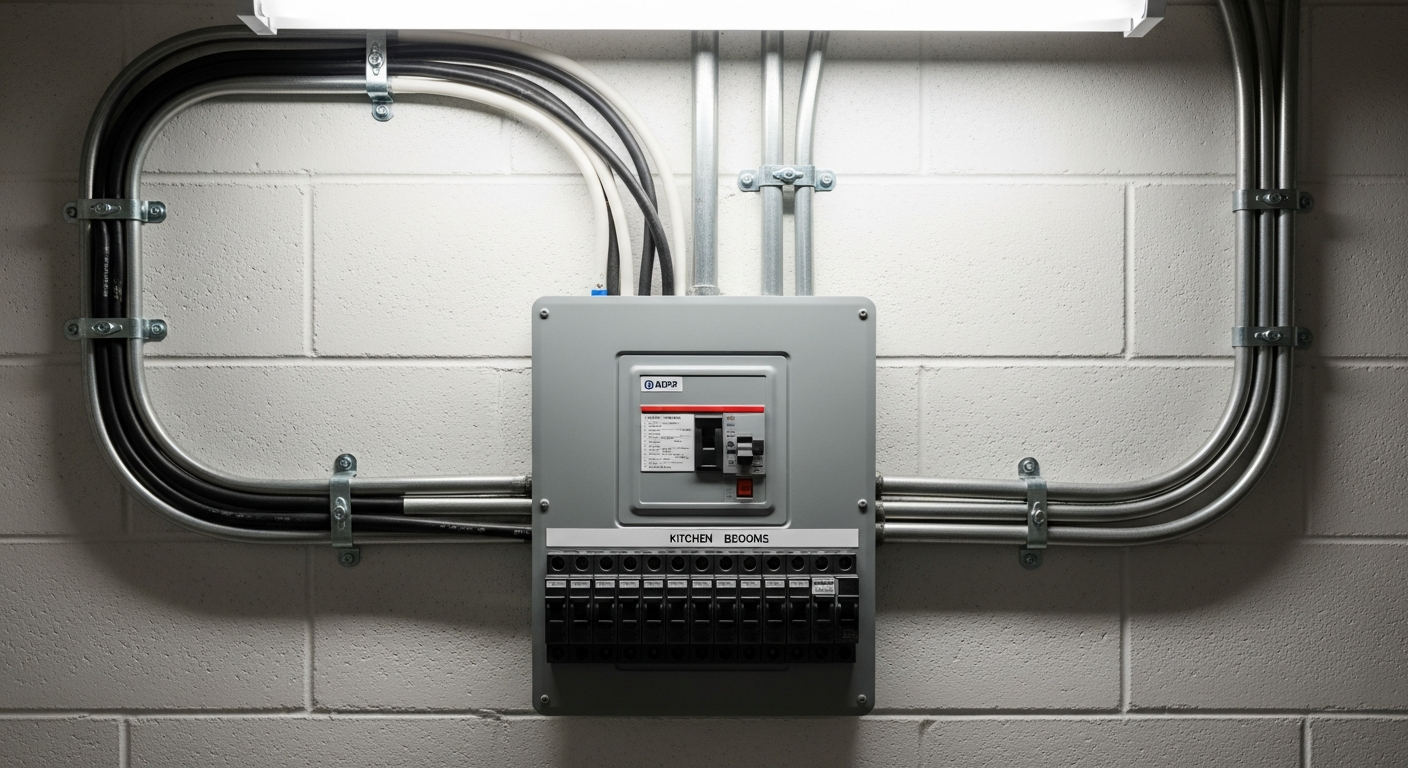
The initial site visit is where the contractor determines whether whole-house or phased work is realistic. They check the panel to see if breaker slots are available and whether the main service is adequate for new loads. They look at the water heater and ask when it was installed, because a tankless upgrade often requires upsizing the gas line and venting through the roof. They open attic hatches to inspect insulation, check for knob-and-tube wiring, and look for signs of roof leaks or pest damage. They walk the perimeter to see if the foundation is cracked, if the stucco is delaminating, and whether grading directs water away from the house. All of those observations inform the recommendation about scope and phasing.
Contractors also ask about your goals beyond the immediate remodel. Are you planning to stay in the house long-term or sell in a few years? Do you have young children who need stable routines, or are you empty nesters who can move out for a few months? Are there any upcoming life events—a new baby, a job relocation, a parent moving in—that would make construction timing critical? Those answers shape the project plan. A family with a newborn might prefer room-by-room work to avoid displacement, while a couple planning to sell in five years might choose a whole-house remodel to maximize the property's condition and avoid piecemeal updates that do not align visually.
How Hillstar Approaches Whole-House and Phased Projects
Hillstar Construction has managed both whole-house remodels and room-by-room projects across Los Angeles for thirty-five years. The process starts with a walkthrough where the project manager documents existing conditions, identifies code-compliance gaps, and discusses your priorities. That walkthrough produces a written assessment that explains which systems need attention, what permit strategy makes sense, and how phasing would affect overall cost and timeline. The goal is to give you enough information to make an informed choice rather than pushing one approach because it is easier for the contractor.
Once you decide on whole-house or phased work, Hillstar coordinates the permit submittals, schedules inspections, and manages trade sequencing so the project moves efficiently. For whole-house remodels that means overlapping rough trades to compress the schedule and scheduling final inspections in logical order so you can move back in as soon as the certificate of occupancy is issued. For phased projects it means closing out each room completely—final inspection, paint touch-up, trim reinstalled—before starting demo in the next space. Either way the focus is on clear communication, realistic scheduling, and delivering the scope you agreed to without surprise changes or unexplained delays.
FAQ
Does a whole-house remodel always require moving out?
Most whole-house remodels do require temporary relocation because the entire interior is open to studs, leaving no functioning kitchen, bathroom, or climate control. Some homeowners stay in the house during early demo and framing phases, then move out once utilities are disconnected. The contractor confirms the realistic occupancy plan during the walkthrough based on the scope and your tolerance for disruption.
Can I start with one room and expand the permit later?
You can submit a new permit for additional rooms after the first project is complete, but LADBS treats each application as a separate review cycle. If the second permit requires changes that affect the first completed space—like a panel upgrade or structural work—you may need to revise the earlier permit or document the prior work. Discussing the full scope with the contractor up front helps avoid those conflicts.
How does Title 24 compliance affect whole-house vs room-by-room remodels?
Title 24 energy standards apply when you alter the building envelope, replace HVAC equipment, or upgrade the electrical panel. A whole-house remodel that includes any of those triggers usually requires a comprehensive energy compliance calculation covering insulation, duct sealing, and water heating. Room-by-room projects may avoid Title 24 if each phase stays below the alteration threshold, but once you cross that line the requirements apply to the entire house regardless of phasing.
What happens if hidden issues appear during a phased remodel?
Hidden issues like rotted framing, outdated wiring, or foundation settling are documented when discovered and addressed through a change order. In phased projects the same issue may appear in multiple rooms over time, requiring separate change orders for each phase. Whole-house remodels surface those problems all at once, letting you make one decision about how to address them across the entire property rather than dealing with repeated surprises.