
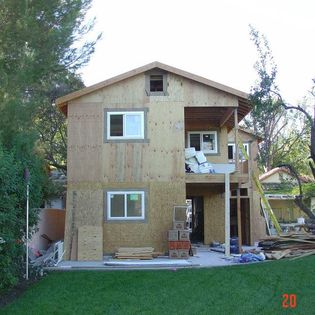
Adding a room is the most direct way to get more house without leaving the neighborhood. It is also a real construction project: zoning, structural engineering, permits, and months of work on a home the family is still living in. This guide walks through how a room addition in Los Angeles actually comes together — from defining the scope, through the types of additions homeowners build, to permits, cost drivers, and the details that make the new space feel original to the house.
Defining the Addition Scope
A room addition expands the house outward, upward, or both. The right scope depends on the lot, the existing structure, and what the family actually needs — extra bedrooms, a bigger kitchen, a real master suite, a home office, or a combination.
A clear scope written room by room is what every other decision rests on. Without it, design and engineering can drift, and the final cost reflects that drift.
- Rooms or areas added, expanded, or relocated
- Whether the addition stays on one level or adds a story
- Connections from the addition into existing rooms
- Finish level and how it ties into the rest of the house
Ways Los Angeles Homes Grow
Not every addition is a box on the back of the house. The direction a home grows depends on the lot, the setbacks, and the budget, and each path carries its own structural and permit implications. Our home additions page shows the range of projects we build across the city.
- Single-story room addition — a new bedroom, office, or family room built out from an exterior wall. The most common choice on lots with yard space to spare.
- Second-story addition — building up instead of out when the lot is tight. The yard stays intact, but the existing foundation and framing usually need reinforcement to carry the new level.
- Garage conversion or extension — reusing or extending the garage footprint, which often means less new structural work than building fresh. A converted garage is usually permitted as an ADU or JADU rather than a standard addition; our garage conversion vs JADU guide explains the difference.
- Sunroom — a light-filled room that connects the house to the yard, a fit when the goal is space for relaxing or entertaining rather than another bedroom.
Each option should be weighed for what it does to the home's value, its energy performance, and how the family moves through the house day to day.
Permits and Structural Considerations
Room additions in Los Angeles require permits and plan review. Structural calculations, foundation work, framing, and energy compliance all run through the Department of Building and Safety or the applicable city.
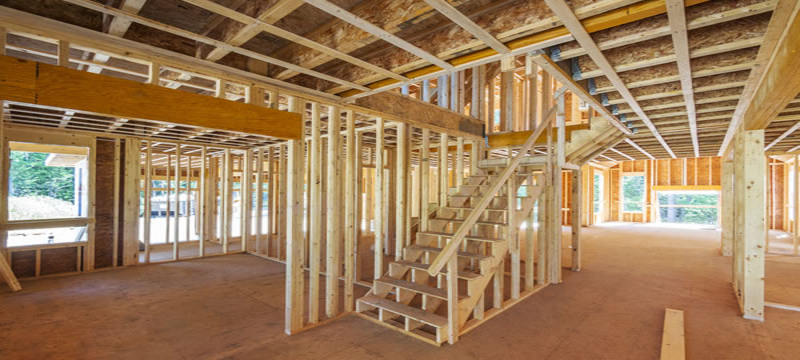
Older homes often need foundation upgrades, retrofits, or beam replacements to support the new load. Catching that during design is much easier than discovering it after demo.
- Site plan and proposed footprint reviewed against zoning rules
- Structural engineering for foundations, beams, and lateral load
- Title 24 energy compliance for the new conditioned space
- Existing-home retrofits required to support the addition
What Drives the Cost
Homeowners ask about price early, and the honest answer is that addition costs move with a handful of variables rather than a fixed rate per square foot. Knowing the variables makes bids far easier to compare.
- Location and labor — labor rates and material availability in Los Angeles push construction costs higher than in many markets, and tight site access adds crew time.
- Design complexity — custom rooflines, large openings cut into the existing house, and high-end finishes all add work.
- Structural requirements — foundation work, new beams, and tying the new roof into the existing structure are the heavy line items.
- Permits and inspections — plan check, permit fees, and required inspections belong in the budget from day one.
A detailed written bid from a licensed contractor, based on a site visit and a defined scope, is the only reliable way to price a specific addition on a specific house.
Tying the Addition into the Existing House
The difference between an addition that looks original and one that reads as tacked on comes down to integration. Matching the roofline, siding, and window style keeps the exterior coherent, and carrying trim profiles and color choices through finishes the job.
Inside, the connection matters just as much. Doorways and hallways should be placed for natural movement between old and new rooms, floor heights need to align, and natural light should reach the spaces behind the addition, not just the new room itself. Insulation and weatherproofing at the joint between old and new construction protect the work long after the crew leaves.
The yard changes too. Walkways, patios, and planting areas often need adjusting around the new footprint, and planning those changes with the addition keeps the finished property feeling deliberate.
Choosing the Right Contractor
A room addition coordinates structural, mechanical, electrical, plumbing, and finish trades on top of an existing home that the family is still living in. The licensed general contractor is the one keeping the schedule, the inspections, and the trades aligned.
Verifying credentials and reviewing similar past projects helps homeowners understand whether a contractor is set up for an addition of this scope.
- Active CSLB license verified on the state board website
- General liability and workers' compensation coverage in force
- Past additions of similar scope and size to walk through or review in photos
- A written contract with a clear scope of work and change-order process
One more question worth settling before plans are drawn: whether a single addition is the right scope at all. When several rooms need work, folding the addition into a larger project can be the smarter move — our comparison of a whole-house remodel vs a room-by-room approach walks through how to decide.