
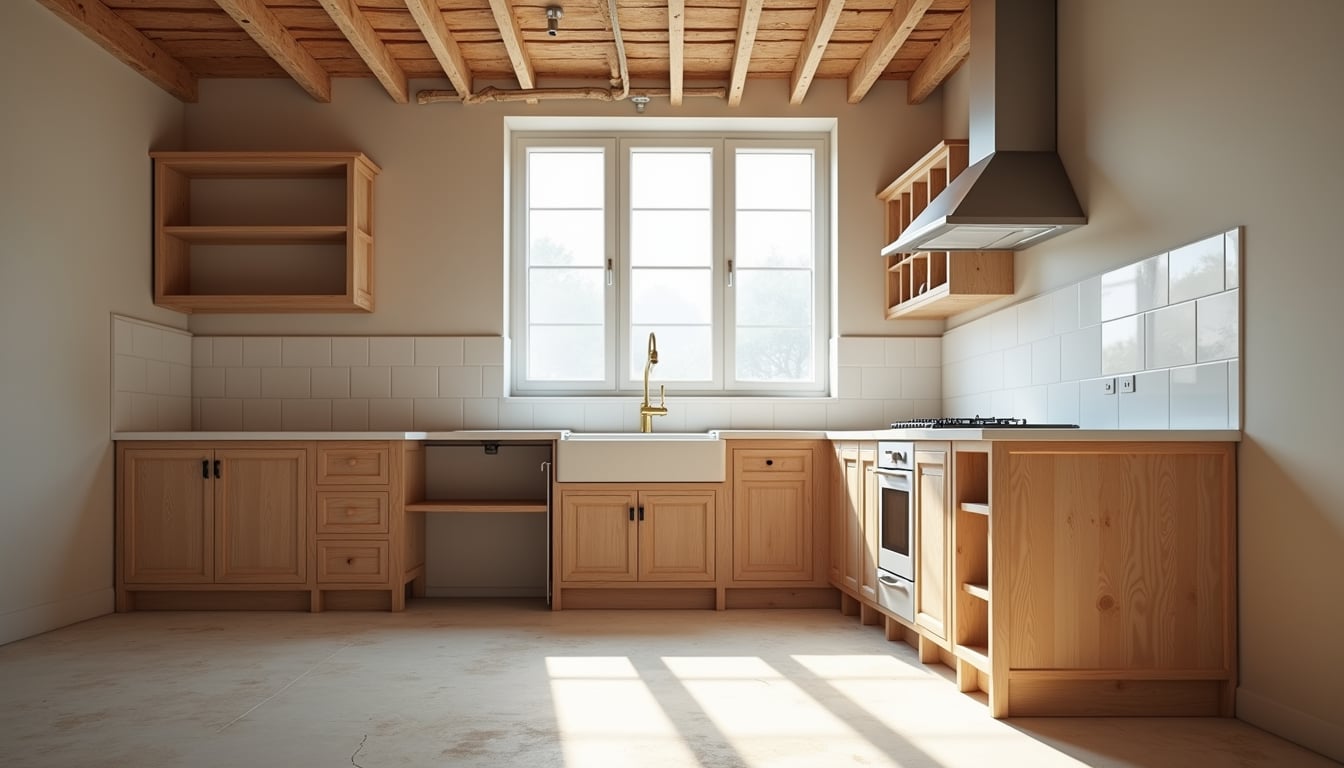
Remodeling your home can transform your living space into the dream environment you’ve always wanted. Yet, a complete home remodel, especially focusing on the kitchen and bathroom, involves more than just picking new tiles or cabinets. It requires preparation, patience, and understanding what the process entails. This guide will walk you through what to expect during a full remodel, helping you plan and stay calm throughout the changes.
Planning Your Remodel and Living Arrangements
A full remodel often means significant disruption to your daily life. Kitchens and bathrooms are essential spaces, so you need to decide early whether to stay in your home or move out during construction.
- Moving out: If the remodel is extensive, moving out temporarily can reduce stress and keep your family safe from dust, noise, and hazards. This option may add to your budget but offers peace of mind.
- Staying in stages: If you prefer to stay, consider having the work done in phases. For example, remodel one bathroom at a time or complete the kitchen in sections. This approach allows you to use parts of your home but may extend the timeline.
Discuss these options with your contractor to find the best plan for your situation.
Expect Dust, Noise, and Limited Access
Construction work creates dust and noise, which can affect your comfort and health.
- Dust control: Contractors usually set up barriers and use air scrubbers, but some dust will still spread. Keep windows closed and use air purifiers if possible.
- Noise: Power tools, hammering, and drilling are common during remodeling. Expect loud sounds during working hours, typically 8 a.m. to 5 p.m.
- Limited access: Certain rooms will be off-limits during work. Plan your daily routine around these changes, such as setting up a temporary kitchen or bathroom.
Water and Power Shutoffs Are Common
Remodeling kitchens and bathrooms often requires turning off water and electricity to install new plumbing and wiring.
- Schedule shutoffs: Your contractor should inform you in advance about planned shutoffs. These can last from a few hours to a full day.
- Prepare accordingly: Store water for drinking and cleaning, and plan meals that don’t require cooking or refrigeration during these times.
Material Delays Can Affect Your Timeline
Supply chain issues or backorders may delay delivery of cabinets, tiles, fixtures, or appliances.
- Stay flexible: Expect some changes to the schedule due to material availability.
- Communicate regularly: Keep in touch with your contractor for updates and possible alternatives.
Daily Cleanup Keeps Your Home Safer
Construction sites can become messy quickly. Most contractors perform daily cleanup to reduce hazards and dust spread.
- What to expect: Floors swept, debris removed, and tools organized at the end of each day.
- Your role: Avoid leaving personal items in work areas and keep pathways clear.
Inspections Ensure Quality and Safety
Building codes require inspections at various stages of remodeling, especially for plumbing and electrical work.
- Timing: Inspections happen after rough-in work and before walls close up.
- Impact: Inspections may cause brief delays but ensure your remodel meets safety standards.
Schedule Changes Are Normal
Unexpected issues like hidden water damage or structural problems can arise once walls or floors are opened.
- Be prepared: Your timeline may shift to address these surprises.
- Stay informed: Your contractor should explain any changes and how they affect the project.
Tips for a Smoother Remodel Experience
A complete remodel goes easier when you plan for the disruption ahead of time instead of reacting to it as it comes up. A few habits make a real difference for Los Angeles homeowners living through the process:
- Set up temporary spaces first: Arrange a simple temporary kitchen or bathroom setup before demo starts, not after. It's far easier to manage when it's already in place.
- Ask for regular updates: A quick check-in after each major milestone — framing, rough-in, inspections — keeps you informed without needing to track every detail yourself.
- Keep your paperwork together: Store your contract, permits, and any change orders in one place. It's the first thing you'll want if a question comes up later.
- Expect some give in the schedule: Treat your timeline as a guide rather than a guarantee. Homeowners who plan for some flexibility handle the inevitable surprises with less stress.
A complete remodel is a major undertaking, and some disruption along the way is normal. Clear planning and steady communication with your contractor won't eliminate that, but they make it easier to manage — and help keep the project moving toward the home you pictured.