
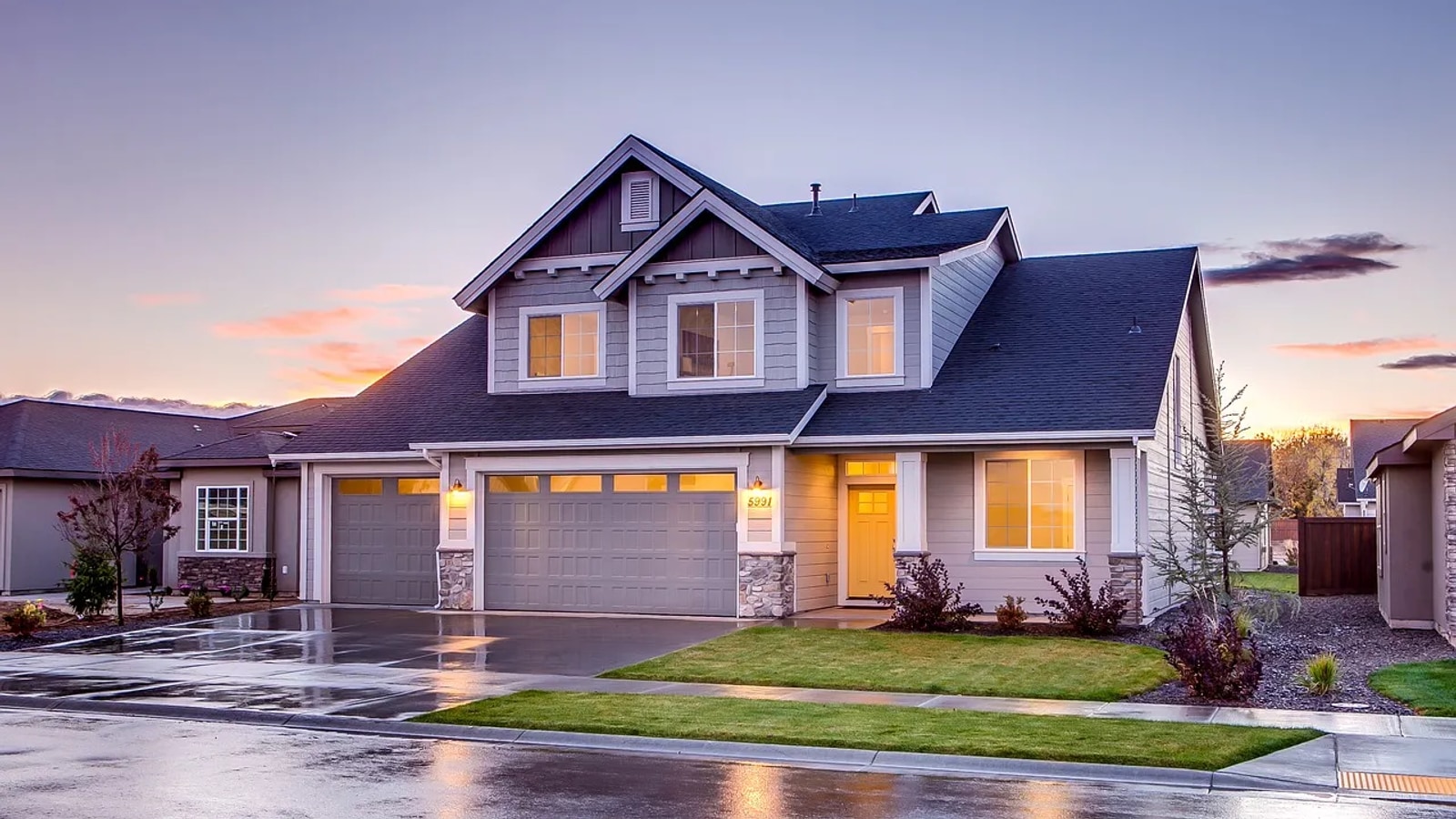
In Los Angeles, a re-roof is not just a finish job — it is a code compliance project. The Los Angeles Green Building Code sets cool roof requirements that apply to most residential re-roofs, and the materials and underlayment have to meet specific reflectance and emittance values. This post walks through what cool roof actually means on a Los Angeles home, what the Los Angeles Green Building Code calls for, and how the work is coordinated.
What a cool roof is
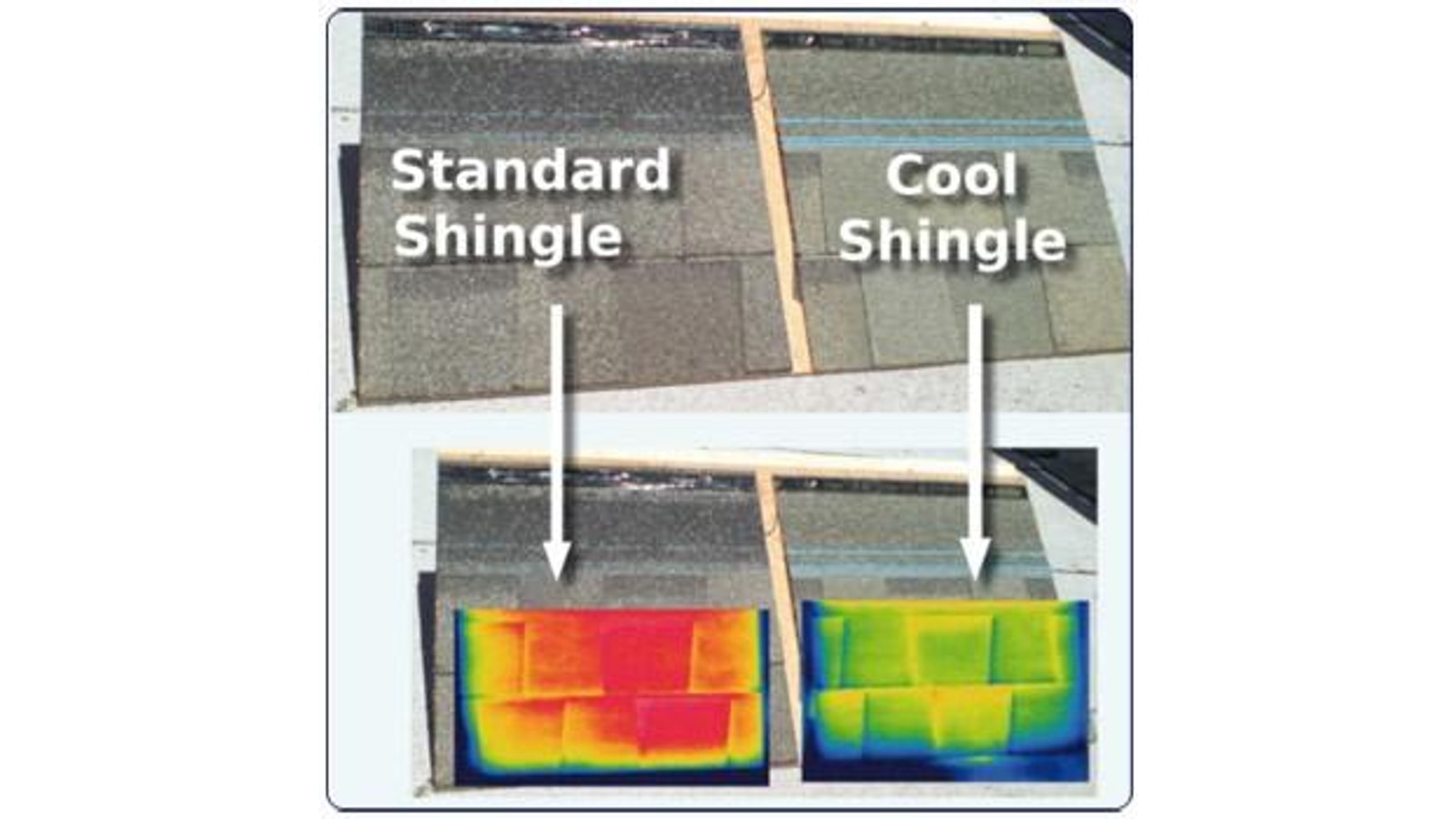
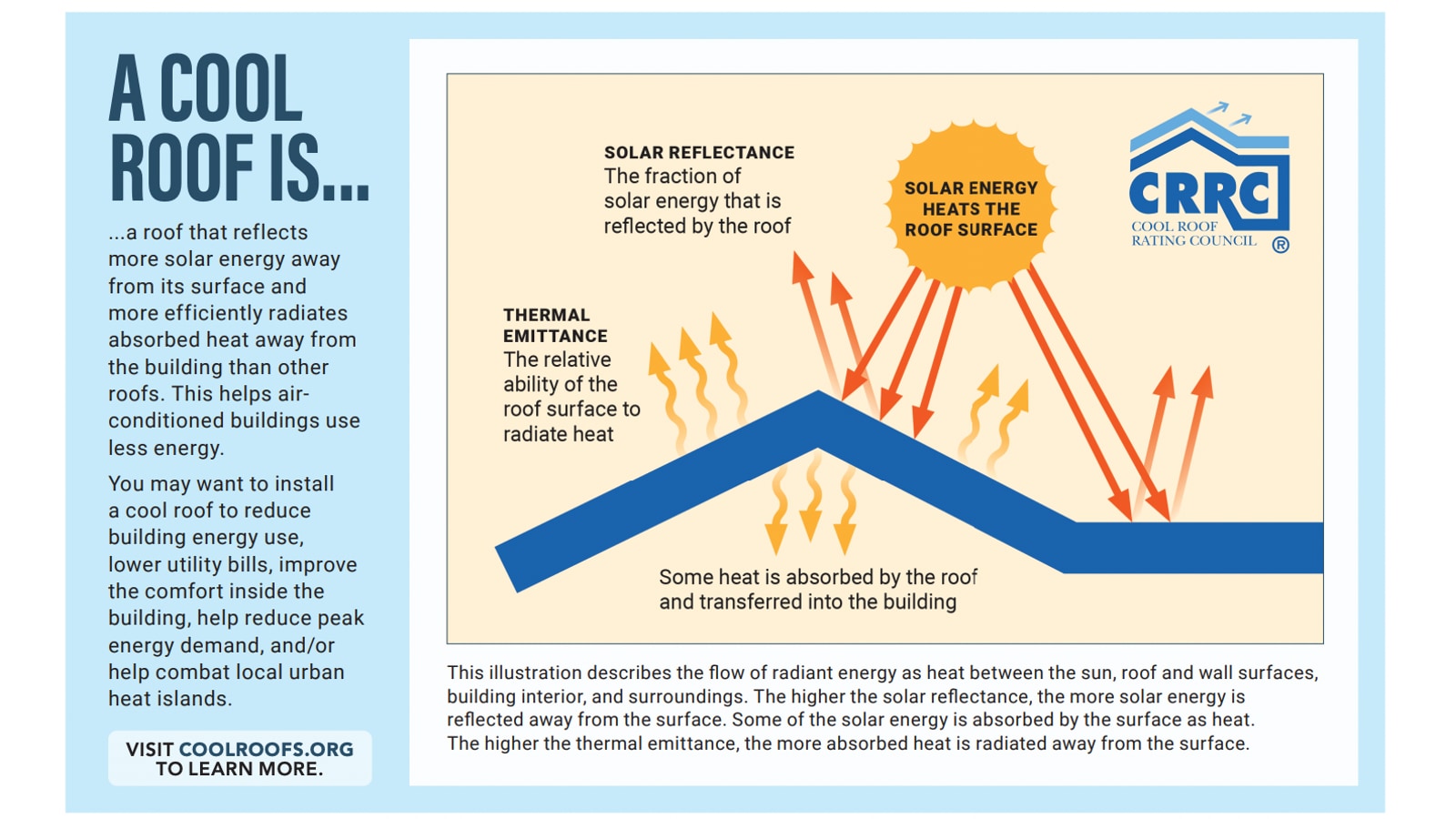
A cool roof is a roof system designed to reflect more sunlight and release more absorbed heat than a conventional roof. The performance is defined by two numbers: solar reflectance (how much sunlight bounces off) and thermal emittance (how readily the roof releases heat it does absorb). On a hot Los Angeles afternoon, the difference between a cool roof and a conventional dark roof can be tens of degrees at the roof surface, which translates into less cooling load inside the home.
Importantly, a cool roof does not have to look light or white. Modern cool-rated shingles and tiles use special pigments that reflect a large share of the sun’s near-infrared energy while still presenting a conventional gray, brown, terracotta, or charcoal appearance from the street. The product’s rated values, not its visible color, are what determine compliance.
How the Los Angeles Green Building Code applies to a re-roof
The Los Angeles Green Building Code sets prescriptive cool roof requirements based on roof type — low-slope (2:12 or less) versus steep-slope (greater than 2:12). A re-roof has to meet the minimum aged solar reflectance, thermal emittance, or Solar Reflectance Index (SRI) value set for that slope category. The contractor’s permit submittal documents which prescriptive path the project is using.
Material options that meet the requirements
Several common roofing material categories can meet the Los Angeles Green Building Code cool roof requirements:
- Cool-rated asphalt shingles in standard colors using infrared-reflective pigments.
- Cool-rated concrete or clay tile, common on Spanish and Mediterranean homes.
- Standing-seam metal roofs with cool-rated finishes.
- Single-ply low-slope membranes (TPO, PVC) for flat sections.
The product’s Cool Roof Rating Council listing is what the city looks at, not the swatch on a sample board. A familiar-looking dark architectural shingle and a cool-rated version of that same shingle can sit side by side on a sample wall and look identical — the difference shows up in the rated values and in the long-term roof surface temperature, not in the way the roof reads from the curb.
Underlayment, ventilation, and what changes underneath
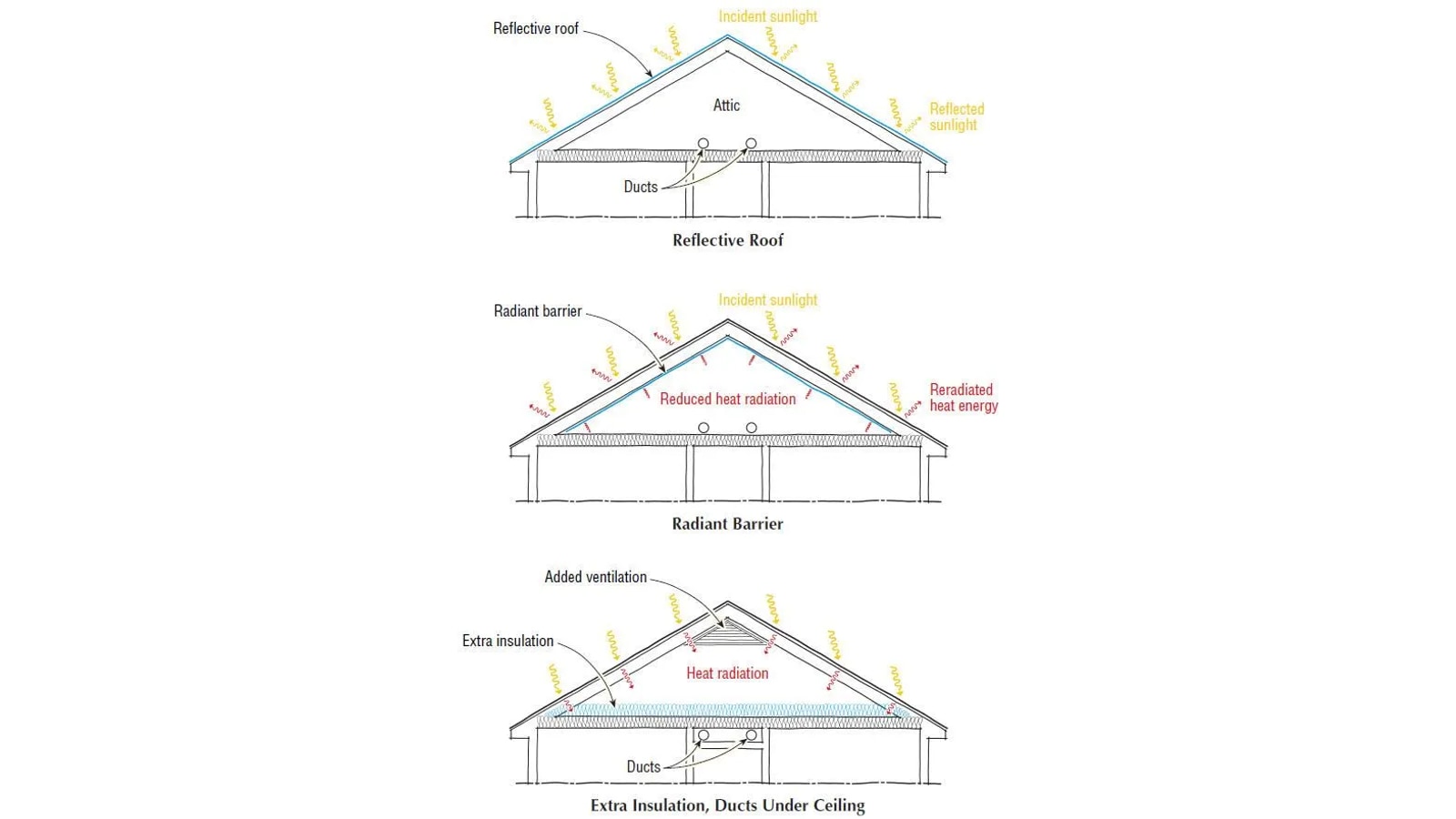
A code-compliant re-roof includes more than the visible surface. The underlayment, attic ventilation, and insulation interact with the cool roof to deliver the energy performance the code is targeting. On older Los Angeles homes, a re-roof is a good moment to look at attic insulation and ventilation while the roof is open. The contractor can identify what the existing roof has and what the current code expects, before the new roof goes on.
Coordinating with re-roof, new construction, and ADUs
On a stand-alone re-roof, the cool roof requirement is straightforward — pick a compliant product and document it on the permit. On new construction or an ADU, the roof is reviewed with the rest of the building’s plans and its energy compliance documentation. Either way, the contractor and the Title 24 consultant coordinate the roof selection so the project clears energy compliance without surprises late in plan check.
FAQ
Does every re-roof in Los Angeles need a cool roof?
Most residential re-roofs do, with some exceptions for limited-area repairs and certain steep-slope conditions. The contractor confirms the specific path on the permit application based on the home’s climate zone, roof slope, and existing conditions.
Can I keep the look of my dark Spanish tile and still comply?
Yes, in most cases. Several manufacturers make cool-rated tile in colors that read as traditional Spanish or Mediterranean — including darker terracotta and charcoal tones. The product’s rated values determine compliance, not the visual color.
Does a cool roof actually reduce my cooling cost?
A cool roof reduces the roof surface temperature on hot afternoons, which lowers heat transfer into the attic and into the conditioned space. The actual reduction in cooling load depends on the home’s insulation, ventilation, ductwork, and HVAC system. The code is intended to capture that benefit at the building level.
What about flat-roof additions and ADUs?
Low-slope and flat-roof areas have their own Los Angeles Green Building Code cool roof thresholds (minimum 3-year aged solar reflectance of 0.65, minimum thermal emittance of 0.85, or SRI of 78). Single-ply membranes in cool-rated colors are the common solution. The ADU energy compliance documents will show which product was used and what its rated values are.