
A roof in Los Angeles is easy to ignore until it fails, and by then the choices narrow fast. Planning ahead — knowing the material options, what an inspection actually checks, and how permits and energy code shape the work — puts homeowners in a much stronger position when the roof finally asks for attention. This guide covers what to think through before calling a roofing contractor in Los Angeles, whether the project is a repair, a full replacement, or part of a bigger remodel.
Common Roofing Materials in Los Angeles
Roofs in Los Angeles get steady sun, occasional heavy rain, and the rest of California's coastal-to-foothill weather mix. The right material depends on the home's style, the existing structure, and how long the homeowner plans to stay in the house.
Each material has its own profile for weight, life expectancy, and the kind of underlayment and flashing it needs to perform.
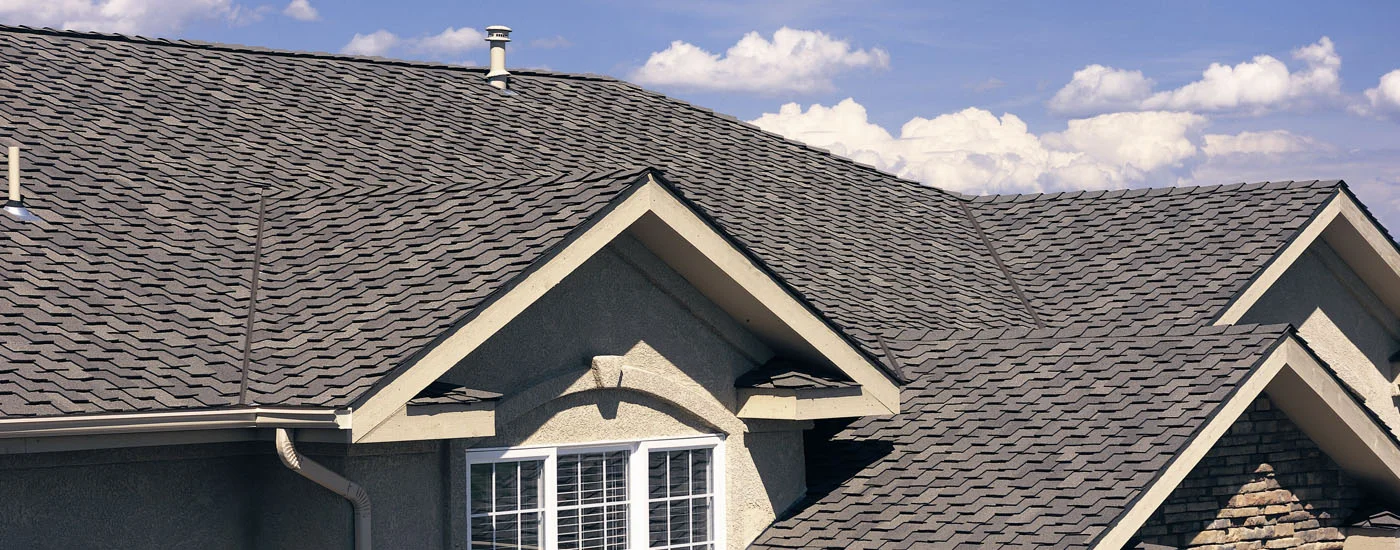
- Asphalt shingles for most pitched residential roofs
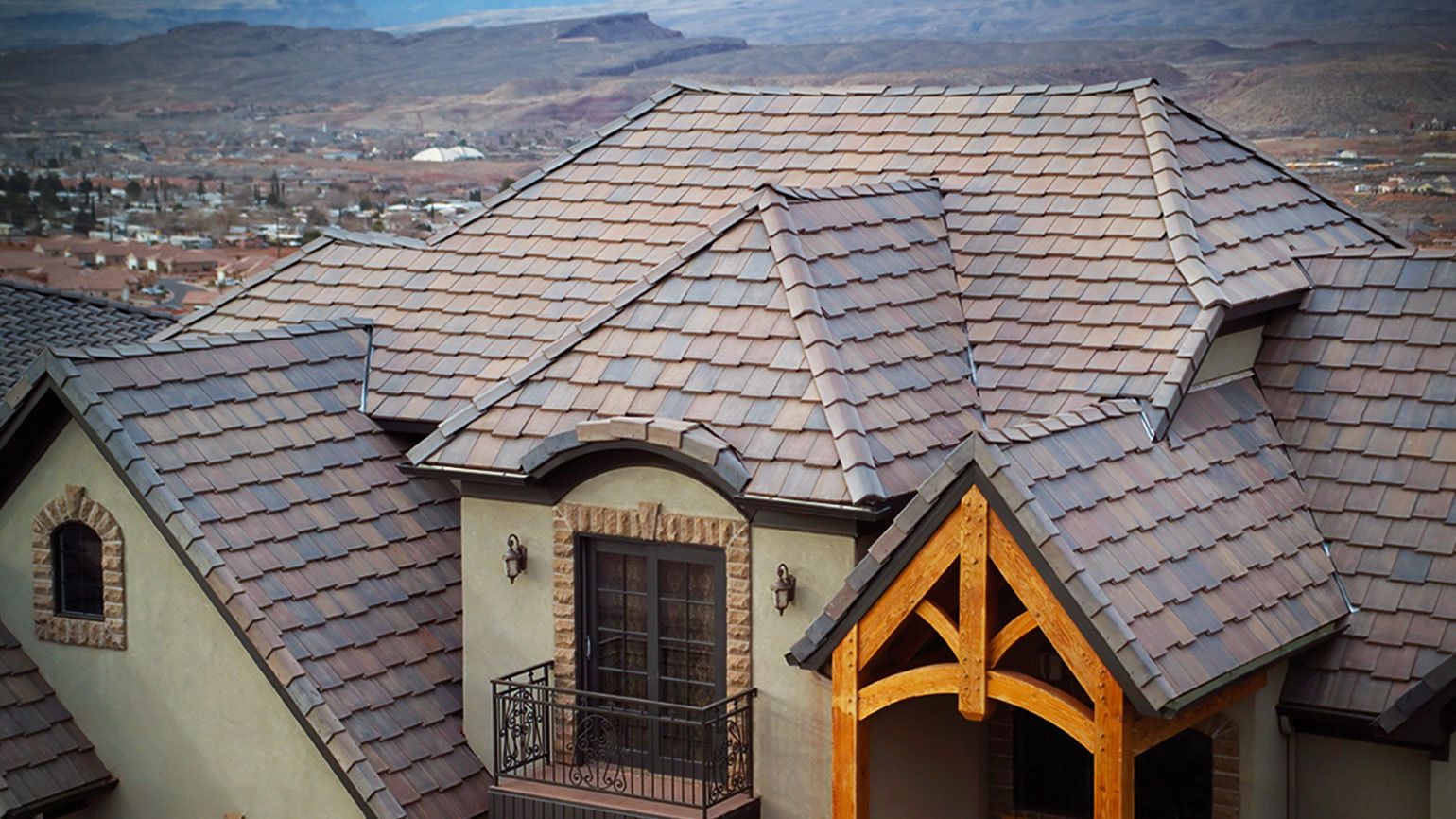
- Concrete or clay tile common on Spanish, Mediterranean, and Tuscan-style homes
- Metal roofing for modern designs and certain hillside conditions
- Flat or low-slope membranes over additions, garages, and modern flat-roofed homes
Weight deserves special attention with tile. Concrete and clay are far heavier than shingle, so the framing has to be rated for the load, and tile installations take longer because of the detail work at ridges and valleys. Appearance, lifespan, and cost round out the trade-offs worth walking through with the contractor at the inspection.
One more wrinkle specific to California: most of these materials now come in cool-rated versions that reflect more of the sun's heat while keeping conventional colors. That matters because Los Angeles's Green Building Code requires them on most residential re-roofs — more on that below.
What a Roof Inspection Looks At
A roof is a system, not just the surface layer. The deck, underlayment, flashing, vents, and edges all work together, and a leak almost always traces back to one of those connection points rather than the field of the roof.
A proper inspection checks all of those points, not just visible damage from the ground. On Los Angeles homes that means looking for missing or cracked shingles, cracked or slipped tiles, worn flashing around vents and chimneys, sagging or rotted decking, clogged drainage on flat sections, and the sun and wind damage this climate produces over time.
The findings point to one of three outcomes:
- Targeted repair of localized damage or wind-driven leaks — often the right call when the decking is sound and the problem is a few shingles, a cracked tile field, or a failed flashing detail
- Partial reroof when only a section has reached the end of its life
- Full replacement when the deck or underlayment is widely compromised or the roof is at the end of its service life
Permits, Cool Roof Compliance, and Timing
Full roof replacements in Los Angeles generally require a permit, and structural repairs can as well. Whether a targeted repair needs its own permit — often as a simplified LADBS Express Permit rather than a full plan check — should be confirmed before work begins rather than assumed. The permit process runs from submission through a final city inspection, and a contractor who handles it start to finish saves the homeowner the back-and-forth with the city.
Los Angeles's Cool Roof Ordinance — part of the city's Green Building Code — adds a layer most homeowners don't expect: cool roof requirements apply to most residential re-roofs. The materials have to meet specific solar reflectance and thermal emittance values, and the product's rated listing — not its visible color — is what the city checks. Cool-rated shingles and tiles are made in conventional grays, browns, terracottas, and charcoals, so meeting the code rarely means changing the look of the house. Our guide to cool roofs and Green Building Code compliance in Los Angeles covers the requirements in detail.
Timing is more forgiving than most people fear. Once tear-off begins, most residential roof replacements finish within one to three days depending on size, pitch, and material, with tile running longer than shingle. The roof-open window is also the practical moment to look at attic insulation and ventilation, since both interact with the roof system and are far cheaper to address while the deck is exposed.
When Roofing Joins a Larger Remodel
Roofing often shows up inside a bigger project rather than on its own. New framing on a home addition or an ADU has to tie cleanly into the existing or replacement roof lines, and having one contractor coordinate both the structure and the roofing keeps the flashing details consistent and the schedule coordinated.
A re-roof is also the natural time to add or replace a skylight. The flashing has to be woven into the roofing material course by course, and the detail differs between shingle and tile roofs — both are simpler to get right while the roof is already open than as a separate cut later.
Either way, the sequencing question belongs in the planning conversation: if a remodel or addition is on the horizon within a few years, it may change what the roof needs today.
Working with a Licensed Contractor
Roofing work involves heights, structural detail, and a long warranty period. Choosing a licensed contractor with the right insurance protects both the homeowner and the home itself if something goes wrong on the job.
Verifying credentials and reading the proposed scope carefully helps homeowners spot the difference between a real plan and a quick visit with a number on it.
- Active CSLB license, including the C-39 roofing classification when applicable
- General liability and workers' compensation coverage in force
- A written scope listing materials, underlayment, flashing, and disposal
- Manufacturer documentation for warranty registration after the work
Here is how Hillstar handles it: Hillstar Construction Inc holds a Class B general building licence (CSLB #972213) and contracts the project as your general contractor, and the roofing itself is installed by an appropriately licensed roofing subcontractor working under that contract. That is what California licensing law expects — a general building contractor either holds the specialty classification or subcontracts that work to a contractor who does.