
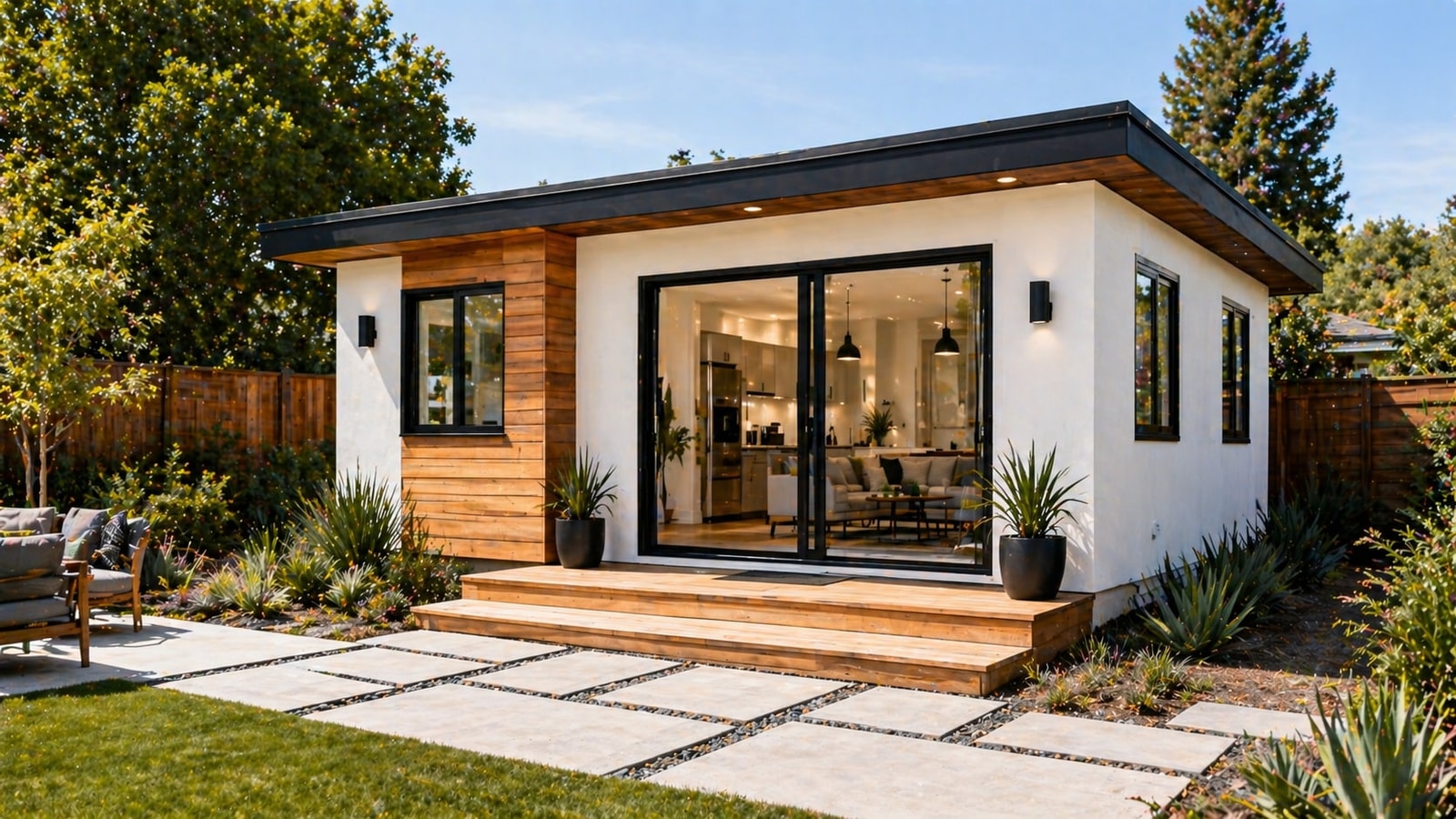
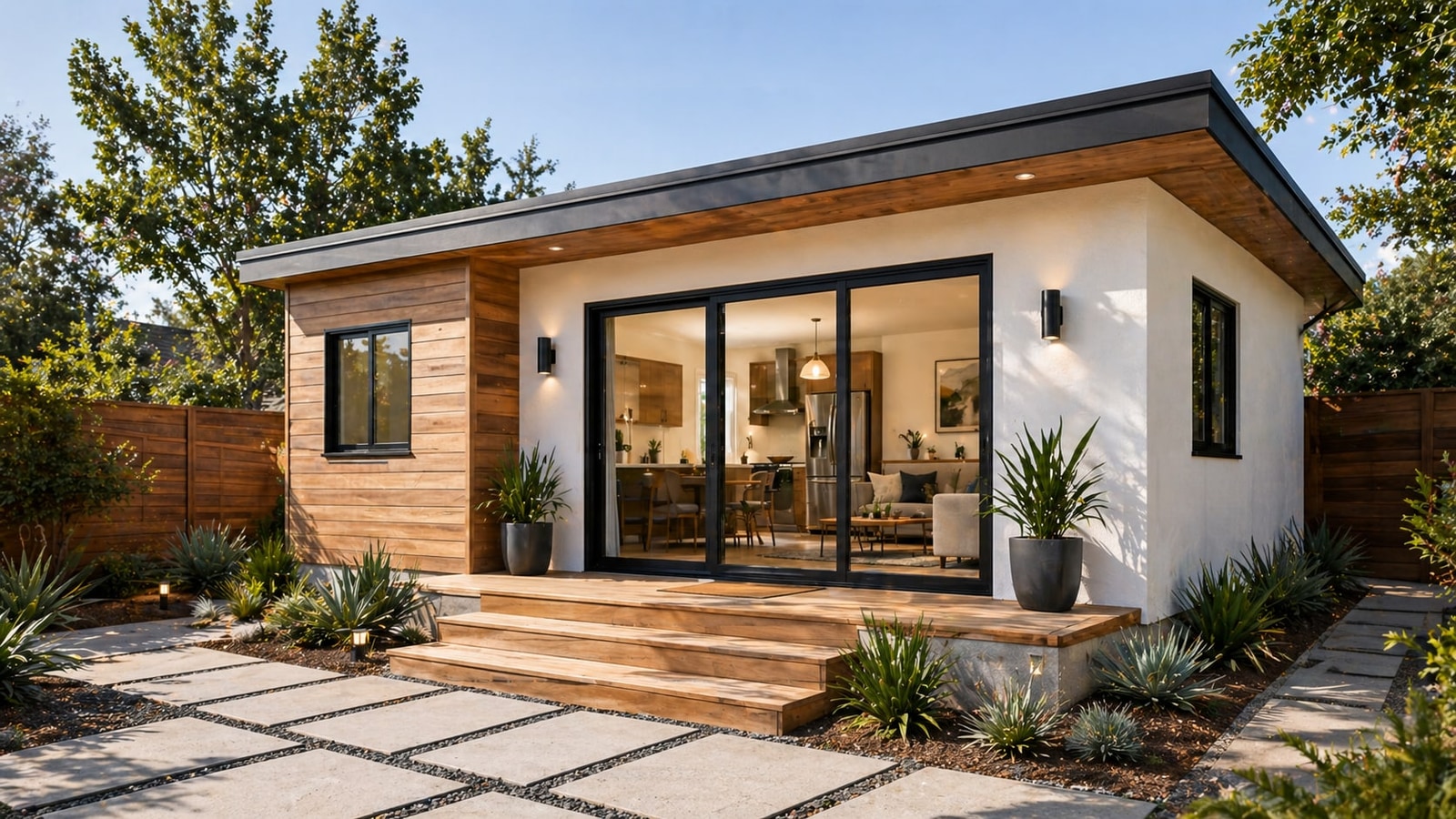
A lot of Los Angeles homeowners want more useful space at home but do not need — or do not want — a full second dwelling unit on the property. A backyard studio or office conversion can be the right answer when the goal is a quiet workspace, a creative studio, a workout room, or a guest space, without the scope and review that comes with a full ADU. This post walks through when a non-habitable accessory structure is enough, and when the ADU path is a better fit.
Habitable ADU vs non-habitable accessory structure
A full ADU is a habitable dwelling unit with a kitchen, a bathroom, and the structural and energy compliance that comes with permanent living space. A non-habitable accessory structure — sometimes called a backyard office, studio, or workshop — is intended for periodic use, not full-time living. The line matters because the two are permitted differently and the construction scope is different.
A non-habitable backyard office can still be insulated, have power and network, and have heating and cooling. What it does not have is a kitchen, full bathroom plumbing, or sleeping quarters intended for permanent occupancy. That single distinction changes the permit path.
When a backyard office is enough
A backyard studio or office is the right call when the homeowner needs:
- A quiet workspace separated from the main house.
- A creative studio for art, music, photography, or recording.
- A workout room or yoga space.
- A guest hangout or family retreat — used during the day, not slept in nightly.
For these uses, the simpler scope, faster permit path, and lower coordination overhead make a non-habitable structure attractive.
When the ADU path is the right call
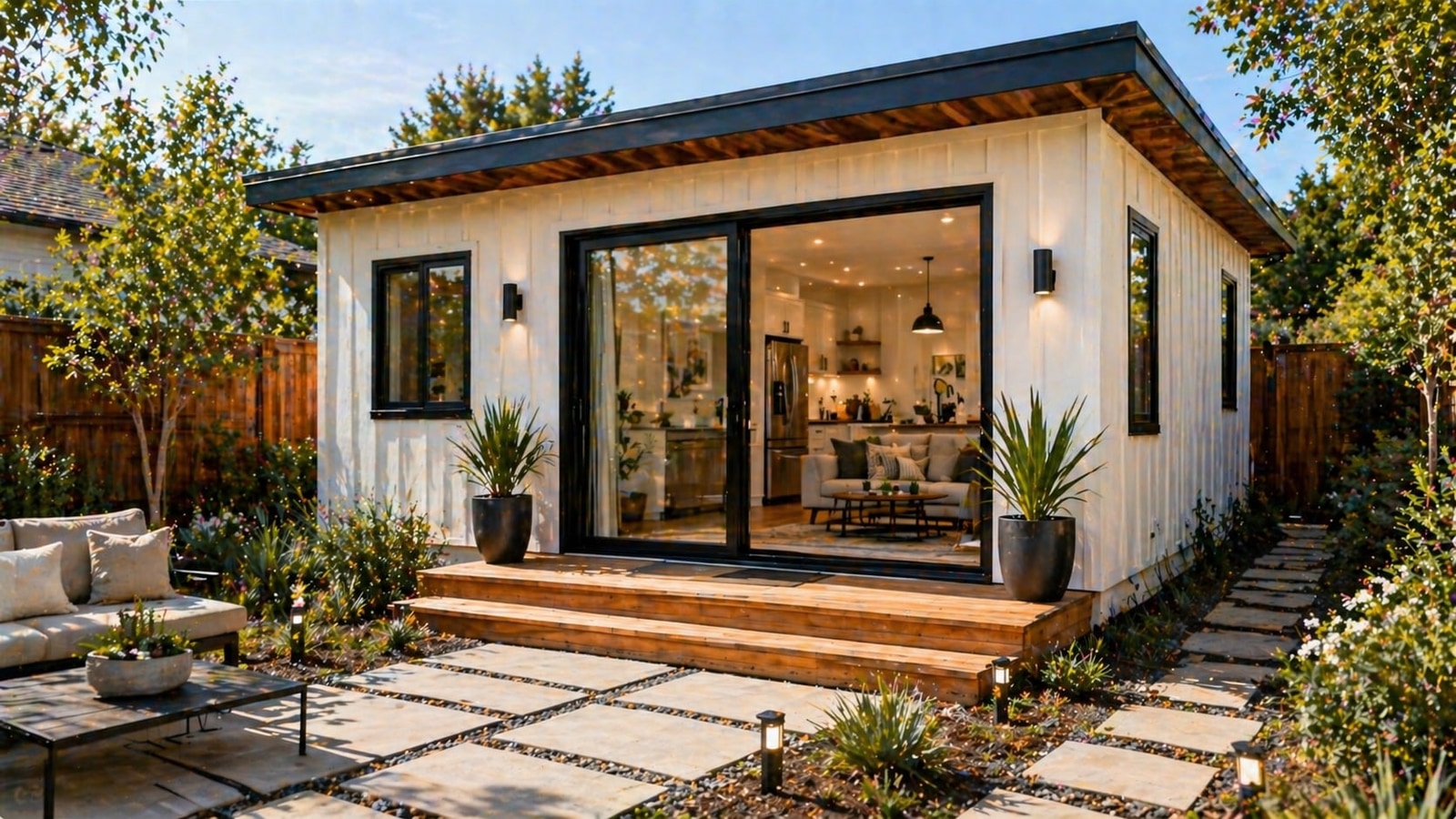
If the long-term plan includes a rental, a self-contained guest unit with overnight stays, an in-law suite, or a future revenue stream, the ADU path is worth the extra coordination. An ADU comes with its own kitchen, bathroom, separate utility connections (or planned subpanels), and a permit set that documents the unit as a permanent dwelling. A non-habitable structure cannot be retroactively turned into an ADU without a new permit set covering the full habitable scope.
Permit considerations and lot rules
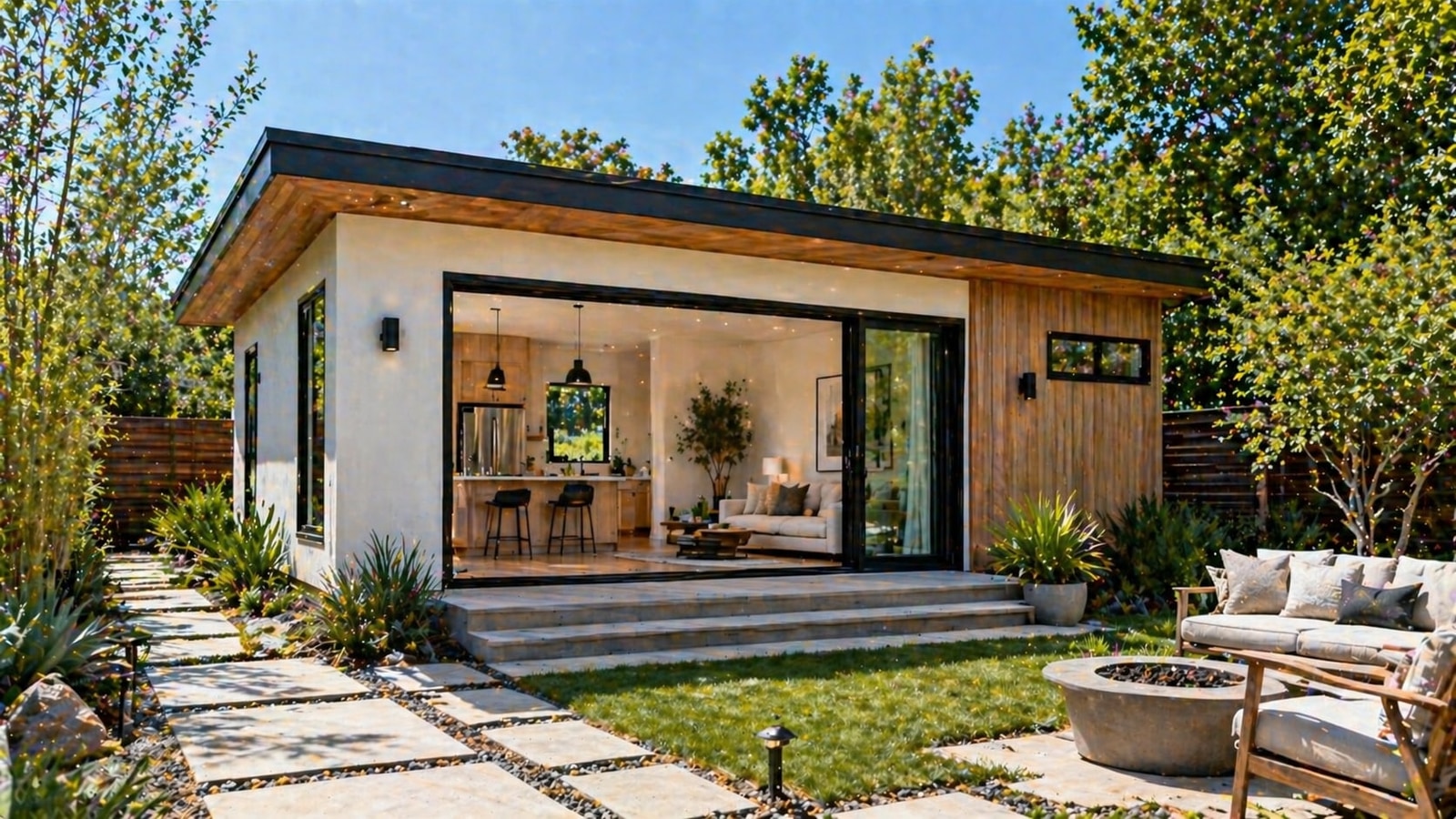
Even non-habitable accessory structures have setback, height, lot coverage, and electrical permit requirements in Los Angeles. The contractor walks the lot, checks the existing rear yard coverage, and confirms what fits inside the rules. On hillside lots and in HPOZ areas, additional review may apply. None of this should be a surprise — a contractor familiar with Los Angeles backyard projects names these constraints up front.
Power, network, and climate control
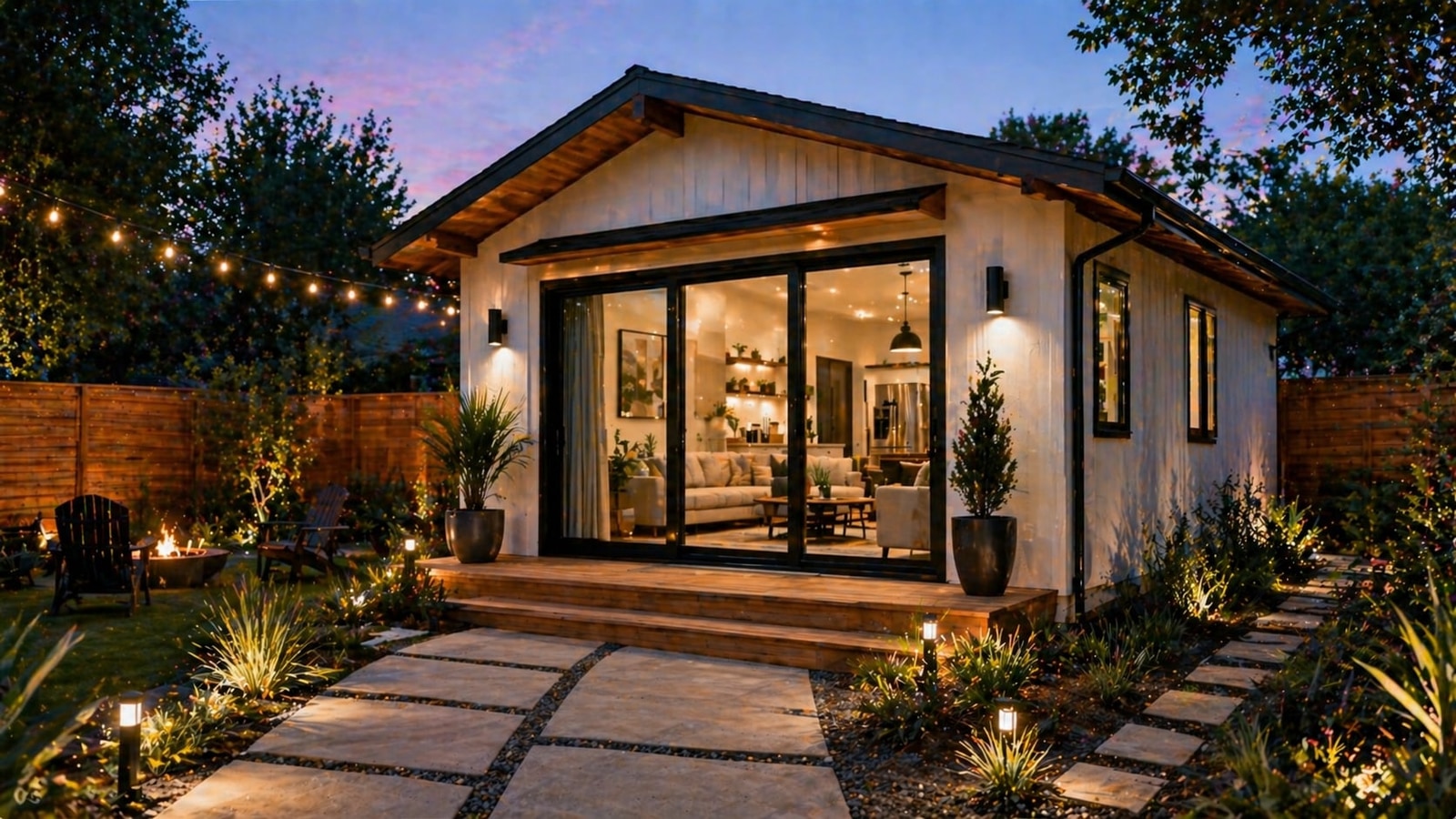
A backyard office that is going to actually get used needs the basics:
- A subpanel or dedicated circuits sized for the intended equipment.
- Network — either a hard-wired run from the main house or a strong mesh extender.
- A small mini-split system or equivalent for heat and air conditioning, sized to the actual room volume and orientation.
- Insulation in walls, ceiling, and underfloor at a level appropriate for daily use.
The cost of skipping any of these shows up after the structure is built — a beautiful studio that is too hot in summer, has no internet, or trips a breaker every time the laser printer warms up.
Insulation and finish quality
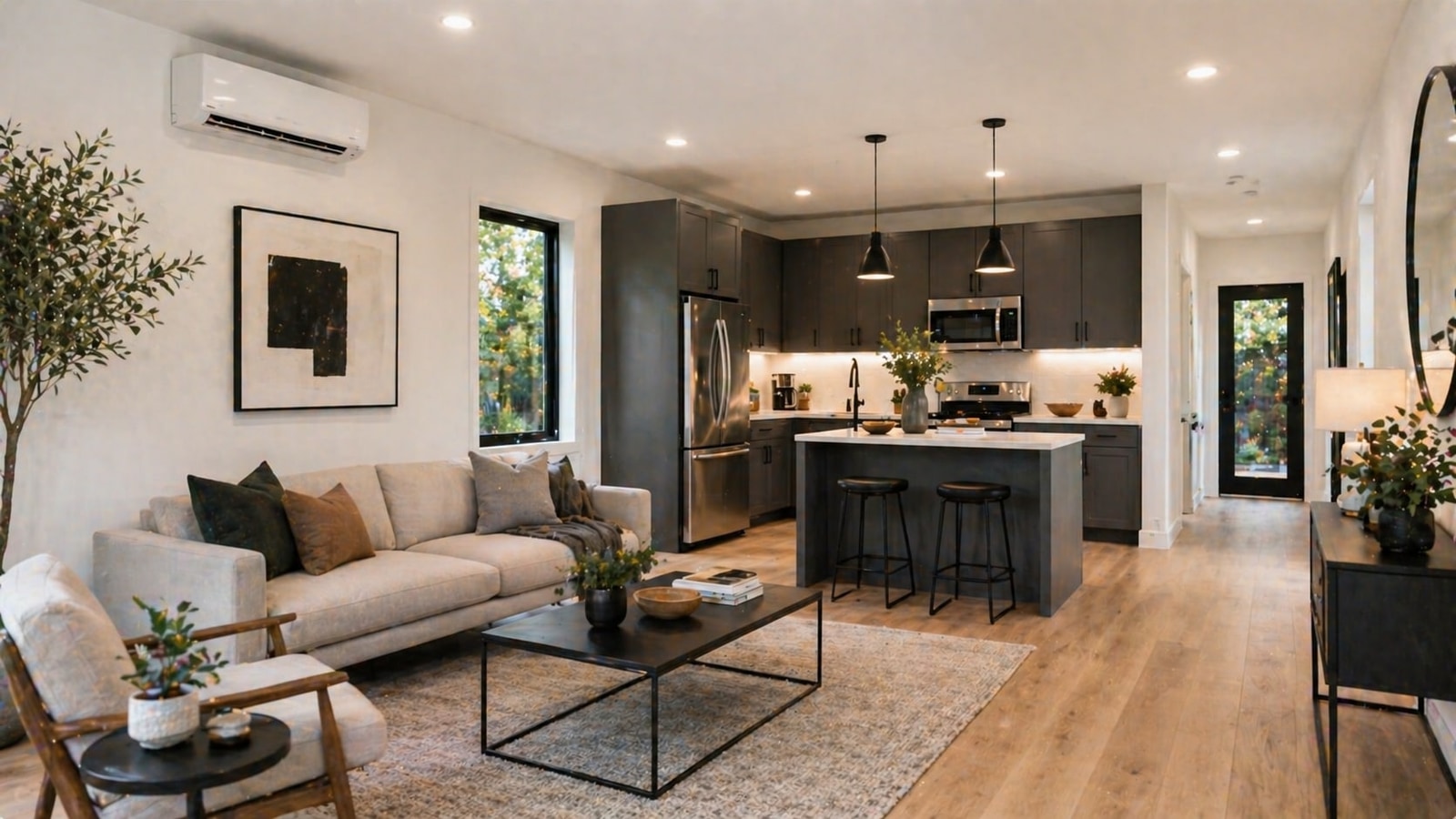
A backyard office is a small structure, which means every detail is visible. Trim joints, drywall corners, baseboard returns, and ceiling transitions all read at close range. The finish quality of a small space is usually held to a higher standard than the same trim work in a large room — there is nowhere for a sloppy joint to hide.
FAQ
Can I sleep overnight in a backyard office?
A non-habitable accessory structure is meant for daytime and occasional use, not for sleeping quarters. If the plan is a guest suite meant for nightly stays, that is the ADU path, and it should be permitted that way. Occasional informal use is one thing; building it as a guest suite intended for nightly stays is the ADU path, and it should be permitted that way.
Can I add a bathroom later?
Adding plumbing later turns a non-habitable structure into a different permit category. The cleanest path is to decide up front whether the project is non-habitable or an ADU, and permit it that way. A future change of use is its own permit project.
How big can a backyard studio be?
Size limits depend on the lot’s setbacks, the rear yard coverage rules, and the height limits in the zoning code. The contractor confirms the maximum buildable footprint on the specific lot before design begins.
Do I still need a permit for a small backyard structure?
Most habitable-quality structures with electrical, mechanical, or interior finish work require a permit in Los Angeles. The contractor confirms which permits are needed for the specific scope.