Licensed vs Unlicensed Contractor for a Complete Remodel in Los Angeles
A licensed contractor in Los Angeles holds an active CSLB number, carries workers' compensation and general liability insurance, and can pull permits through LADBS. An unlicensed individual cannot legally contract for work over California's minor-work licensing threshold, cannot pull permits, and leaves the homeowner exposed to liability if someone is injured on the property. For a complete remodel—which always requires permits—the contractor's license status determines whether the project can proceed legally.

What Does 'Licensed' Actually Mean in Los Angeles?
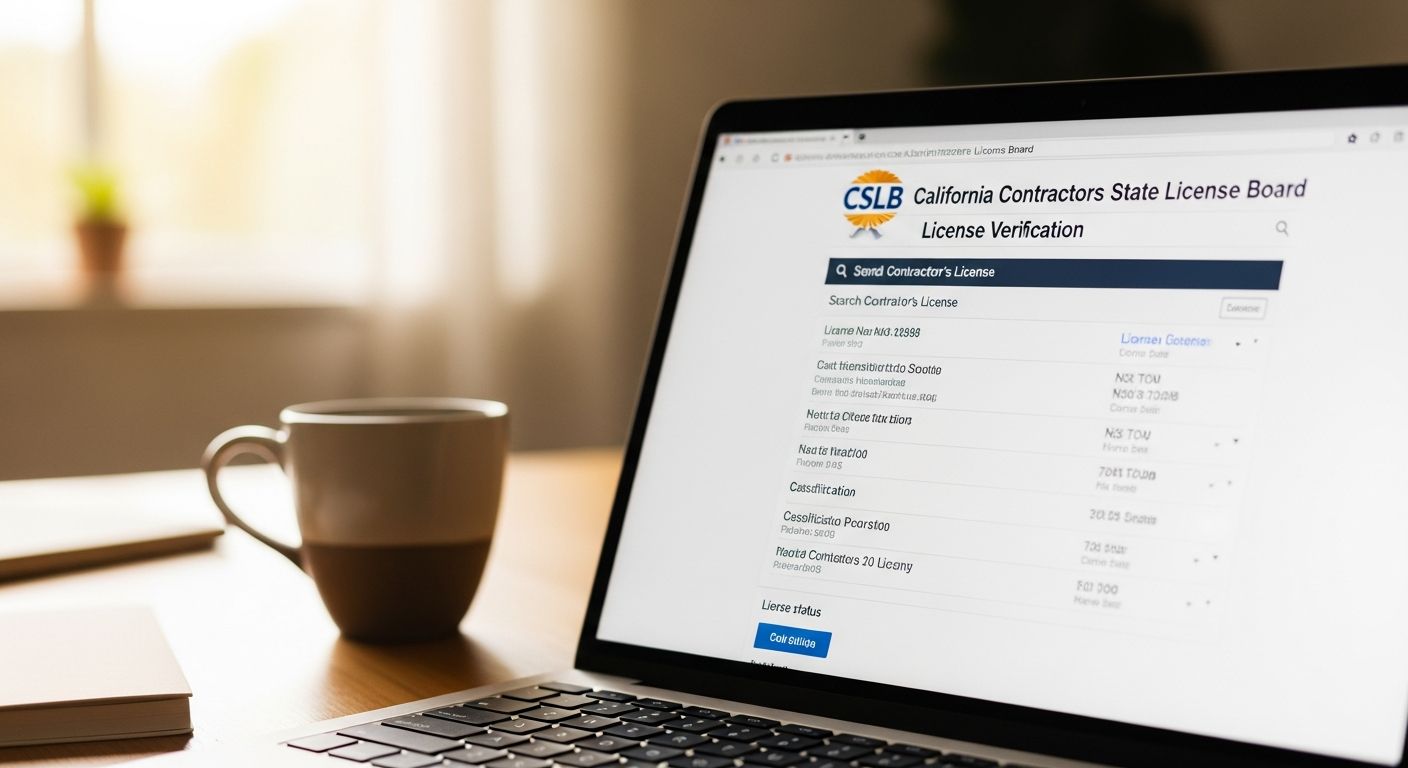
A licensed contractor holds an active California Contractors State License Board number—Class B General Building or a specialty classification—has passed the law-and-trade exam, maintains a surety bond, and carries workers' compensation insurance if they employ anyone. The license is public record; verify it on the CSLB's Check a License tool by entering the number. Hillstar Construction Inc is licensed with the CSLB — look our number up there before signing anything.
An unlicensed individual may call themselves a handyman, builder, or remodeler, but cannot legally contract for work above California's minor-work threshold — which the CSLB raised effective January 1, 2025 — and cannot pull permits through LADBS. That exemption only applies when the job needs no building permit and uses no employee labor, which rules out essentially every remodel. The distinction matters most on structural, mechanical, or electrical work, all of which require plan check and inspection — and every complete remodel involves at least one of those trades.
Why Does LADBS Require a Licensed Contractor for Permit Work?
LADBS will not issue a building permit to an unlicensed contractor, because state law prohibits it and the city needs a responsible, accountable party. The application asks for the license number.
A homeowner who hires an unlicensed person and pulls the permit as owner-builder becomes the general contractor in the city's eyes, responsible for supervising subcontractors and correcting deficiencies. Most homeowners lack the time for that, and the usual result is a stalled permit, failed inspections, or unpermitted work that creates a title cloud at sale. We walk through that trade-off in detail in our guide to hiring a general contractor versus going owner-builder.
What Are the Real Risks of Hiring Unlicensed for a Complete Remodel?
The immediate risk is liability: if an unlicensed worker is injured on your property without workers' comp coverage, your homeowner's policy may deny the claim and you become personally liable for medical bills and lost wages. The second risk is code compliance—unlicensed individuals carry no surety bond and typically no general liability insurance, so undersized framing, an overloaded panel, or non-code plumbing comes out of your pocket to correct before the city signs off.
The third risk is financial. Under Business and Professions Code section 7031, a homeowner may be able to recover what they paid an unlicensed contractor—but that means chasing someone who may have no assets and won't respond to a judgment, so treat it as a question for a lawyer, not a guarantee. A licensed contractor's bond exists to avoid that chase: the surety pays the claim, then pursues the contractor for reimbursement.
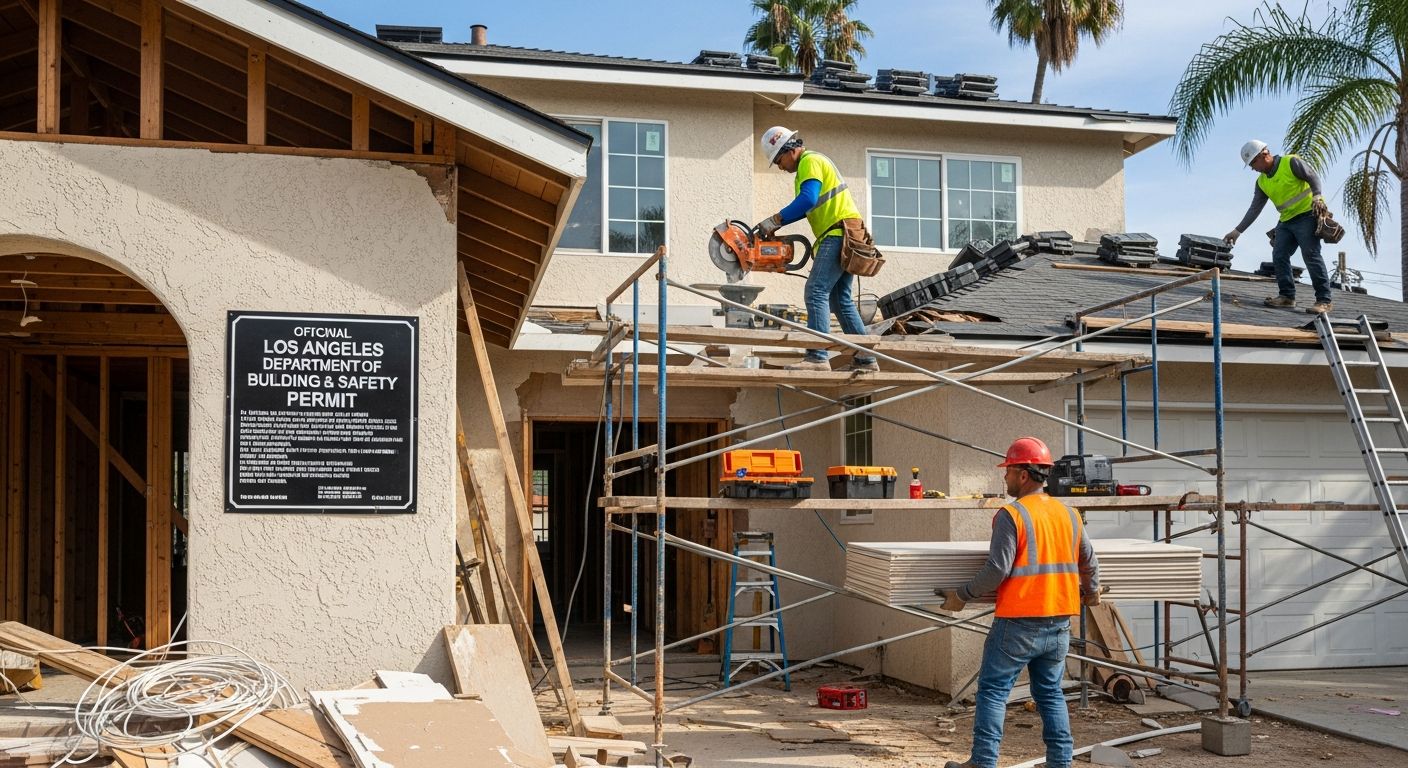
For home remodeling involving structural, electrical, or plumbing changes, the city won't sign off the final inspection until the work passes. Unlicensed work without a valid permit may require walls opened for inspection, work brought to code, and a new permit filed retroactively.
What Do Homeowners Miss When Checking a License?
The most common mistake is accepting a verbal assurance of licensing without checking the CSLB number, since some unlicensed individuals give a number belonging to someone else or one that expired years ago. Verification takes under a minute on the CSLB license lookup.
The second mistake is assuming a lower bid means the same scope. Unlicensed bids run lower because they skip insurance, workers' comp, and permits—savings that vanish the first time something goes wrong. Comparing bids means comparing total compliant-project cost, not just labor rate. Our post on the warning signs of the wrong general contractor covers what a low bid usually hides.
- Verify the CSLB number on the CSLB website before signing any contract.
- Confirm that the name on the license matches the name on the contract.
- Check the bond amount and the surety company name against the CSLB record.
What Should the Contract Include?
The contract needs the CSLB license number, business name and address, and a scope of work matching the permit application. It should state that the contractor—not the homeowner—pulls permits, tie payment to inspection milestones, and include California's required right-to-cancel notice — three business days for most homeowners, and five for buyers aged 65 and older.
It should also specify that a design change during plan check—moving a beam, upsizing a panel—gets a written change order first. For kitchen remodeling or bathroom remodeling plumbing relocation, state who coordinates the LADWP meter inspection; for additions, who handles the soils report and Title 24 documentation.

How Does LADBS Enforce Unlicensed Contracting?
LADBS doesn't patrol for unlicensed work. CSLB investigates complaints and can issue citations, but it cannot force an unlicensed person to finish the job or refund money—there's no bond to claim against, which is why a licensed contractor's bond is the homeowner's real recovery mechanism if a job is abandoned.
Do Specialty Trades Need Their Own License?
Yes. California requires separate licenses for electrical (C-10), plumbing (C-36), HVAC (C-20), and other specialty trades. A Class B general can supervise those trades and pull permits, but the people doing the work need the specialty license or supervision by someone who holds it. Part of what you pay a licensed general for is their network of licensed subs and the coordination of inspections across trades.
What If Prior Work Was Done Without Permits?
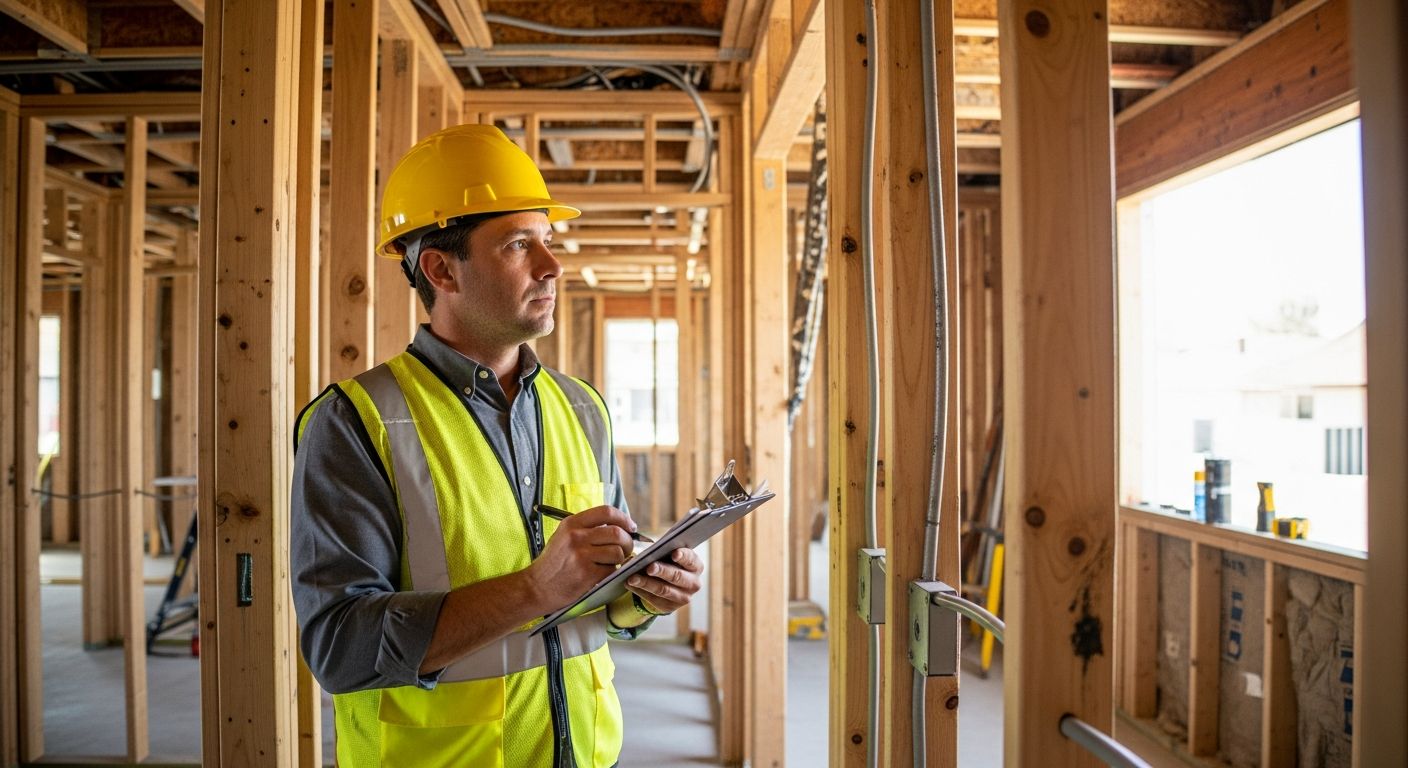
When a contractor walks an older home in Encino or Sherman Oaks and finds alterations missing from the permit history—a converted garage, a relocated kitchen—the question is whether the city requires it brought into compliance before permitting the new work.
The safest approach is disclosing prior work at the pre-application meeting and asking the plan checker directly. The city may allow an after-the-fact permit, which typically means opening walls for inspection and paying an investigation fee on top of the normal permit cost, or it may require removal or rebuild to current code; either way, that cost is separate from the new remodel and should be broken out in the contract.
How Do You Verify Insurance and Bond Before Signing?
Ask for a certificate of insurance covering general liability and workers' comp, then call the carrier to confirm coverage is active. If the contractor can't produce a certificate, or the policy has lapsed, don't sign.
- Check the CSLB record for the bond amount and surety company, then call the surety — the CSLB listing does not tell you whether the bond is currently active.
- Verify that workers' comp is in place if the contractor employs anyone—your homeowner's policy will not cover an uninsured worker's injury.
What Questions Should You Ask During the Walkthrough?
Ask how they'll handle permits, who coordinates plan-check revisions, and what happens if an inspector requires an out-of-scope change. Ask about dust control if you're living in the house, ask for references from recent Los Angeles projects, and ask whether payment is tied to inspection milestones.
FAQ
Can an unlicensed contractor pull a permit in Los Angeles?
No. When a contractor pulls the permit, LADBS requires a valid CSLB license number. An unlicensed individual cannot legally pull a permit as a contractor or act as the general contractor on a project that requires one. The one exception is the owner-builder permit, which the homeowner pulls in their own name, making them the responsible party for the whole job.
What happens if I hire an unlicensed person and they get hurt on my property?
If the person does not carry workers' compensation insurance, your homeowner's policy may deny the claim and you become personally liable for medical bills and lost wages. A licensed contractor is required to carry workers' comp if they employ anyone, which protects you from that liability.
How do I verify a contractor's license before signing a contract?
Go to cslb.ca.gov, enter the license number, and confirm that the name matches the contract and that the status is active. The site also shows the bond amount, any disciplinary actions, and the license classification.
What should I do if I discover prior work on my home was done outside the permitted scope?
Disclose it to the contractor during the walkthrough and ask them to raise it with LADBS during the pre-application meeting. The city may require an after-the-fact permit or may ask for the work to be brought to current code before issuing a permit for the new remodel.